Tag Archives: photography

Kiwis, Tuataras and Sand-fly’s

Day 28 Nov 23 2024

We spent the night at the Franz Joseph Campervan Park, which is very centrally situated, but rather cramped. Still it provided everything we needed. Power, water and WiFi were included, and the showers and toilets worked and were clean. It was a short walk to restaurants, bars and a supermarket, so we had everything we needed. The only minus was the position of the dump station. If you wanted to use it you blocked any one else from entering or leaving the site.

The weather had cleared, compared to yesterday, but there was still some cloud around. The helicopters were flying. We debated whether or not to take a flight to the glacier. We decided in the end not to. Instead we visited the West Coast Wildlife Centre.

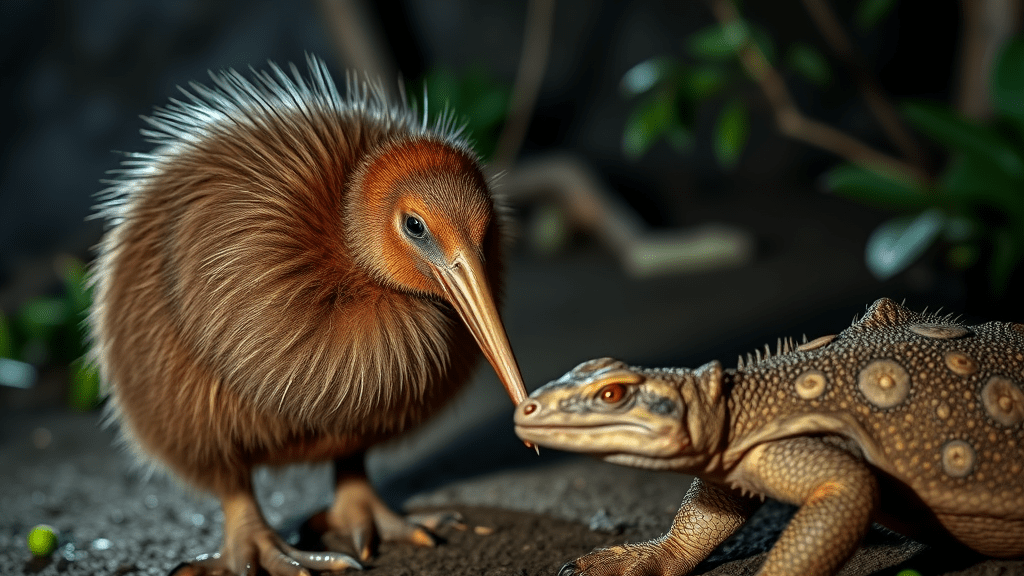
They have a breeding program for Kiwis and Tuataras. While it is possible to see Kiwis in the wild, it is not that easy. They are nocturnal, and you also have to know where to look for them. We decided that our best chance of seeing a live Kiwi was in the breeding centre. We have no photos of Kiwis, because trying to take a photo would disturb them.

The Kiwis are kept in an environment that tries to replicate their natural surroundings. Because they are nocturnal day and night are reversed, so that they are active during the centre’s opening hours. It takes a while for your eyes to adapt to the darkness. You can hear the Kiwis rooting around looking for food long before you can see them. When you do see one, they are surprisingly big. The size of a small chicken.

A video about Kiwis


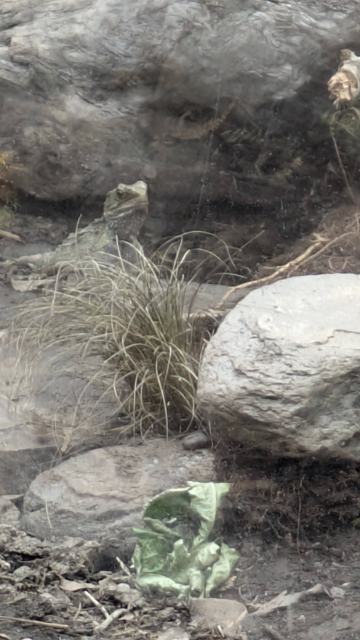
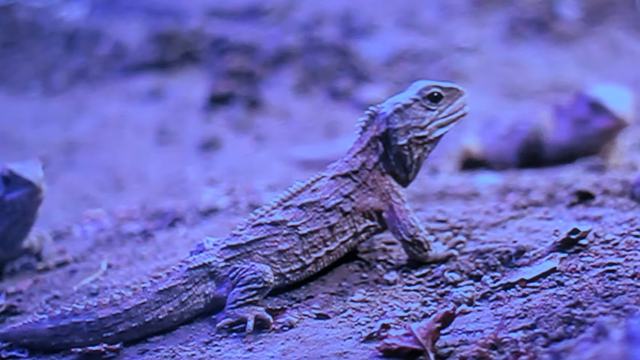
The other endangered native species that the Wild Life Centre breeds and cares for are Tuataras.
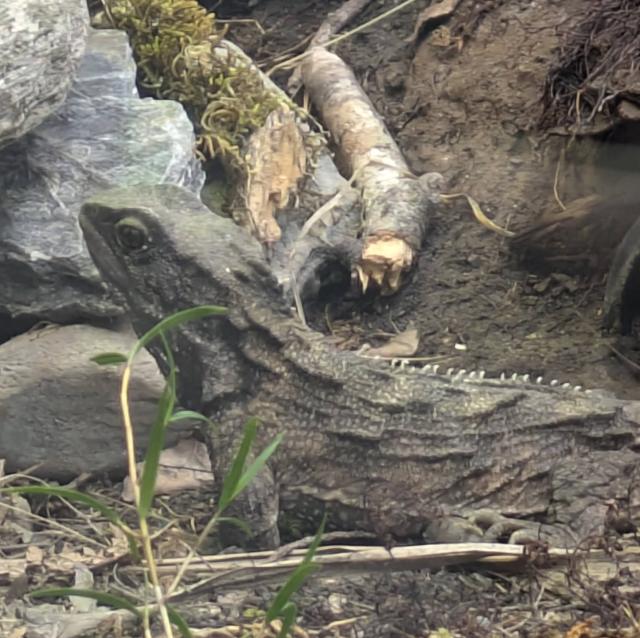
Tuataras are the last surviving members of reptile group, the Rhynchocephalians that is older than the dinosaurs. Rhynchocephalians first appeared in the fossil record around 240 million years ago.

They very easy to take photos of, as they move very slowly. There metabolism is so slow that they can survive up to two years without eating. They prefer to eat once a week or so. Their diet is mainly invertebrates, although the will eat small birds and their own young. Because of this, while adult Tuataras are active mainly at night, the young Tuataras are active during the day.

They can grow up to 60 cm in length. They generally live for about 60 years. But, they can live to 100.

Learn more about Tuataras


We left feeling that we had learned more about Kiwis and Tuataras. We also learned about the efforts being made to help them survive and even thrive.

Just south of Franz Joseph we came across evidence of them in the wild. We kept an eye open for them, but didn’t see any. Which we wouldn’t have because it was daytime.


We also encountered a non-endangered species of native wildlife – the Sandfly. These are a particularly annoying type of biting insect which inhabit the West Coast. I think you can also find them in other areas of New Zealand. Like the West Highland Midgie, it is apparently only the females who bite. Like the Midgie the bite itches for days afterwards. We tried a few insect repellents, but none of them seemed to work 100%. We should have tried Avon Skin So Soft. It keeps the Midgies at bay.
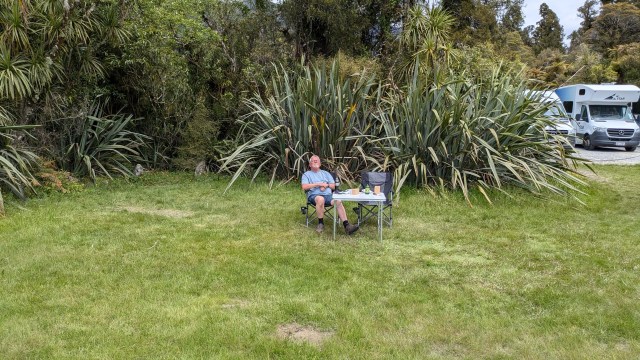
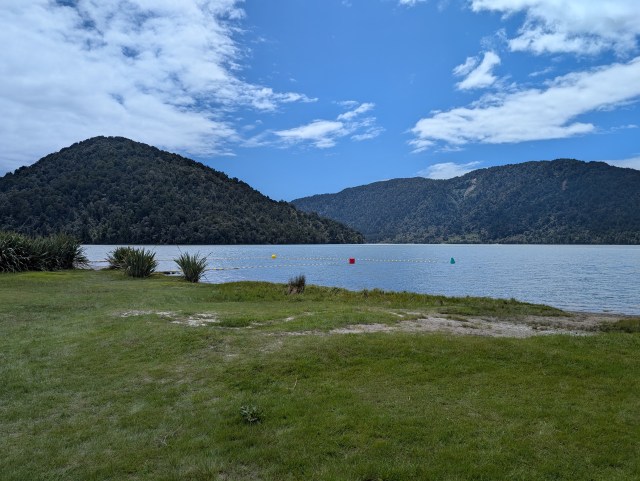
When we stopped at Lake Paringa for lunch they came out in force.

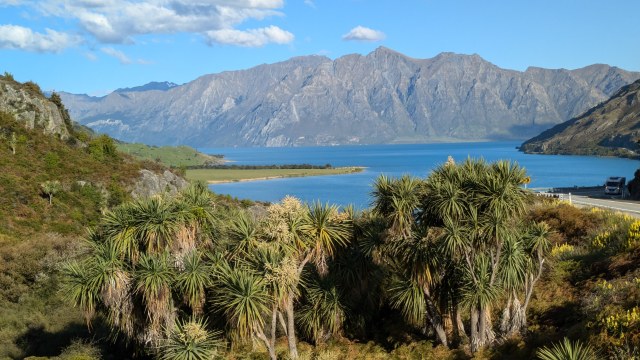
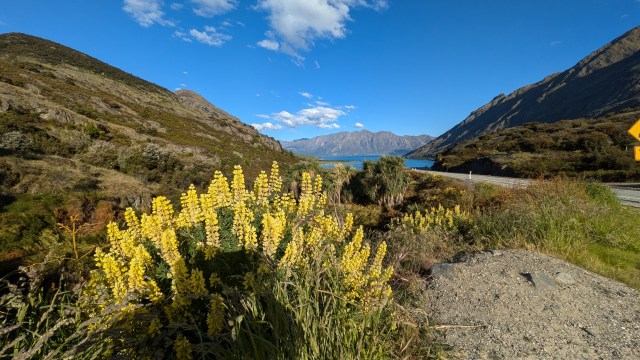
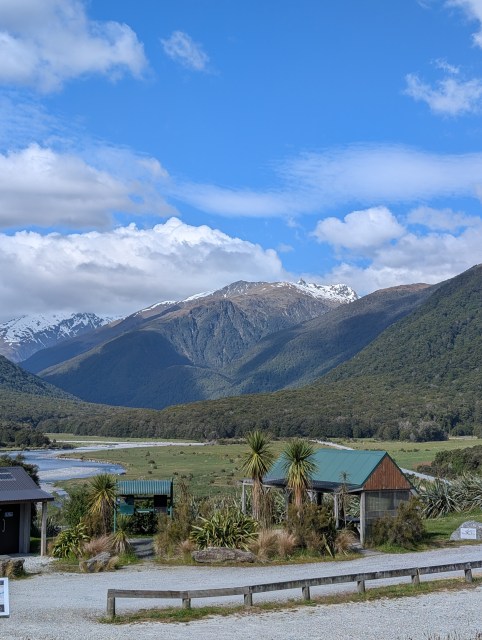
The landslides that had closed SH6 have been cleared. The journey over the Haast Pass to Wānaka was uneventful—very scenic, very winding, but uneventful.
A Sort of Photo Essay – Shasta

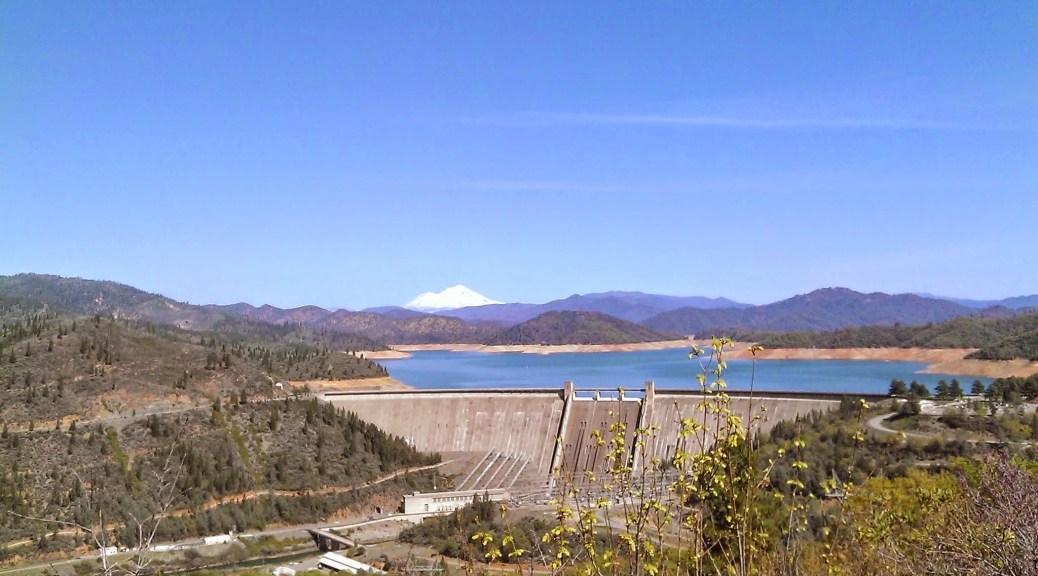
I am not a photo blogger, although I often include photos in my blog posts if I think they will enhance or clarify what I am trying to say. I probably will never be a photo blogger. Having said that I thought I would try my hand at a photo essay. Last March we went to California for a couple of weeks and while we were there I did a tour of the Shasta Dam and Power Station. Hopefully the photos tell a story. Continue reading A Sort of Photo Essay – Shasta

Photography and the Digital Age

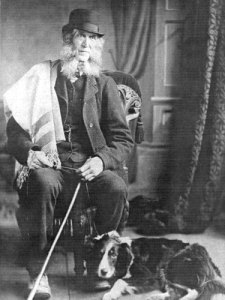
My mother has somewhere in her photo box this photograph of her great-grandfather (or my great-great grandfather) William Elliot. He was born (probably) in 1817 and died in 1897 . I don’t know exactly when it was taken, but he looks to be  around sixty  so I think it was probably 1880 give or take five years. It was around that time several of his sons emigrated to New Zealand, so my guess is that it was taken in order that they would have a memento of him.

William Elliot
William Elliot

Looking at William Elliot’s photograph the thought occurred to me, that this may well have been the only photograph ever taken of him. I find it to be a powerful and evocative image. It is carefully composed, and although I am sure he is wearing his Sunday best, it includes elements that show that he was a shepherd, his dog, his crook, and he has his plaid over his shoulder. It would also have been costly to produce. I have no idea exactly how much, but my guess is at least a days wages and possibly more than a weeks. It is a valuable image in every sense of the word.

Do we still make valuable images, in the sense of images that are worth valuing,  today?

As the digital camera, either as a standalone device, or built into our mobile phones, became ubiquitous the volume of photographs taken has since multiplied by a factor of gazillions.

When I was a child, being allowed to take a photograph, with mum and dad’s camera was an unusual event. I might waste a shot by taking a picture of my finger. That wasted shot still had to be processed and paid for. Today four-year olds  happily snap away with mum’s digital camera, because we know that we can just delete any and every image that doesn’t work and keep the one or two that we find amusing.

In all of this we have, I think lost sense of the value that a photograph can have. We rarely take time to compose photographs, we just snap away, knowing, hoping, that one of the 6035 images on the SD Card might just be worth keeping. I don’t think that we in general even think about what we are photographing, and I am not even convinced that we even look at, let alone look properly at the images we produce.

Quite a while ago, before I owned a digital camera, I was sorting through a pile of snapshots that I had taken on holiday. I found that I could barely identify the location of quarter of them. I made a conscious decision that day to take less photographs and make more sketches. When I look back through my sketch books I can recall exactly where I was when I made that sketch. I can remember what was happening around me, and what I was feeling at the time. Because I took ten minutes to sit down and actually look at what I was recording, rather than two seconds to push a random shutter.

I’m not saying don’t take photographs, I still take, I might even say make, but that sounds a bit pretentious, photographs. I know that there are some things that can’t be easily captured in a sketch but are caught in a photograph. What I am saying is look at what you are photographing before you take it. Look at the result after you have taken it. Exercise some kind of quality control before you dump the latest batch of photos on Facebook or Flickr. Possibly restrict the number of shots you allow yourself to take to say 20 per day to force yourself to choose your subject.

If you do manage to produce a valuable image, get it printed, because my mother’s copy of William Elliot’s photo will still be around when my digital copy as vanished into hyperspace.