
Day 28 Nov 23 2024
We spent the night at the Franz Joseph Campervan Park, which is very centrally situated, but rather cramped. Still it provided everything we needed. Power, water and WiFi were included, and the showers and toilets worked and were clean. It was a short walk to restaurants, bars and a supermarket, so we had everything we needed. The only minus was the position of the dump station. If you wanted to use it you blocked any one else from entering or leaving the site.
The weather had cleared, compared to yesterday, but there was still some cloud around. The helicopters were flying. We debated whether or not to take a flight to the glacier. We decided in the end not to. Instead we visited the West Coast Wildlife Centre.
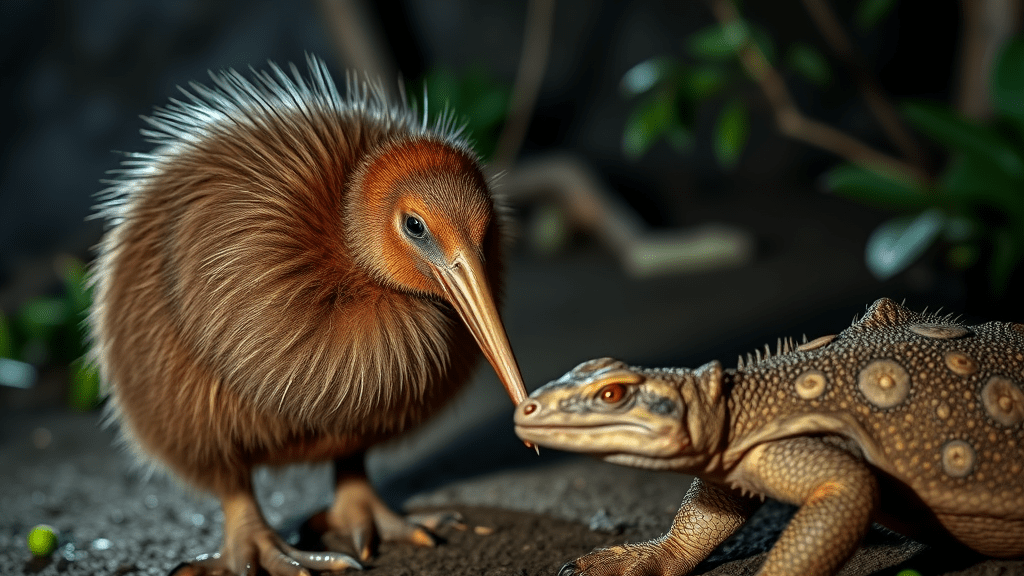
They have a breeding program for Kiwis and Tuataras. While it is possible to see Kiwis in the wild, it is not that easy. They are nocturnal, and you also have to know where to look for them. We decided that our best chance of seeing a live Kiwi was in the breeding centre. We have no photos of Kiwis, because trying to take a photo would disturb them.
The Kiwis are kept in an environment that tries to replicate their natural surroundings. Because they are nocturnal day and night are reversed, so that they are active during the centre’s opening hours. It takes a while for your eyes to adapt to the darkness. You can hear the Kiwis rooting around looking for food long before you can see them. When you do see one, they are surprisingly big. The size of a small chicken.
A video about Kiwis
The other endangered native species that the Wild Life Centre breeds and cares for are Tuataras.
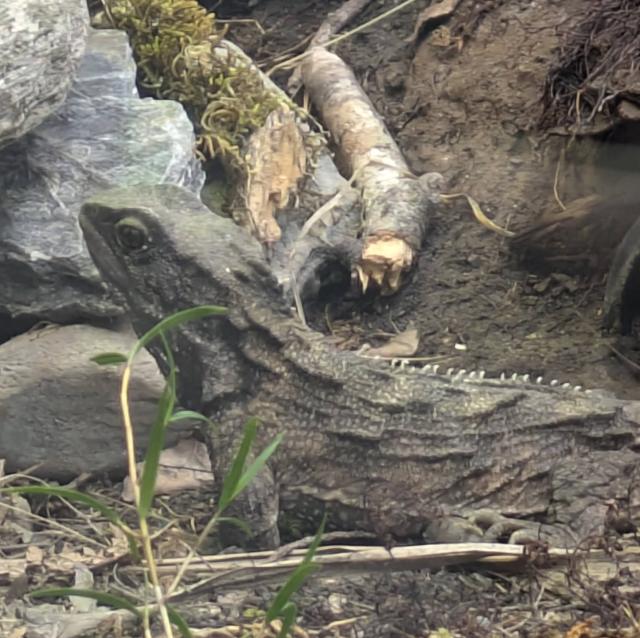
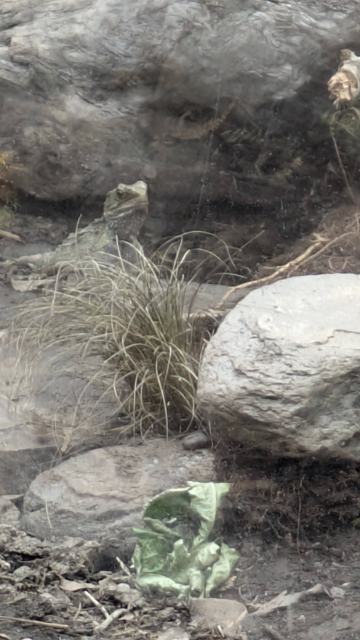
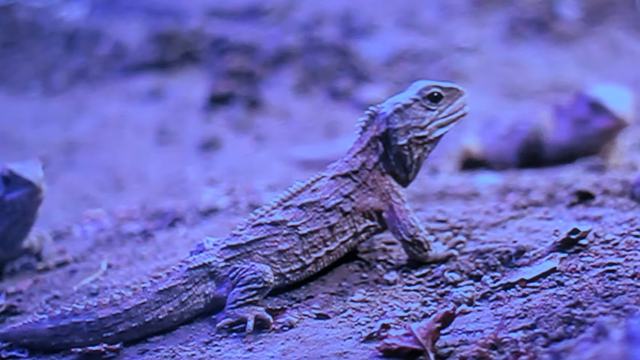
Tuataras are the last surviving members of reptile group, the Rhynchocephalians that is older than the dinosaurs. Rhynchocephalians first appeared in the fossil record around 240 million years ago.
They very easy to take photos of, as they move very slowly. There metabolism is so slow that they can survive up to two years without eating. They prefer to eat once a week or so. Their diet is mainly invertebrates, although the will eat small birds and their own young. Because of this, while adult Tuataras are active mainly at night, the young Tuataras are active during the day.
They can grow up to 60 cm in length. They generally live for about 60 years. But, they can live to 100.
Learn more about Tuataras
We left feeling that we had learned more about Kiwis and Tuataras. We also learned about the efforts being made to help them survive and even thrive.

Just south of Franz Joseph we came across evidence of them in the wild. We kept an eye open for them, but didn’t see any. Which we wouldn’t have because it was daytime.
We also encountered a non-endangered species of native wildlife – the Sandfly. These are a particularly annoying type of biting insect which inhabit the West Coast. I think you can also find them in other areas of New Zealand. Like the West Highland Midgie, it is apparently only the females who bite. Like the Midgie the bite itches for days afterwards. We tried a few insect repellents, but none of them seemed to work 100%. We should have tried Avon Skin So Soft. It keeps the Midgies at bay.
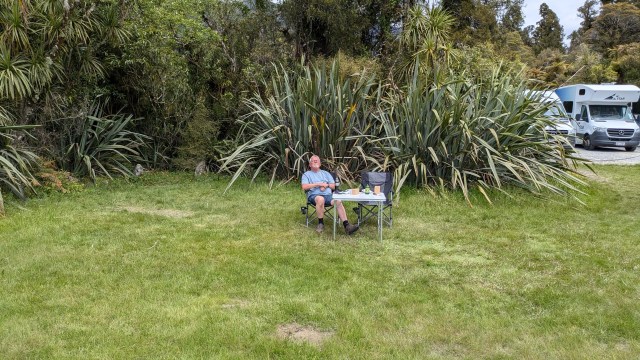
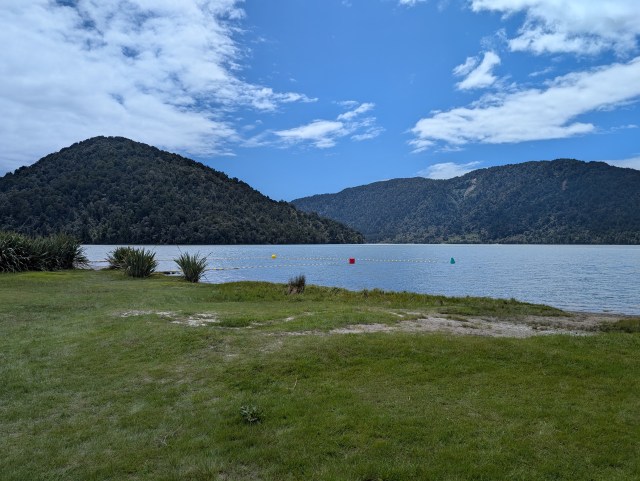
When we stopped at Lake Paringa for lunch they came out in force.
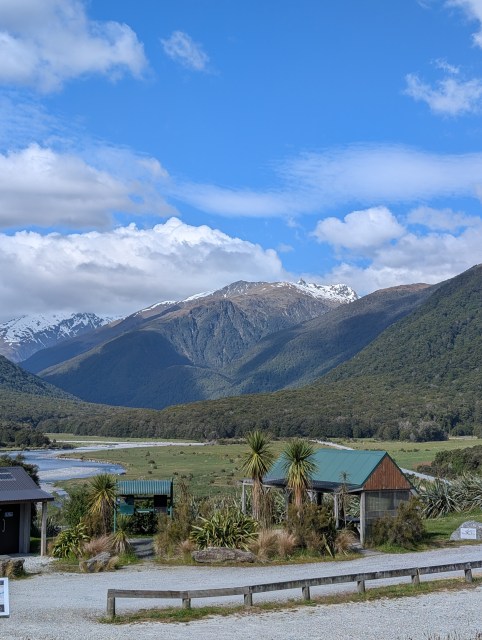
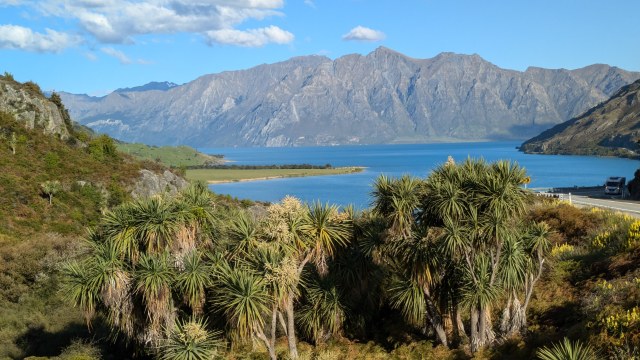
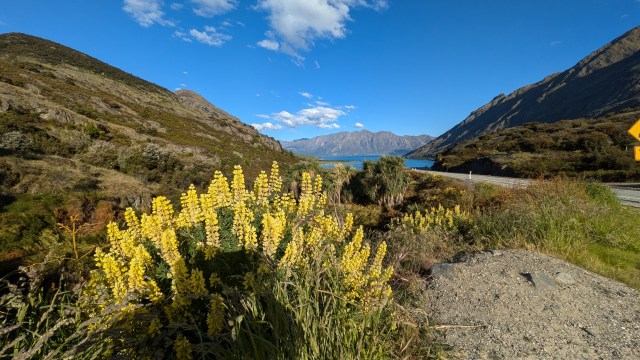
The landslides that had closed SH6 have been cleared. The journey over the Haast Pass to Wānaka was uneventful—very scenic, very winding, but uneventful.

 A Scotsman in Suburbia