All posts by A Scotsman in Suburbia

I am not a Grumpy Old Man I am a middle aged man who occasionally gets slightly hacked off with things. My politics are greenish and to the left of centre. I am married again, following being widowed. I own two bikes, one car, one campervan and half a cat. I love cycling (hence the bikes) and cycle sport especially road racing. During the winter I enjoy watching football (soccer if you are North American). I sometimes paint and enjoy cooking and eating.

Glaciers and Goldmines

Days 27 Nov 22 2024

We continued our wander down the West Coast. The West Coast has many good things. One of them is that it is (almost) impossible to get lost. There is only one road, State Highway 6.
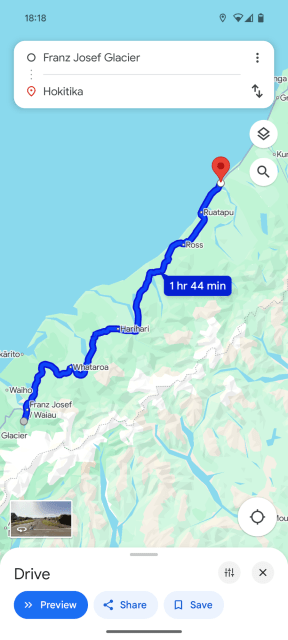
Our route for today

We were heading to Franz Joseph to see the glacier. On route we were going to visit the town of Ross.

Ross was, in some ways still is a gold mining town. It was founded during the West Coast Gold Rush of 1864 – 68. Do not confuse this with the Otago Gold Rush of 1861. That event was significant in New Zealand’s history. It marked the country’s largest gold strike. This led to a large influx of miners, including many from California and Victoria, Australia.

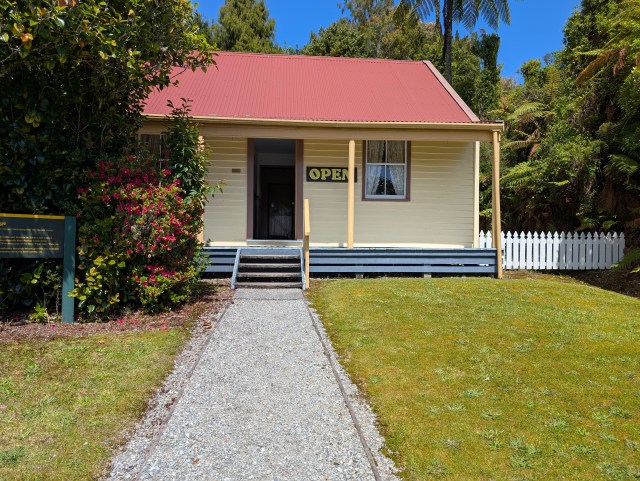
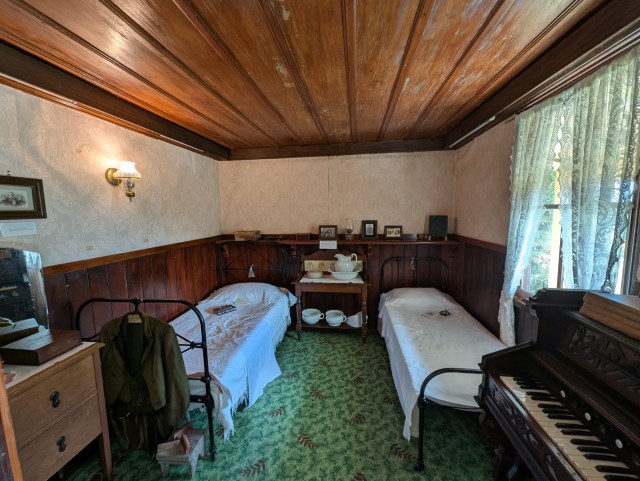
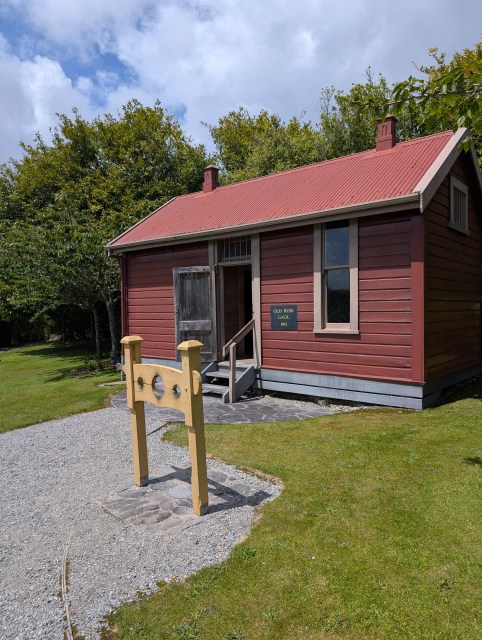
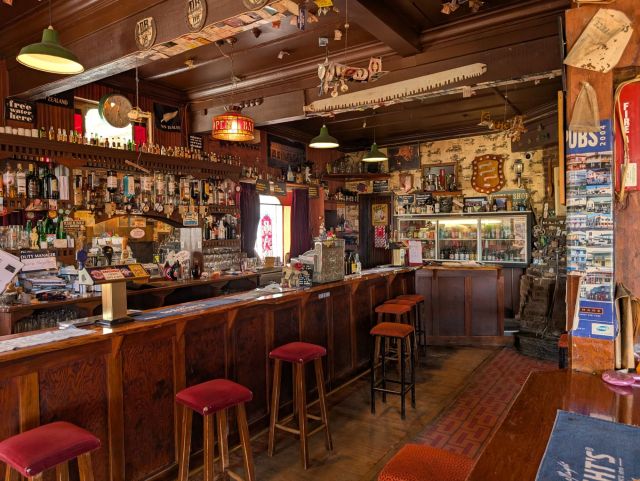
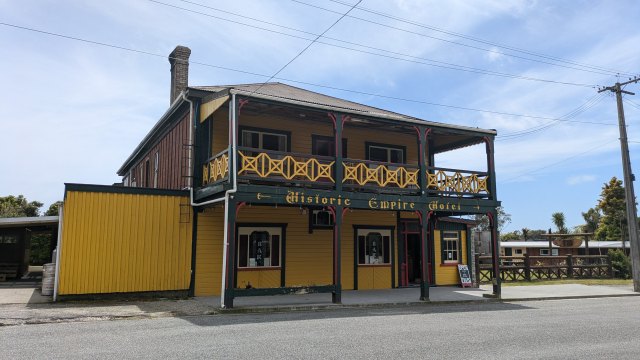
While the town of Ross has not been preserved in aspic, some of the gold rush era buildings remain. Most Notably the Empire Hotel. Several other buildings have been restored. These include the Bank of New South Wales, a typical miner’s cottage, and the local jail. The local Catholic Church, St Patrick’s dates from that era as well. The church name probably indicates the origin of a significant proportion of the miners.
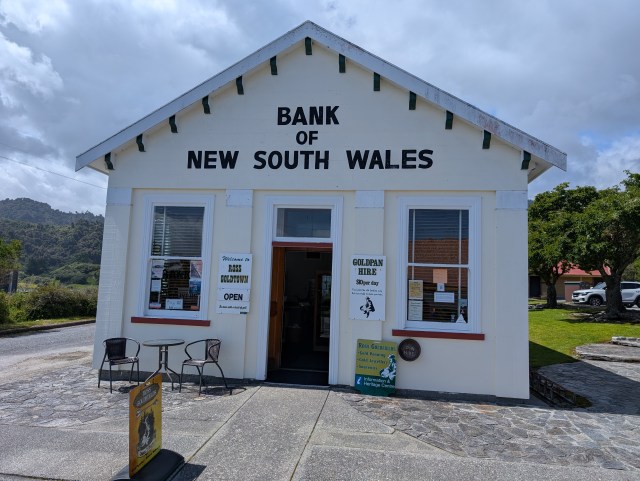
The restored Bank of New South Wales has a small museum, dedicated to gold mining in Ross. The largest gold nugget ever found in New Zealand, “The Honorable Roddy”, was found in Ross. Mining continued up until 1990, but the town of Ross is estimated to sit on about $700M of gold reserves. So who knows.

We took a walk up to the miners cemetery. It is a fair way up a steep hill. It was hard work walking up there, what it would have been like carrying a coffin I can only imagine. People died young in the gold fields, often drowning. One gravestone I found particularly poignant.
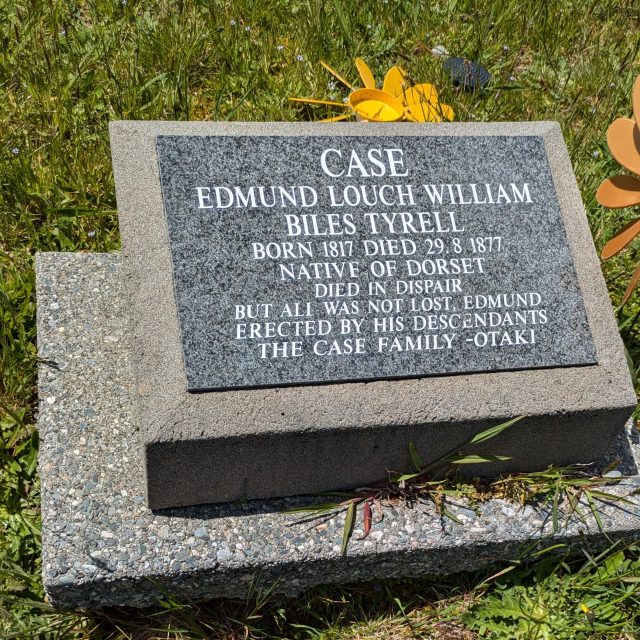
I’m not sure that this implies that he committed suicide. It is possible, that, never having found the gold he had hoped for, he turned to drink and died young as a result.

We had a decent lunch at the Empire Hotel. Afterward, we set off down SH 6 for Franz Joseph and the glacier.

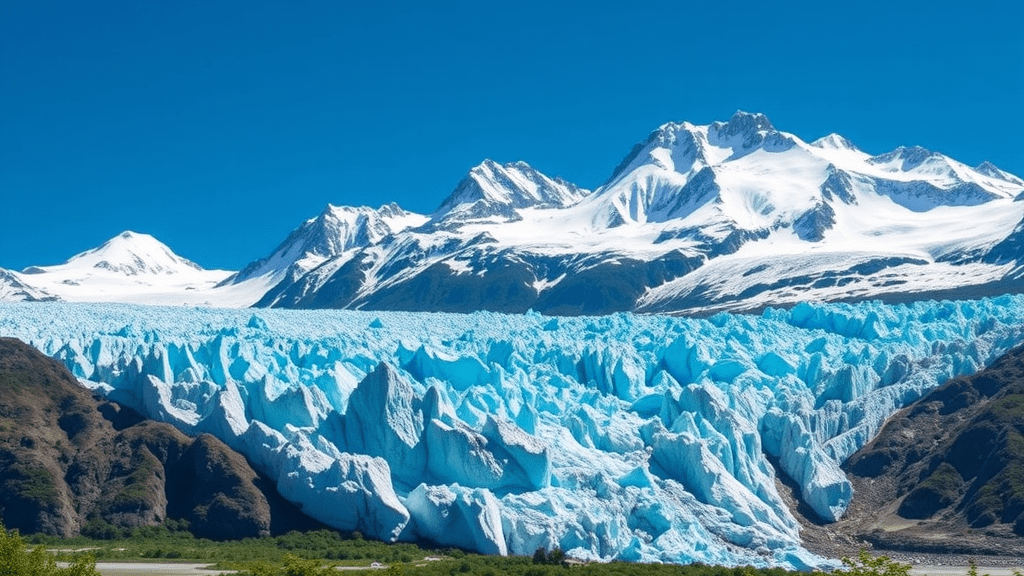
We discovered that the only way to get close up to the glacier is in a helicopter. The day we arrived in Franz Joseph, the cloud base was too low for the helicopters to fly. We settled for a walk up to see the terminal moraine. The flights start at about $280 per person, so we may have passed anyway.
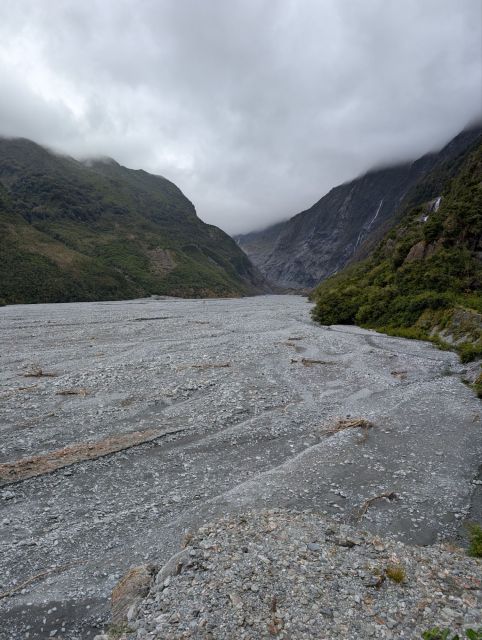
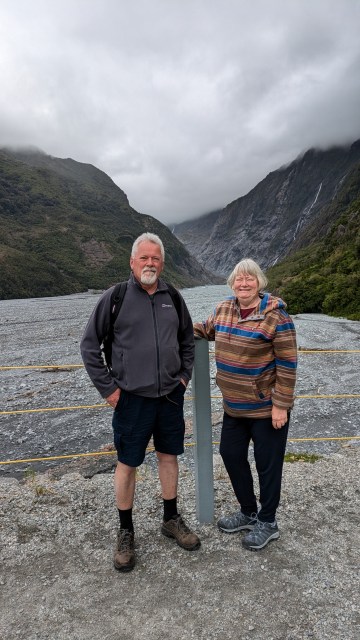
In 1908, the glacier came down to where Diane and I are standing. The table below shows what has changed since then.
YearWorld PopulationCO2 ConcentrationGlobal Average Temperature
19081,750,000,000299 ppm13.57oC
20167,450,000,000405 ppm14.87oC

Even as recently as 2009 the glacier came much further down the valley.
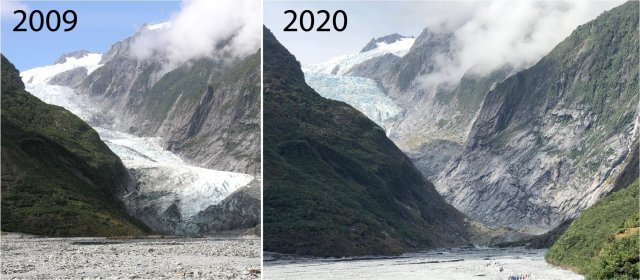
Today in 2024 the glacier has retreated still further.
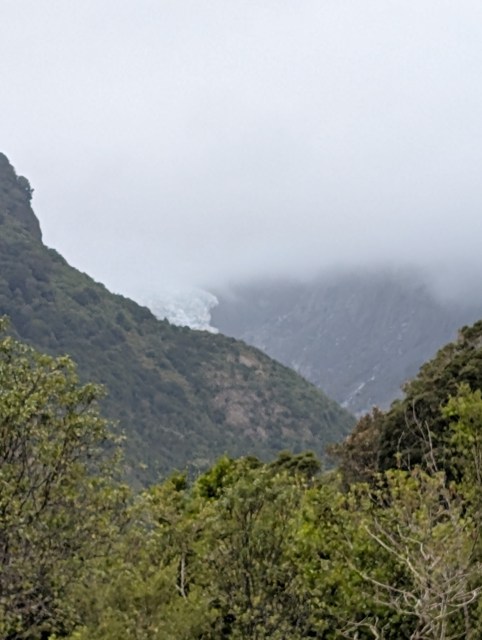
We did actually manage to see the glacier. The cloud base lifted sufficiently that we caught a glimpse of it. But it is no longer permitted to walk up the valley, beyond the point where we were photographed.

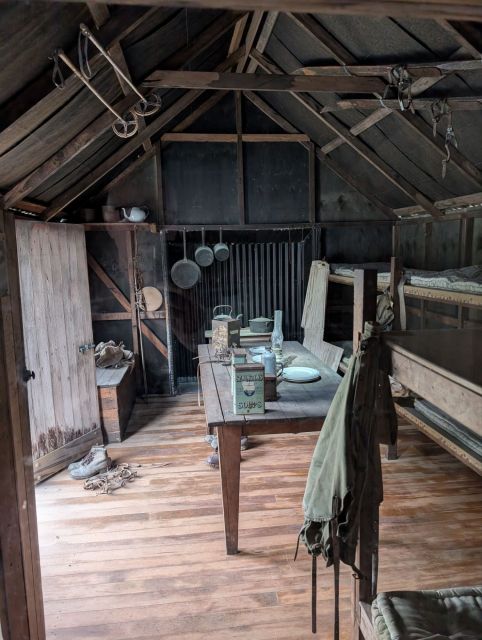
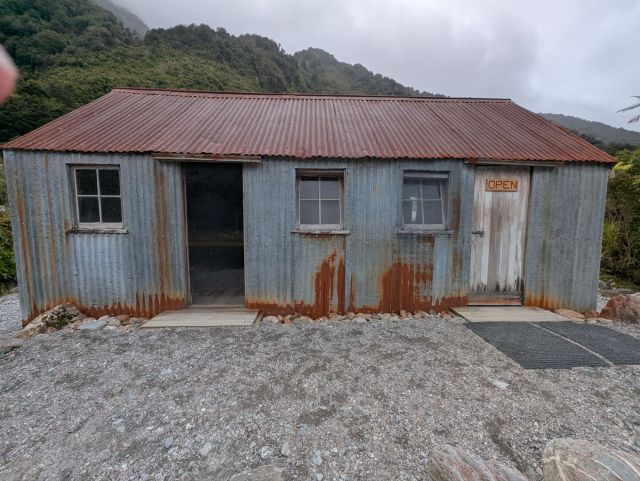
The Defiance Hut was one of the original mountaineering huts in New Zealand. It has been relocated to the Franz Joseph visitor centre. When you are already there it is worth taking ten minutes to look around. It is part of the history of the glacier and mountaineering in New Zealand.
Adventures at Buller Gorge and Pancake Rocks

Day 26 Nov 21 2024

As The Pet Shop Boys said: Go West

That was what we were gonna do. Follow the Buller River west, all the way to the Tasman Sea. We rafted down part of it yesterday. Today, we were headed for Westport and beyond.  Well, hopefully. At the time we set off, SH6 was closed just before the Haast Pass due to a land slip. Still, the indications were that it would probably be cleared by the time we got there. Otherwise, we would have to revise our plans, not that we really had a fixed plan.

We were almost delayed by a place called ‘Dust and Rust’. Diane does love a junk shop. It was “unfortunately” closed.

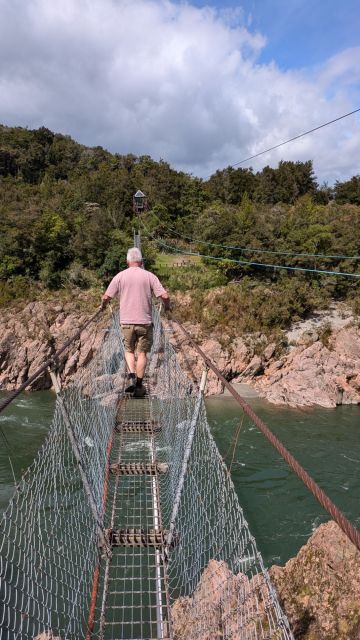
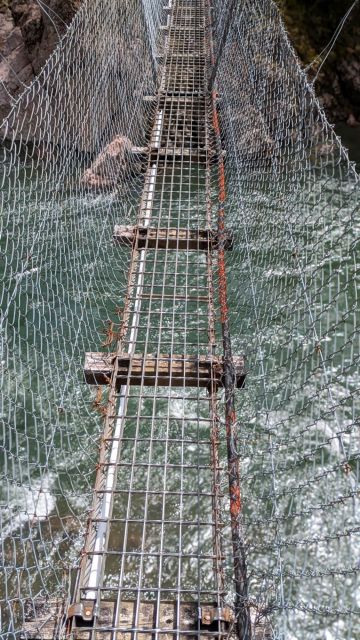
But first, we decided to visit the Buller Gorge Swing Bridge. We went under it yesterday and thought it would be good to walk over it today.  It is about 110m long and hangs 19m above the gorge. Walking across was an interesting experience. I am not too keen on heights. The walkway is open mesh.

After our swing Bridge excursion we carried on down the Buller to Westport.

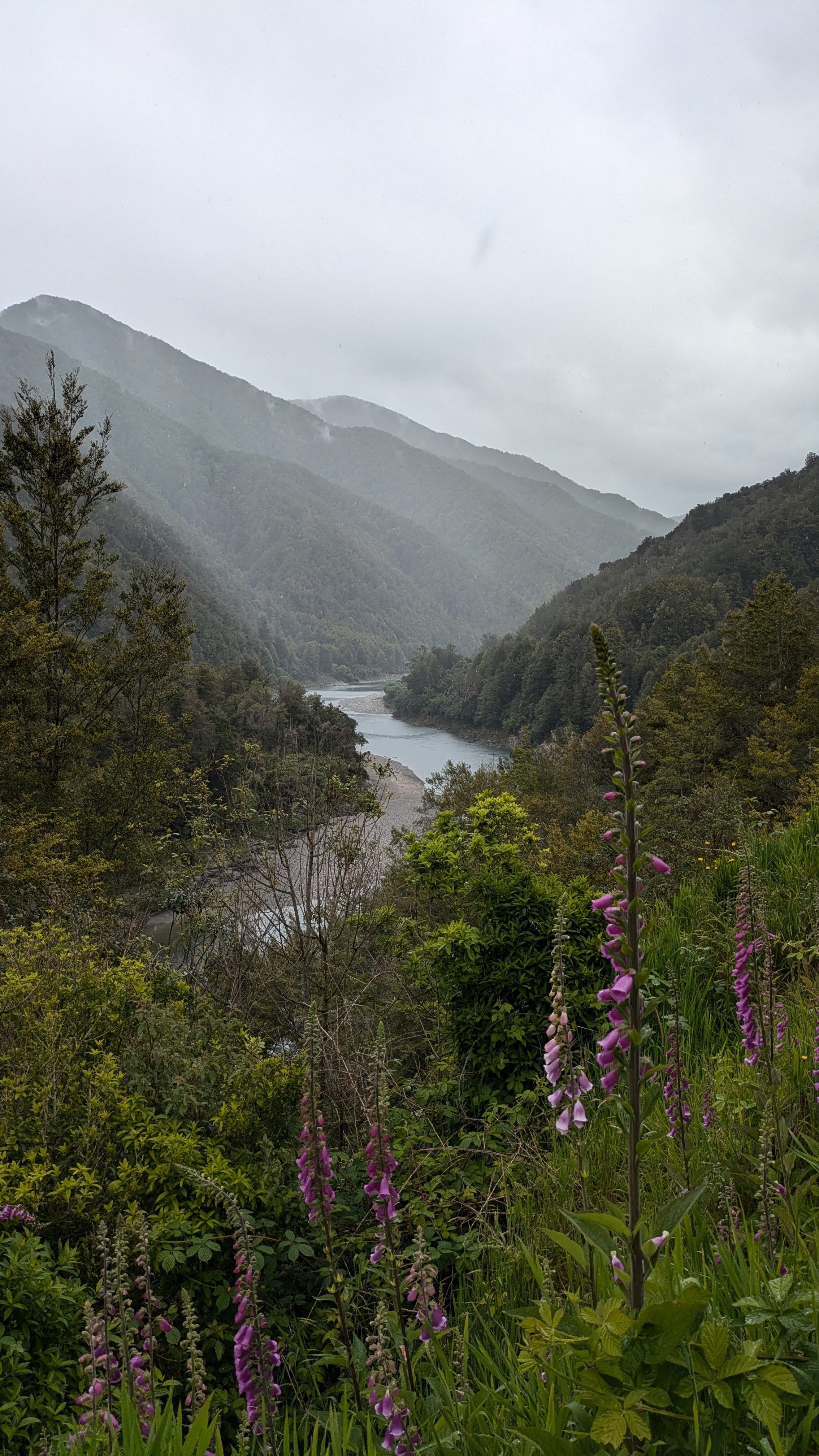
Lower Buller River

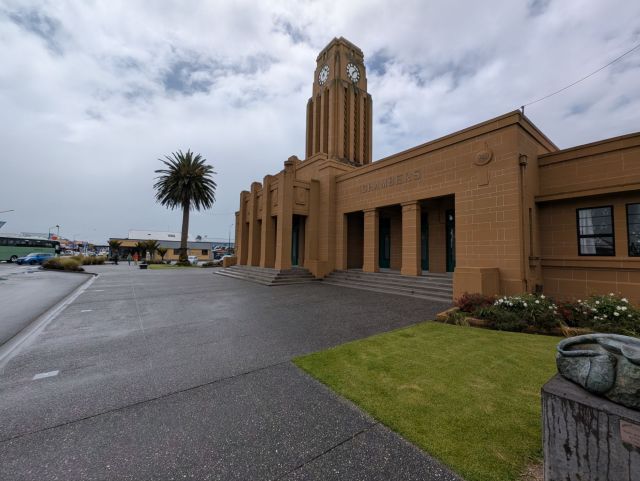
We stopped in Westport because we needed to buy groceries and have lunch. We found a couple of interesting municipal buildings

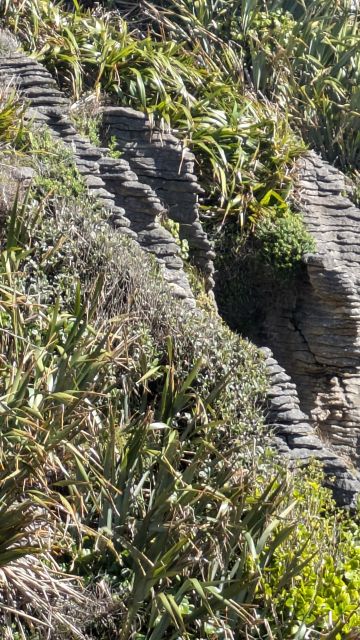
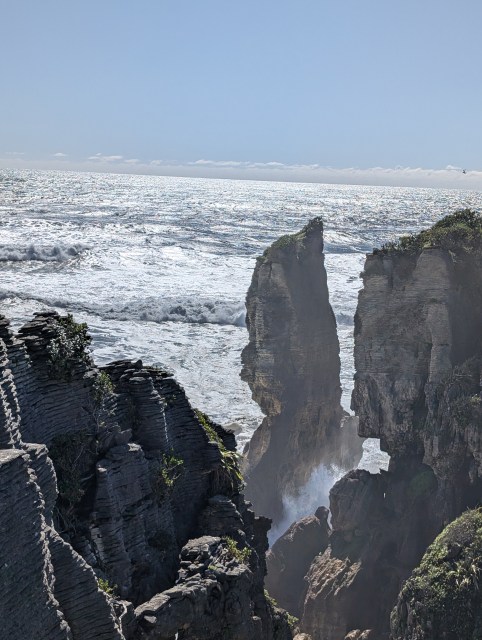
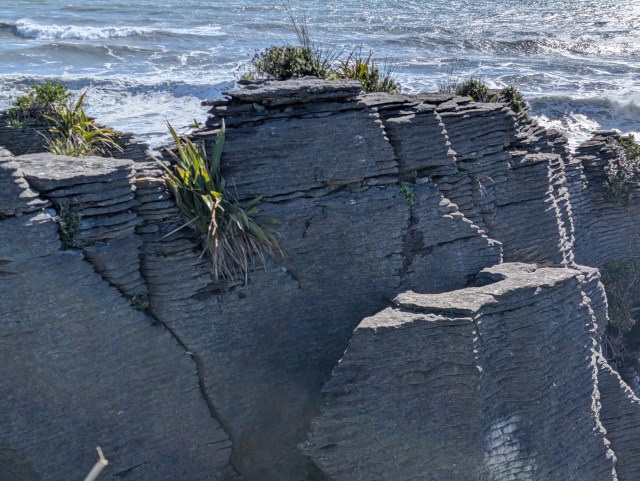
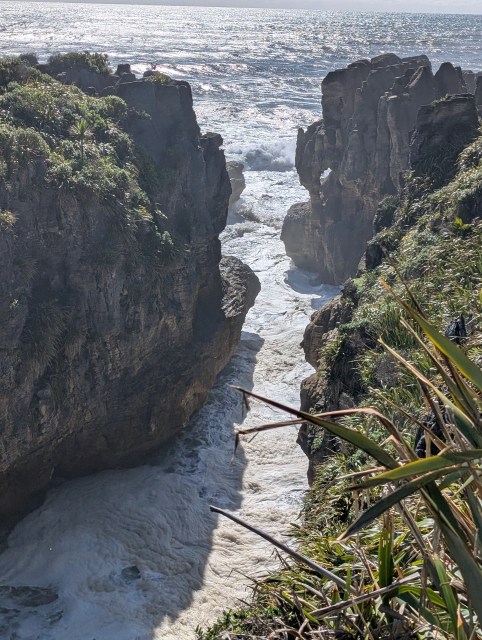
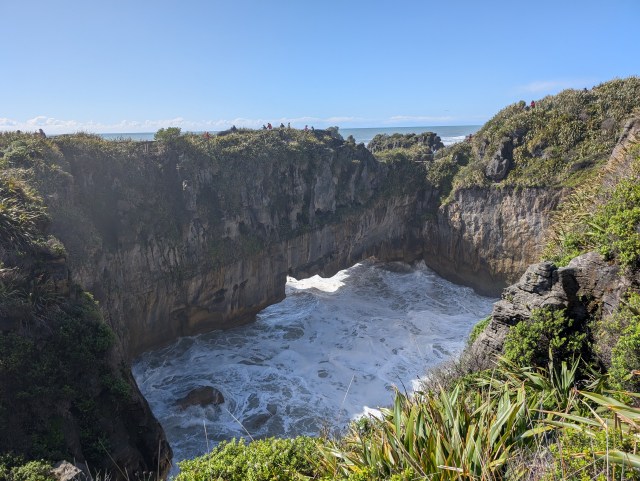
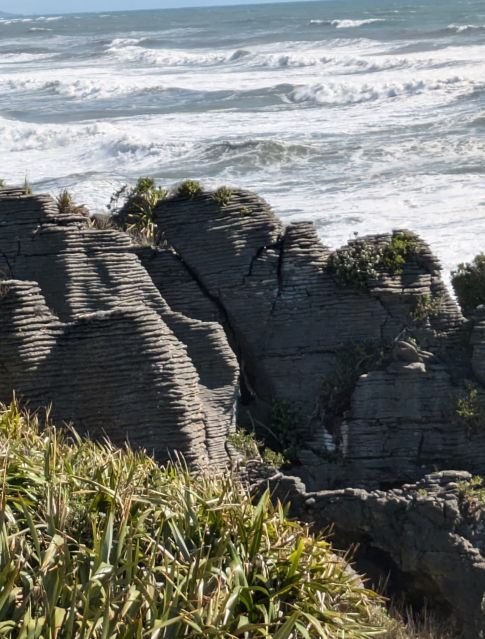
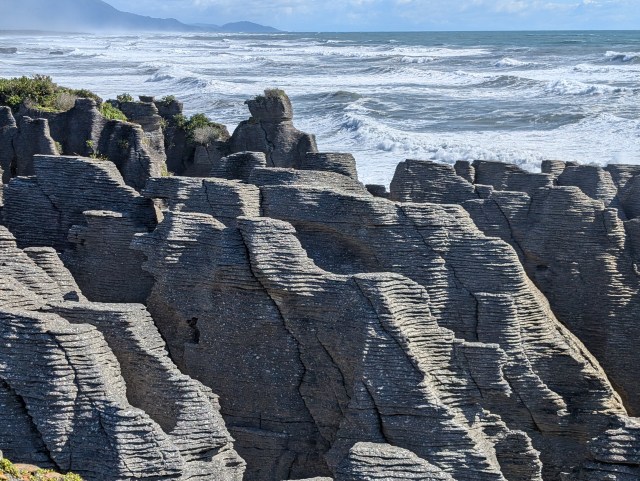
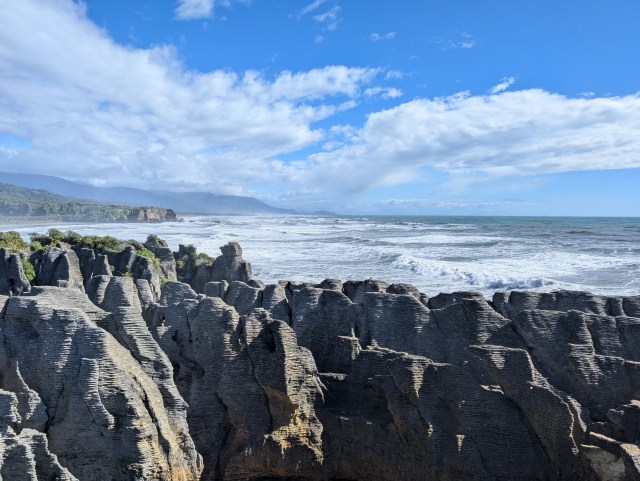
After our stop in Westport we headed south to Punakaiki and its pancake rock formations. A good explanation of the geology and the origin of the phenomenon are given in the link above. We found the rocks and the interaction with the waves fascinating.

The sea was running quite high that day which definitely added to the spectacle.

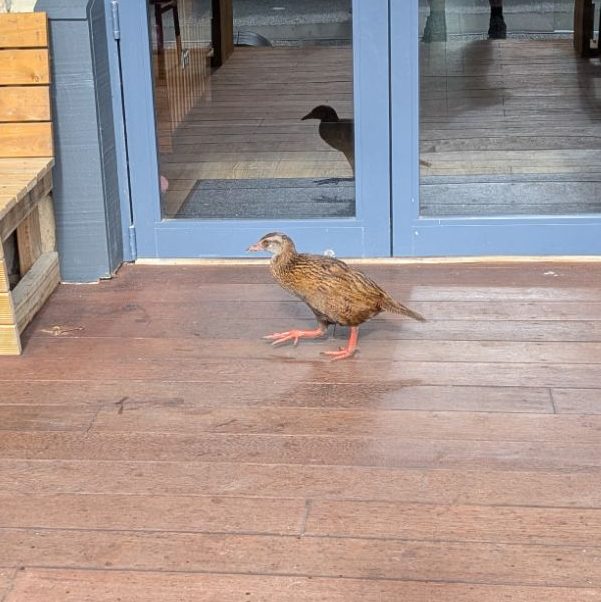
On our way back to the van we ran into a Weka.

pxl_20241121_0438497446610850382526909147

We decided to press on further south before we stopped for the night. We found a campsite in Hokotika which seemed to meet our requirements.

Hobbiton.. in the rain

Day 20 Fri. 15th Nov 2024

Yesterday we pretended to be Maori for the evening. Today we became hobbits.

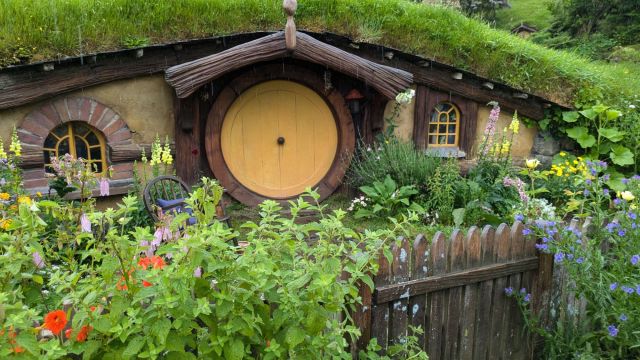
Near the town of Matamata, previously best known for breeding Melbourne Cup winning racehorses, lives a colony of Hobbits. Or, to be more precise, the set that was built for the filming of Lord of the Rings and The Hobbit has been preserved as a tourist attraction. Both Diane and I are fans of both the films and the books, so we had to go.

It is a shortish drive from Rotorua to Hobbiton, during which it rained all the way. This was not promising for an open air attraction. We arrived with some of time to kill before our tour was due to start, so we had lunch. It was pretty decent. The price was not too extravagant, considering we were at a tourist attraction in the middle of nowhere.

The rain did not stop in time for our tour, but our guide assured us that they had plenty umbrellas. So off we set to be hobbits for the afternoon.

A Hobbit
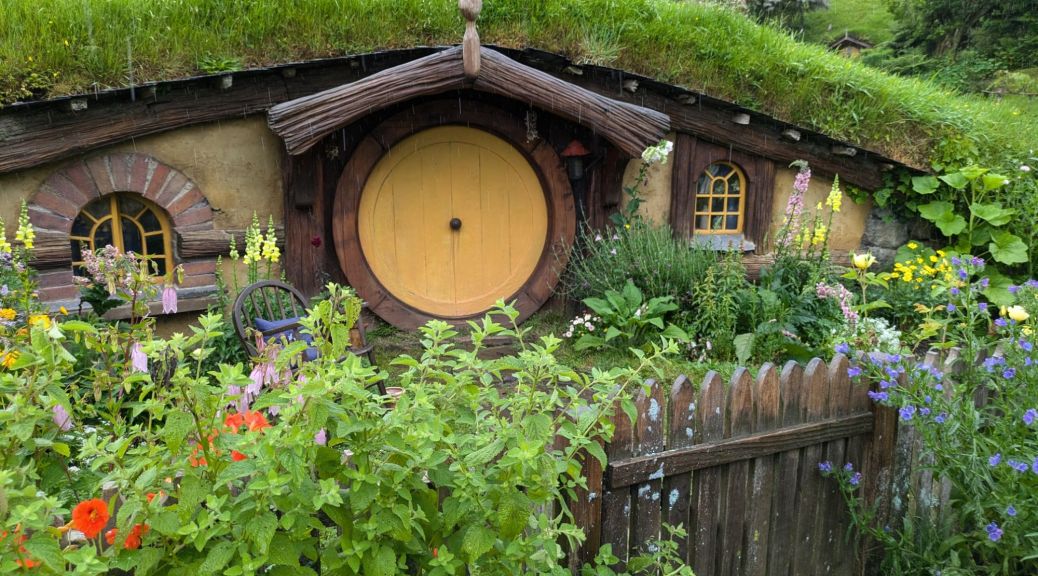
Bag End

During our tour, we learned about the techniques Peter Jackson used to make the Hobbits look small compared to Gandalf and other larger beings. First of all, all the actors who played Hobbits were smaller than 1.67m, and Ian McKellen is 1.90m or more. Other tricks were to make some Hobbit holes smaller and to film Gandalf in front of them. There were lots of tricks, playing with perspective, to achieve the desired result.

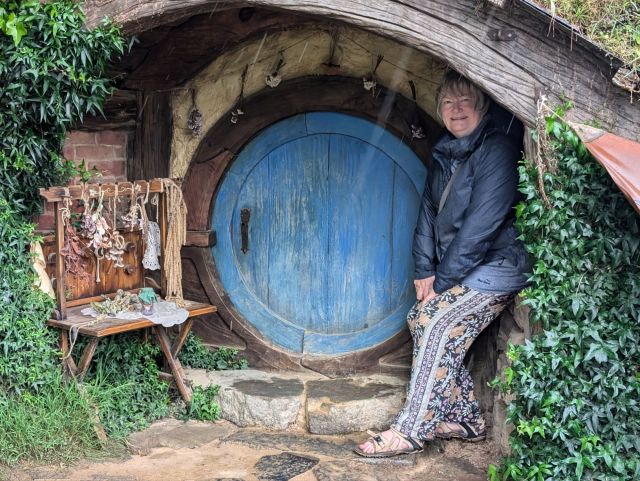
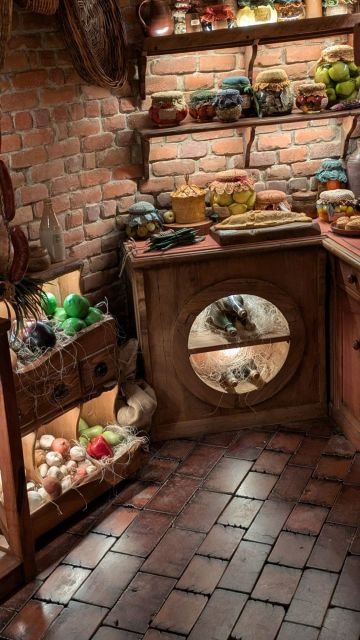
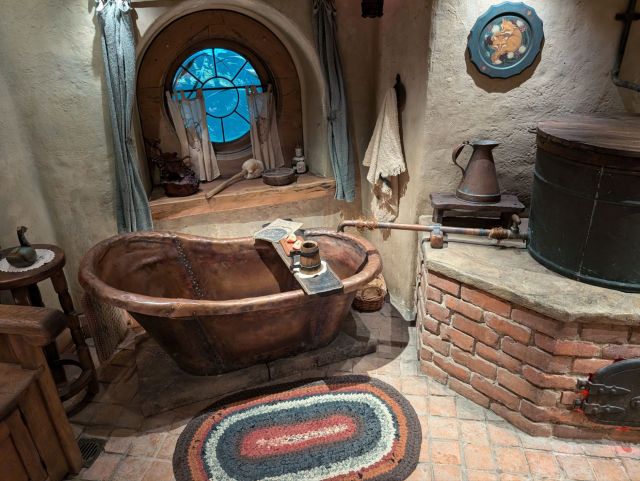
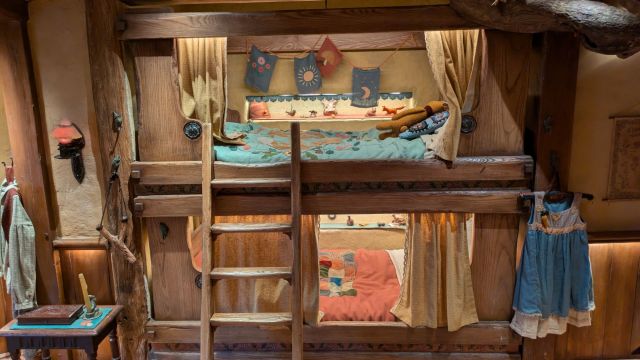
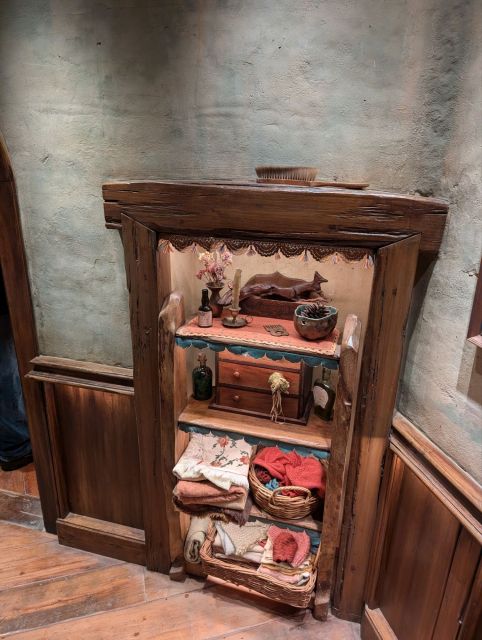
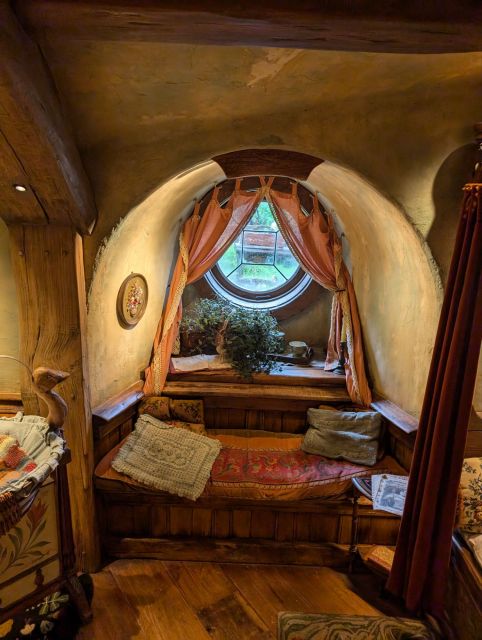
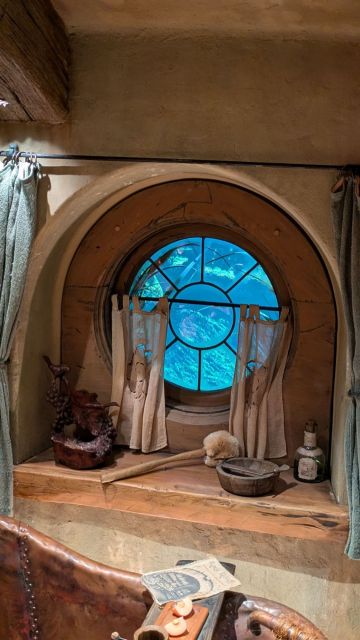
Probably the highlight of the tour was the Hobbit hole that has been fully fitted out. (It might also have had something to do with the fact that we were out of the rain for quarter of an hour).  The hole is fully equipped with everything a hobbit could possibly need. In fact, a couple of kids on the tour decided that they would like to live there.

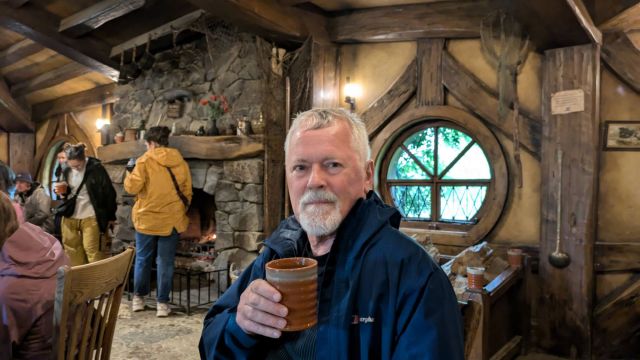
We finished off with a beer in The Green Dragon

Damp inside and out

We really enjoyed our trip to Hobbiton, even though we got soaked. I should mention that if you want to visit it is advisable to book in advance.

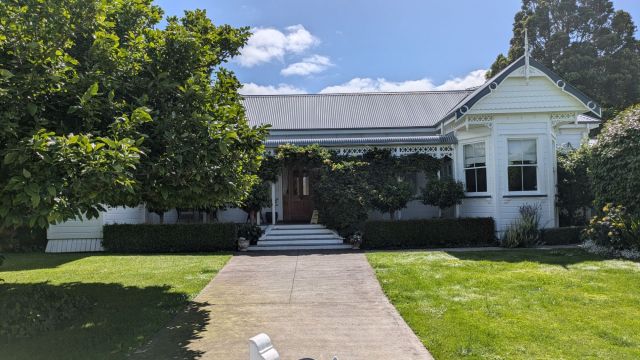
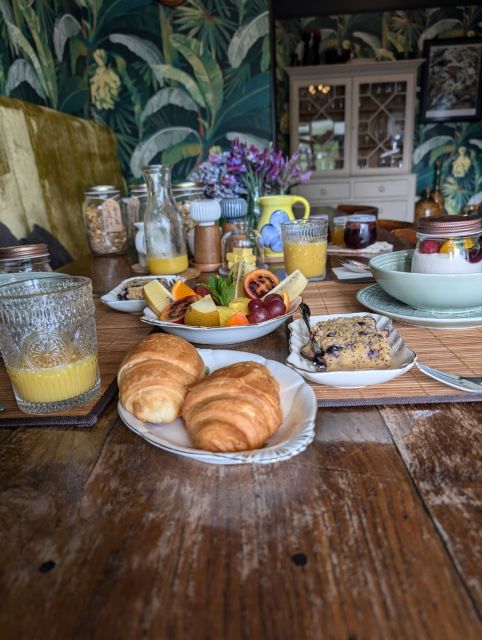
Our B&B for the night Villa Walton won prizes for being the prettiest place we had stayed so far, it also won the prize for prettiest breakfast.

This post concludes our adventures in the North Island. After we left Matamata, we drove back up to Auckland airport to drop the car off and catch our flight to Christchurch

How not to do a Haka

Day 19 – Thu 14th Nov

This evening we went along to a Maori village just outside Rotorua. Te Pā Tū is a celebration of Maori culture presented in a way that Pakeha can relate to.

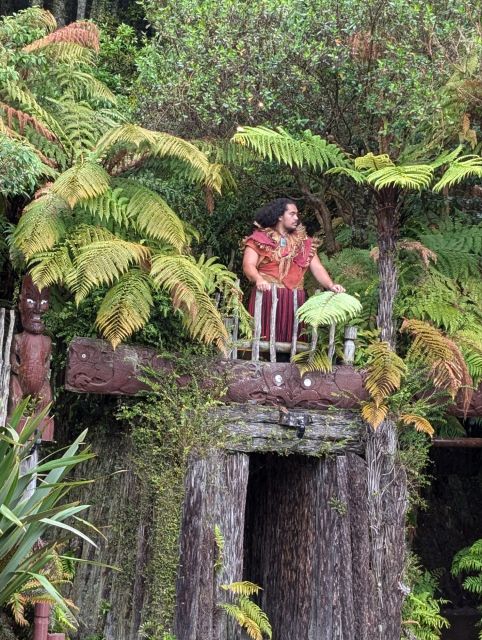
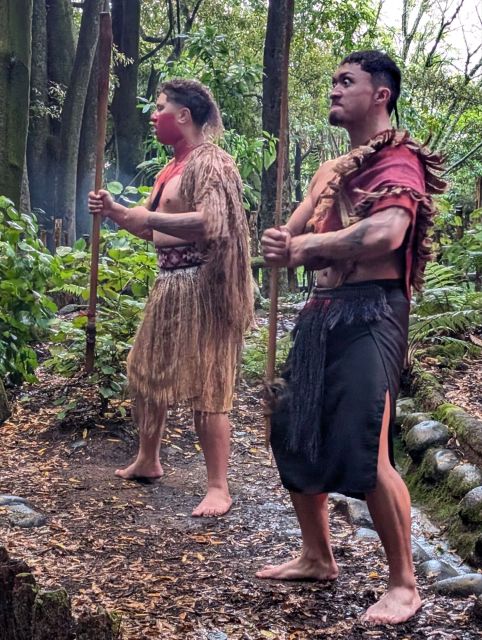
As we arrived at the village, we were met by a challenge from the warriors of the village.

The chief watches on

Having offered our representative a peace token and our “chief” having accepted it, we were welcomed into the village.

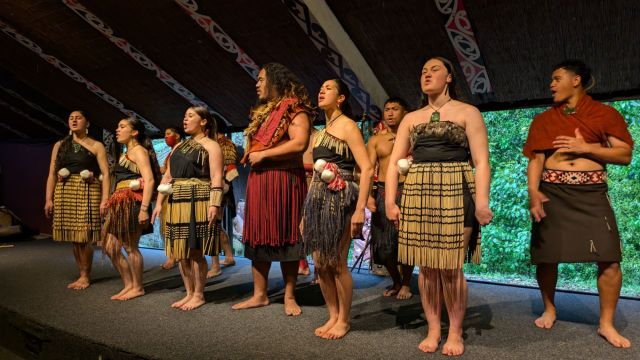
Unfortunately, because of the weather, the cultural show had to be moved inside to the meeting house. Normally, most of the show is outside. As well as demonstrating various dances, they taught us how to do some.

How not to do the Haka.

After the cultural show, we had a “traditional” Maori meal. We were shown the traditional ways of cooking food, kai, in Maori. I may be misjudging. Still, I suspect that most of what we ate was cooked in a combi oven rather than a hangi. The food was OK but the food wasn’t the point of the evening as far as I was concerned. I enjoyed learning more about Maori culture. This on a day when a march to protest a proposal to weaken the provisions of the Treaty of Waitangi (Aotearoa/New Zealand’s founding document reached Rotorua.

We got caught up in the demonstration on the way back from the Buried Village.

I have more videos that I would have liked to add, but I couldn’t get them to upload. I’ll have another look when I get home and have my desktop computer rather than my tablet

Rotorua

Days 18 & 19

Nov 13 & 14th Nov

Day 18 was spent driving from Hahei to Rotorua. The road follows the coast to Tauranga before turning inland for Rotorua. It was a pleasant enough drive, but nothing much stood out. That is apart from stopping in Tairua to do some shopping and Diane ending up with a new outfit.

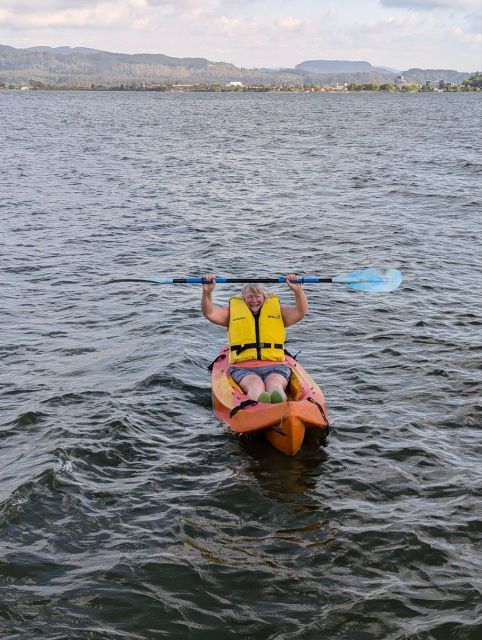
We decided to bypass Tauranga and head  directly to Rotorua. We found our accommodation, The Koura Lodge, on the outskirts of town, over looking the lake. The lodge had kayaks, which were free for guests to use, so obviously, they had to be tried.

For dinner, we went to the appropriately named Eat Street, which has numerous restaurants.

Day 19

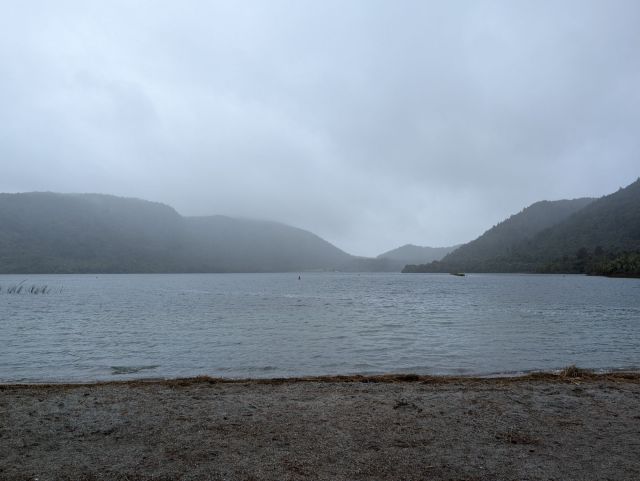
After breakfast, we decided to do some exploring. Unfortunately, the weather was less than perfect. Undaunted, we set off to find the Blue and Green Lakes.

Blue and Green Lakes looking grey.

The colours of the lakes are due to different chemicals in the water. But, I think that they need the sun to make the colours show up.

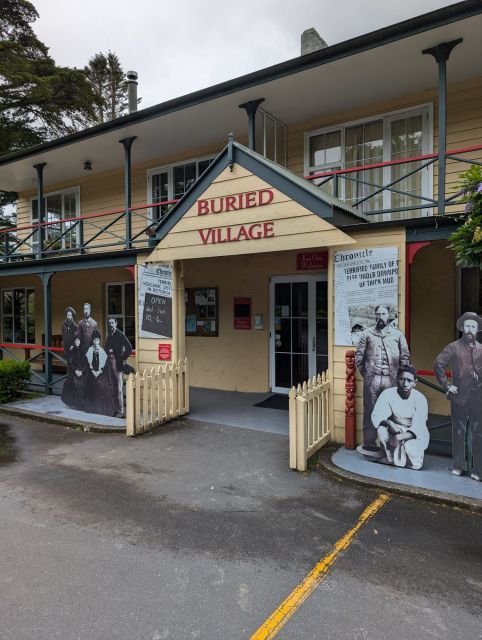
After our mild disappointment, we moved on to the buried village of Te Wairoa.

In 1886 Mount Tarawera erupted violently, completely burying two villages and destroying the famous Pink and White terraces. Follow the link for more information, or Google Mount Tarawera explosion.

The tour of the village starts with a Museum that gives the history of Mount Tarawera and the surrounding area. It tells how Te Wairoa came to be, and how it became a centre for c19th tourism.  It tells the story of the eruption, and how some people survived.

Moving on out into the remains of the village, we see various buildings that have been excavated.

The village also has a very good cafe, and a dressing up box – for adults as well as kids.

Diane found the dressing up box

Later on. we thought that we should see some thermal activity, because that is what Rotorua is famous for. The main park has lots of thermal springs and mud pools.

Not quite as hot as advertised above

The smell of the geothermal gas (sulphur dioxide) is all pervasive.

In the evening, we visited a Maori village for a cultural show. We had a “traditional” meal there. I will do a separate post for that.

Kiwi Dundee

Day 17 Tue Nov 12

This was one of the highlights of our trip so far. Based on the recommendations of many of their customers, our travel agents booked us on a tour of the Hahei area guided by Kiwi Dundee. Our Kiwi Dundee turned out to be a lovely, slightly eccentric, woman, named Adrienne. She picked us up from our digs around 9:00. We needed to reach Hot Water Beach while the tide was still low.

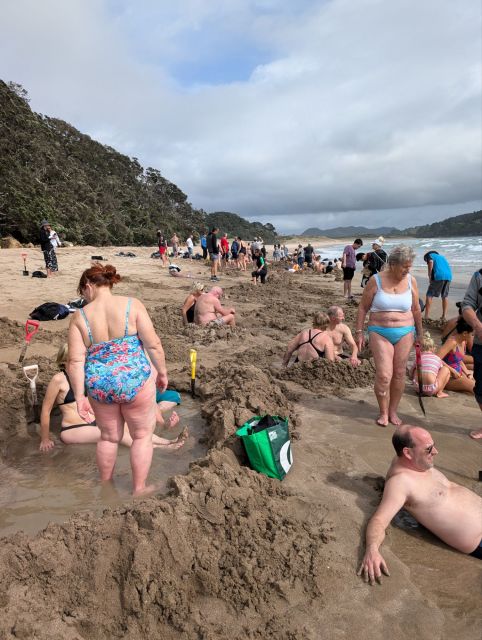
There are a couple of hot springs, which bubble up through the sand. People come equipped with spades to dig their own personal hot tubs in the sand. One of the springs is pleasantly warm, about 35-40 degC, the other is much hotter, probably about 55-60 degC. If you choose the hot one, well the sea is handy for cooling off.

Personal hot tubs
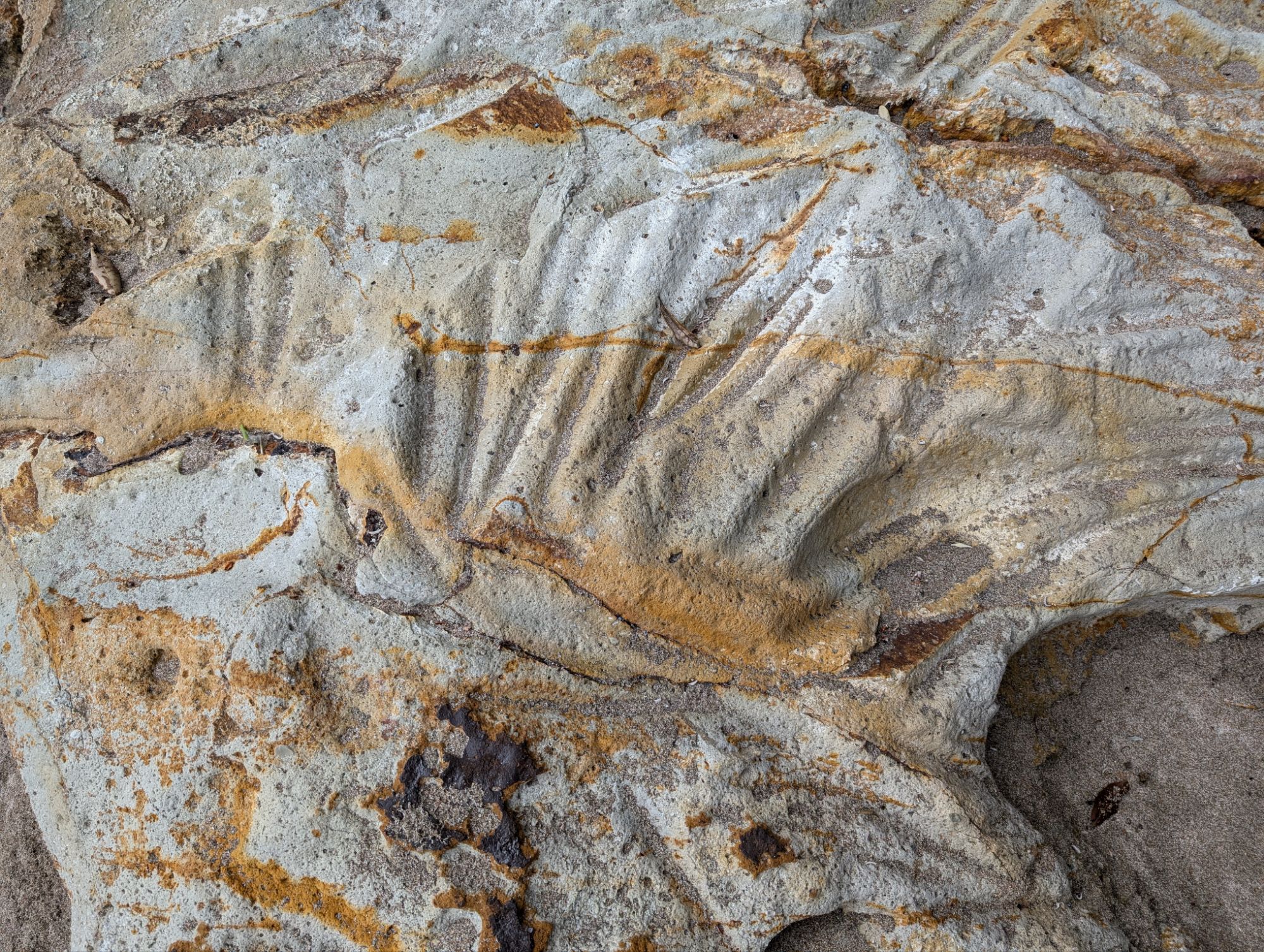
Ancient Maori sharpening stone. is

Adrienne showed us something interesting at Hot Water Beach. It was this stone. The Maori used this stone to sharpen tools and weapons.

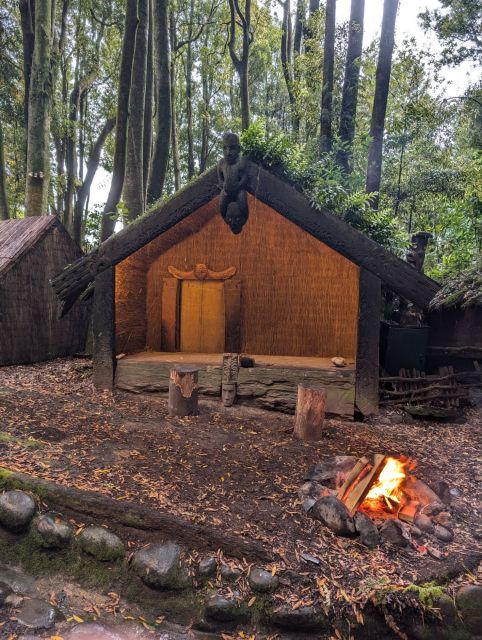
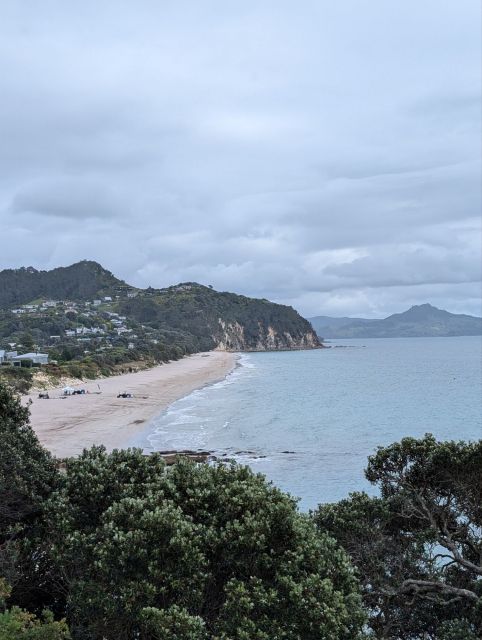
We moved on to look at the site of a Maori fortified village. On the way up to the top of the hill Adrienne explained how various plants were traditionally used.

View from the top.

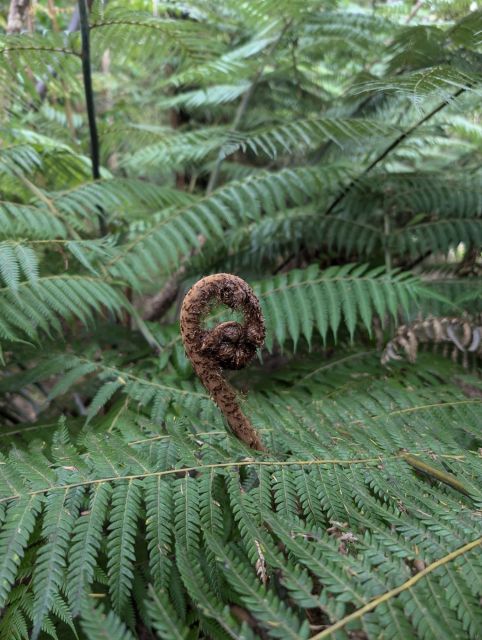
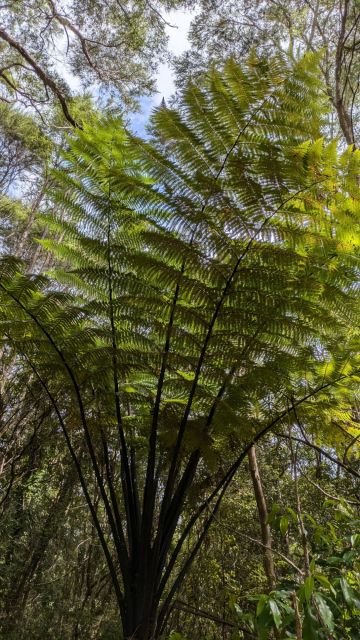
After that we stopped for lunch, before heading off for a walk in a native forest. She was very interesting and informed on the native plants, tree ferns, and Kauri trees. These trees are endangered partly because of past logging and Kauri dieback disease.

Tree Fern

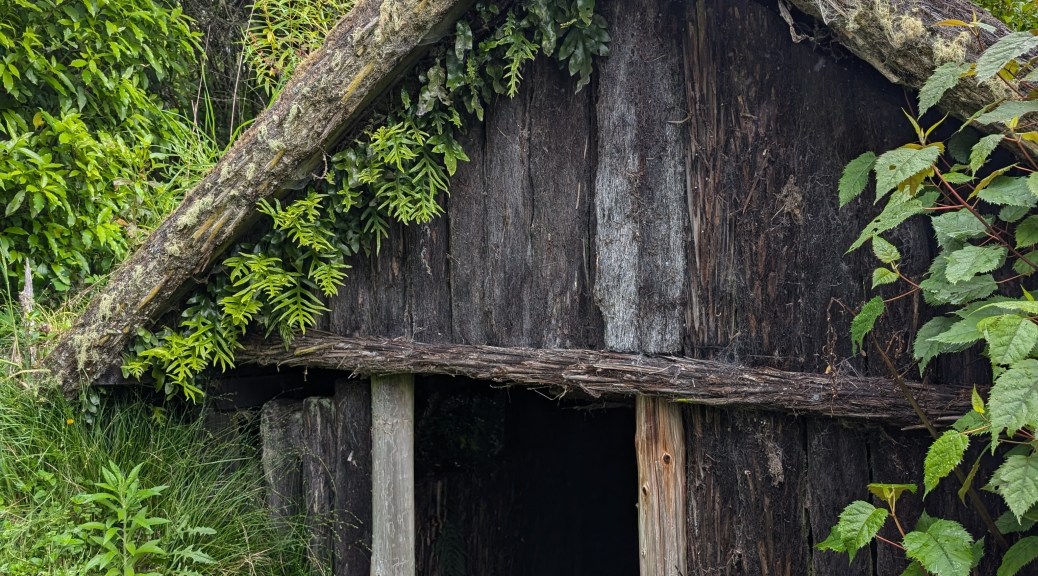
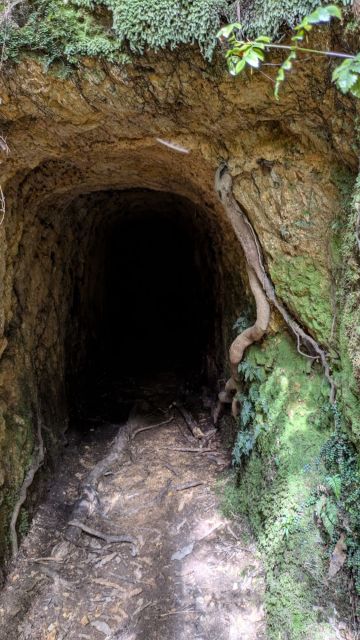
In the past gold mining took place in the area. We explored an abandoned shaft.

Mine shaft

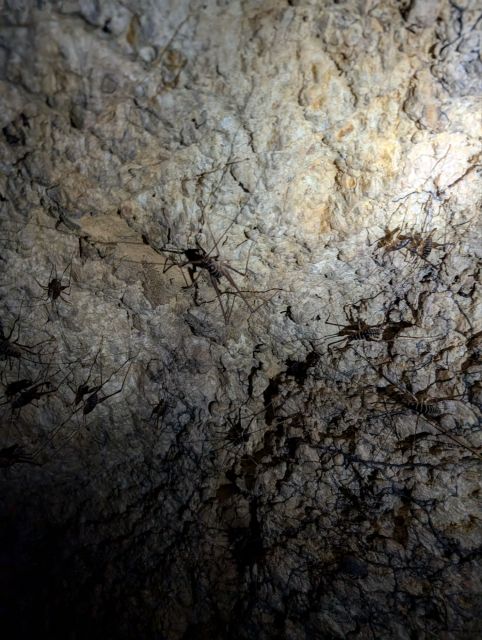
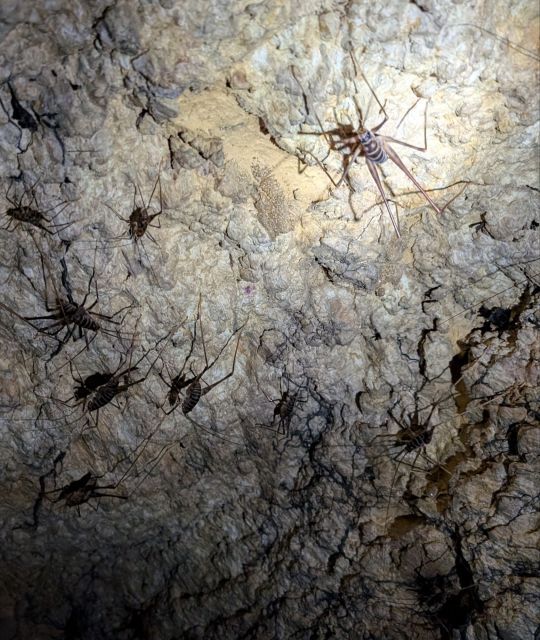
The local jail was also cut into the rock, today it is only used by the local Weta population.

Diane didn’t like the Wetas.

They look like big scary spiders, but they are not spiders. They are actually related to crickets and grasshoppers.

A really excellent day out. If you are in the area I would fully recommend it.

Kiwi Dundee is the name of the company that organized the tour.

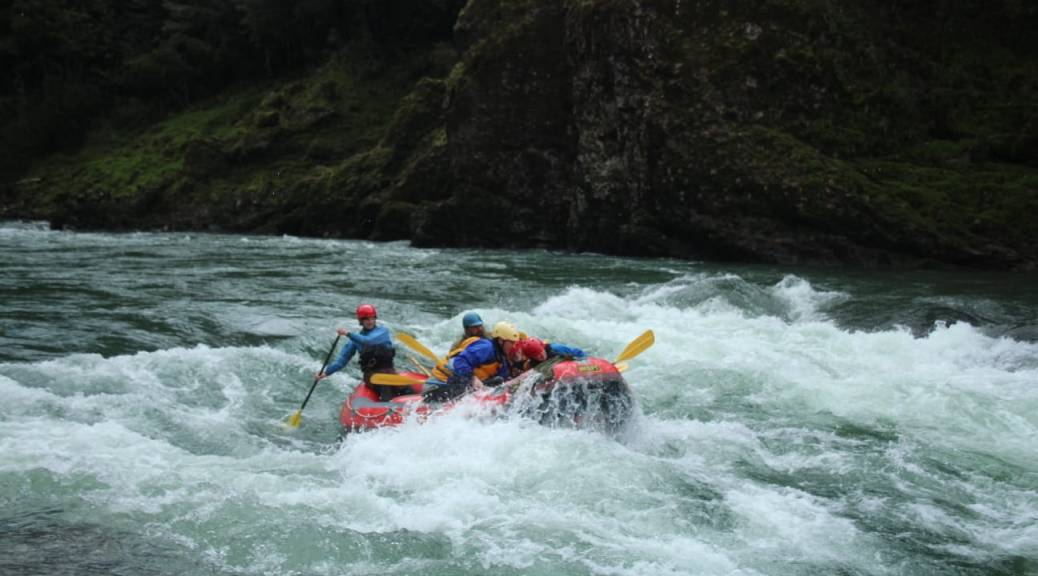
White Water Rafting down the Buller Gorge.

Day 25 Wed 20th Nov

I am jumping ahead a few days. We have been on The Mainland since Saturday. We have had a few adventures, which I will catch up on, promise. But I thought I would fill you in on today’s adventure.

It started last night. While searching for a place to stop for the night, we came across Riverside Holiday Park in Murchison. It seemed like a good place to stop for the night. In the hills, alongside the Buller River. As I was checking in Diane was looking through some leaflets. The one she picked up was for white water rafting.

“Does anyone do this around here.?” asked Diane.  The guy behind the desk said,  “We do them from here.” 

He offered to give us an extra night free if we booked a trip, so that was the deal sealed. 

We turned up at about one fifteen to meet our guides, fellow travelers, and get kitted out. The other couple on the trip turned out to live about a couple of miles away from us, in South Wimbledon. Small world.

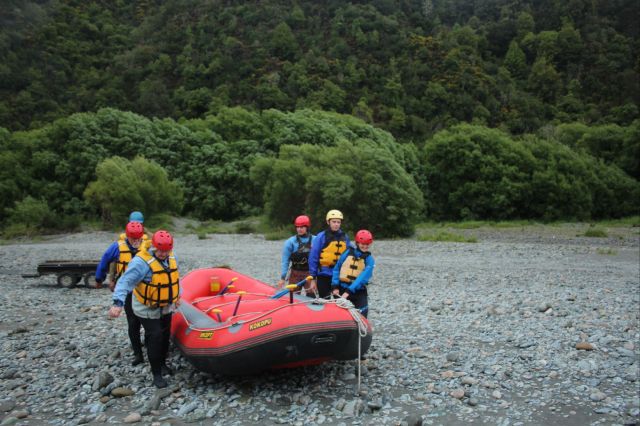
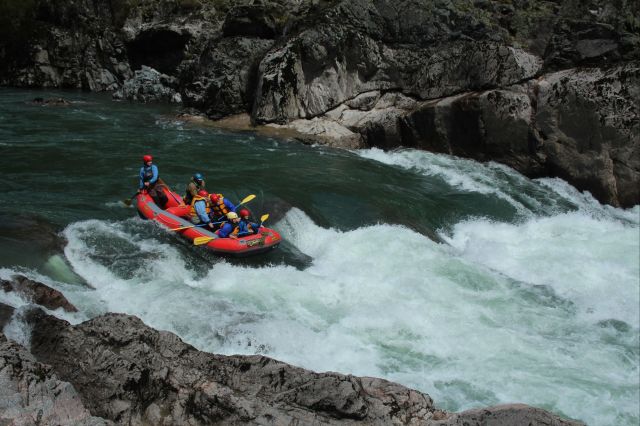
Getting into the gear was an operation, but I eventually managed to squeeze my gut into a wet suit. We set off to the launch site. Us four guests, Mila and Gordy, our pilots, and Sally, the van driver and photographer. Because if we don’t have photographs it didn’t happen.

After a short session of safety instructions and how to paddle, we were off  down the Buller River. I had been slightly concerned. I am not a very strong swimmer. Still, as someone pointed out, if you fall out in a rapid, you can’t swim anyway.

It was a wonderful experience, exciting, but never scary, even when I almost went overboard. Diane went overboard deliberately to float alongside for a few minutes, I declined.

The trip took about two hours and we rafted slightly over 8km down the Buller River.

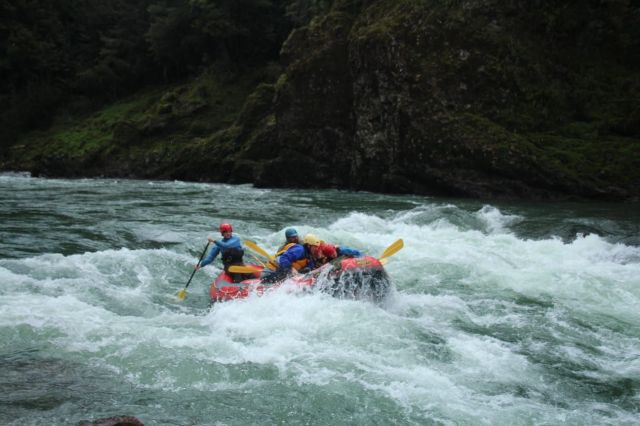
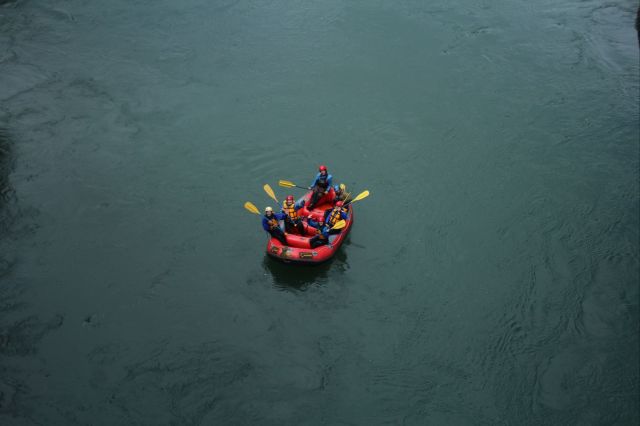
Below are some photos of us heading down the river.

Getting the raft in the river.
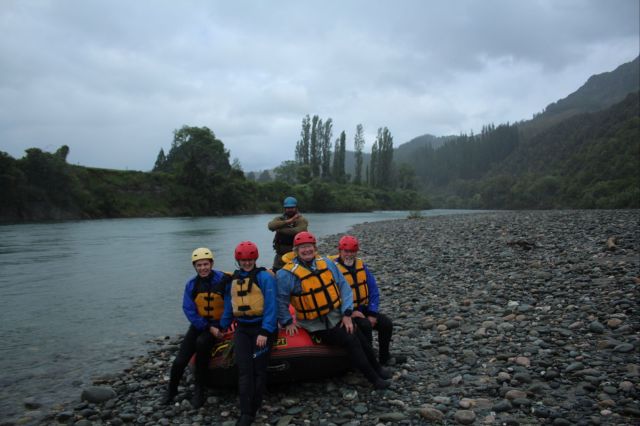
The obligatory group photo.

Thank you Ultimate Descents Aotearoa for a fun afternoon (with tea and cakes when we got back to base).

To finish off a great time in Murchison, we had dinner at The Cowshed, which also comes with our recommendation. In fact the whole village is recommended.

Auckland and the Coromadel

Day 16 & 17 Mon 11-Tue 12 Nov 2024

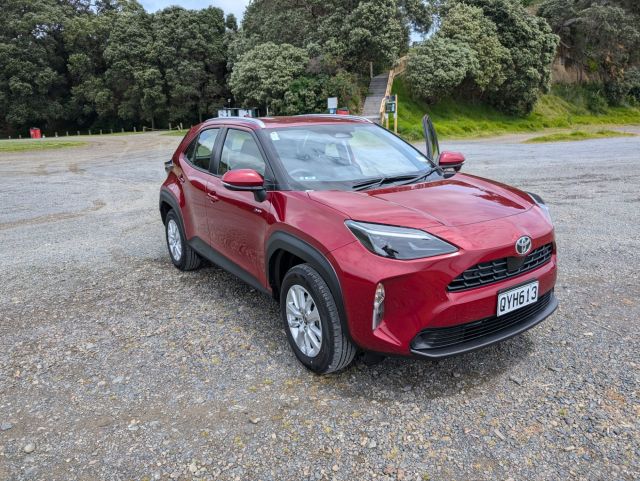
Time to leave the big city and head for the country. Our car this time was a little bit more environmentally friendly. It was also brand new. The Land Cruiser we had in W.A. had been to the moon and back.

Toyota Yaris Cross Hybrid

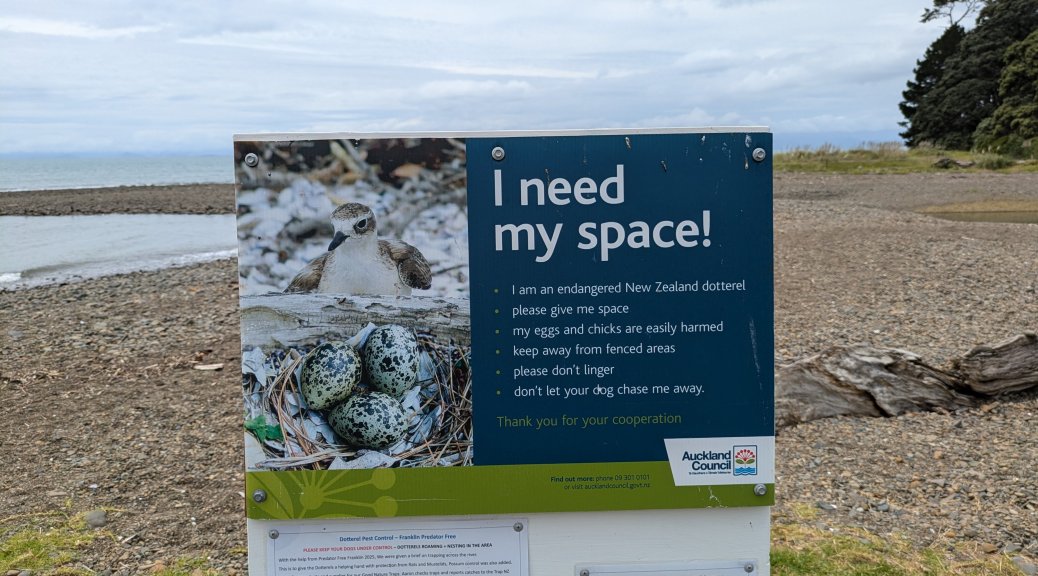
We were off to a place called Hahei on the Pacific coast of the Coromandel Peninsula. Google gave us a choice of two routes, straight down the Southern Motorway, or a windy route that followed the coast. We choose the latter. It took us via Kawakawa Bay and Ōrere Point to the Stray Dog Cafe for lunch. Along the way we met some Dotterels which are very cute shore birds.

We arrived at Hahei Bed and Breakfast, our digs for the next two nights, about four in the afternoon. It is run by a lovely couple, who cook a very good breakfast, and I would recommend the place fully.

They don’t do evening meals, but there are a few options close by. The Church Bistro is said to be very good, but unfortunately was closed on both days we were there. When the tourist season gets fully underway, it opens seven days a week. We chose The Pour House, yet another antipodean craft brewery, but a rather good one. They also do good food. So good, that we ate there both nights.

The main highlight of our time in Hahei was our trip with Kiwi Dundee. I decided to make a separate post about it as there was a bit too much to include in this one.

Auckland, you’ve changed..

and what have you done to The Lion Tavern?

Day 15 Sun 10th Nov 2024

Yesterday was essentially a recovery day. So to a certain extent was today. We managed to sleep late enough to miss breakfast at the hotel, and they serve breakfast until 11:00 on Sundays. Fortunately there was a cafe across the street that was still doing breakfast. 

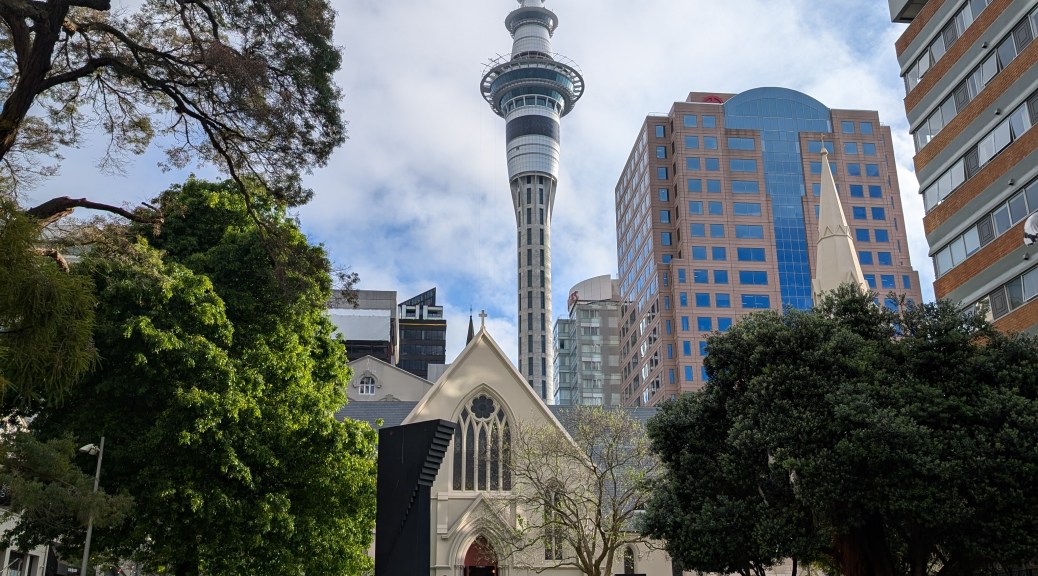
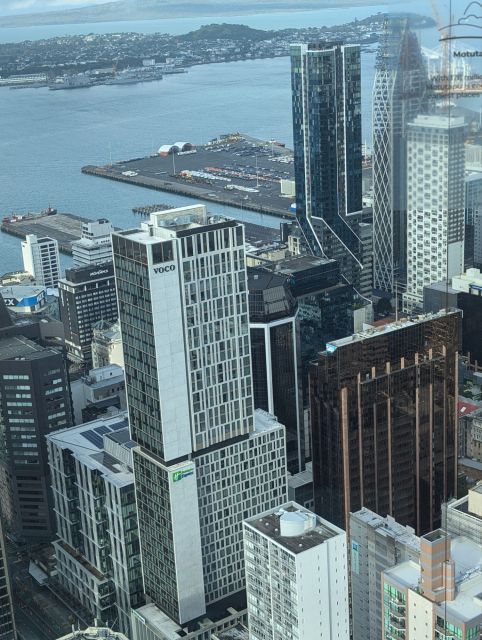
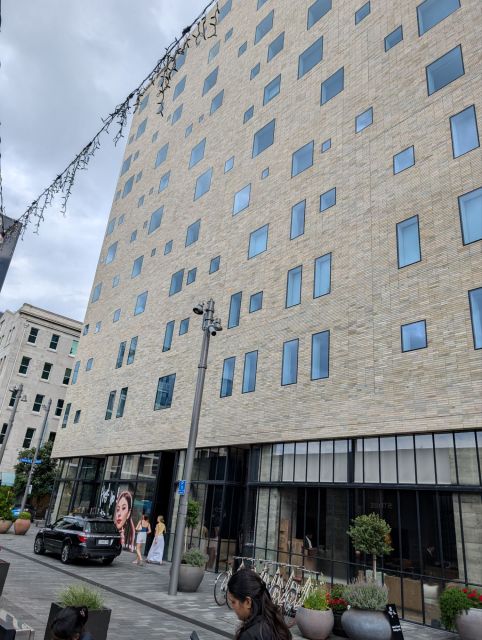
Looking around the area near our hotel, the obvious change from forty years ago is the height of the buildings. Forty years ago, most buildings downtown were three to six stories, built in, for want of a better architectural term, colonial style. Today most of the buildings are international concrete and glass, though a few older style buildings remain.

The other major major change is beer. In 1980 there were two choices, Lion Brown, on draught, or Lion Red in bottles. If you were feeling sophisticated Steinlager was usually available.

When we went for dinner, at the Brit Pub, on our first night there was a choice of about fifteen beers, local and international. I decided on a Lion Brown, in a can, for old times sake.

Over breakfast we had made our plans for the day. We decided to go to the Auckland Art Gallery as it was a short walk from where we were.

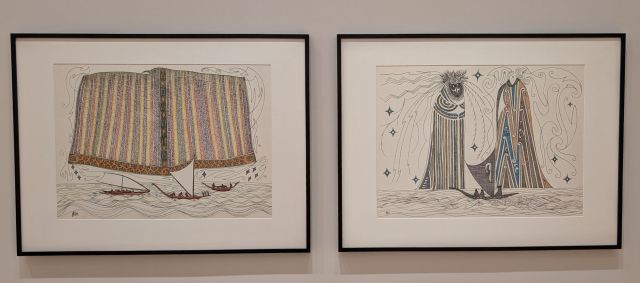
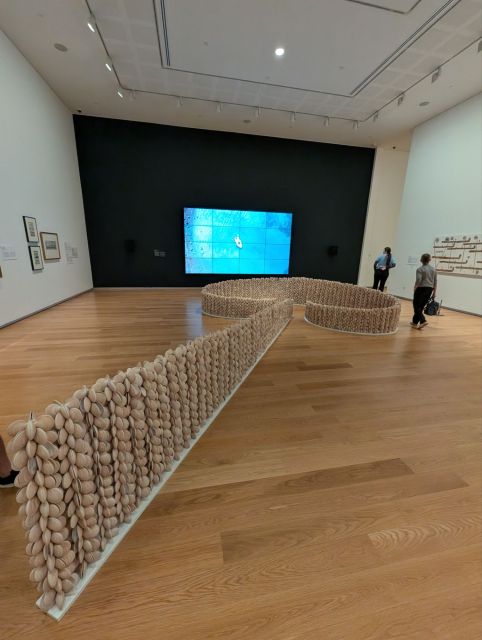
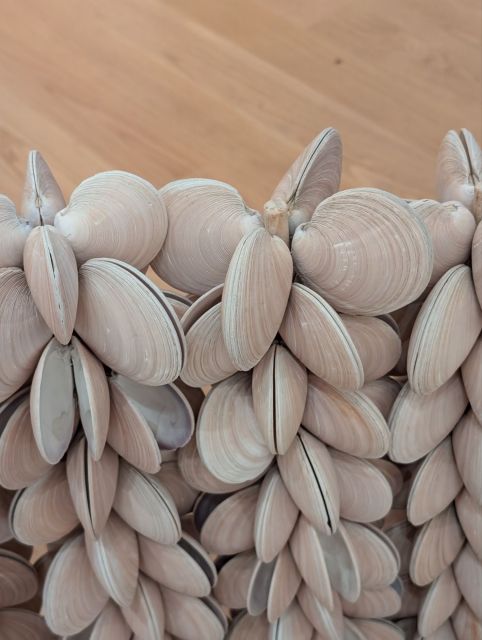
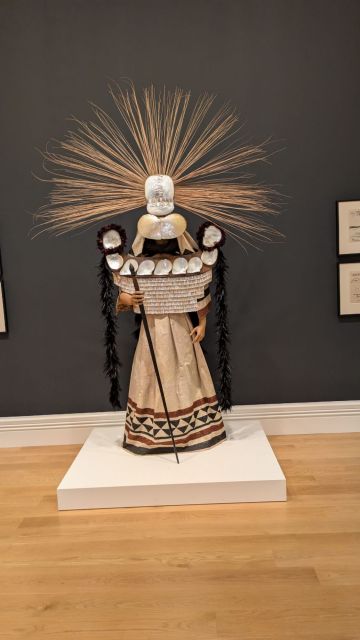
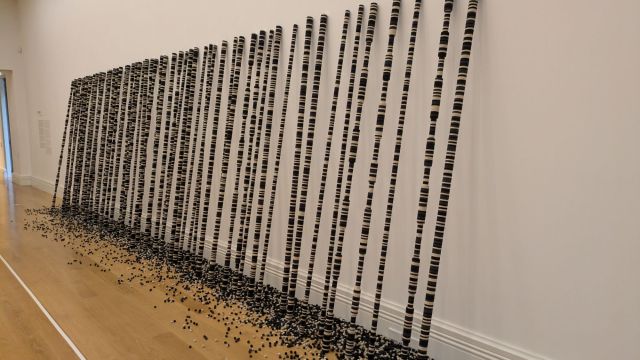
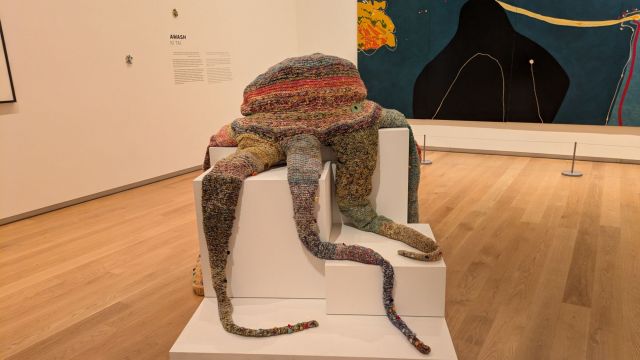
The ground floor housed an exhibition (although it may be permanent) depicting Maori, Polynesian and European perspectives and relationships to the sea and shore.

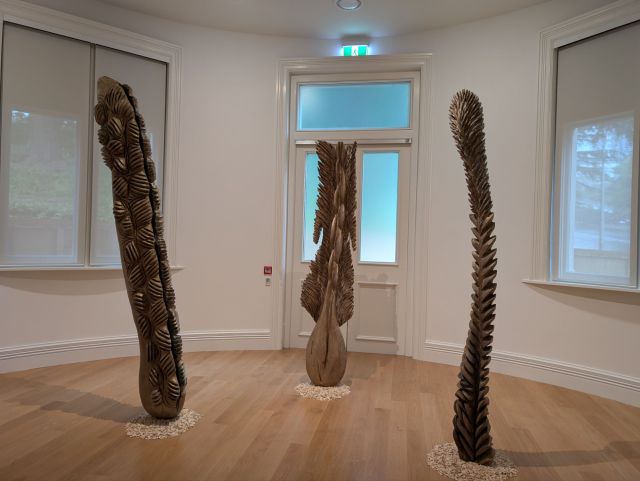
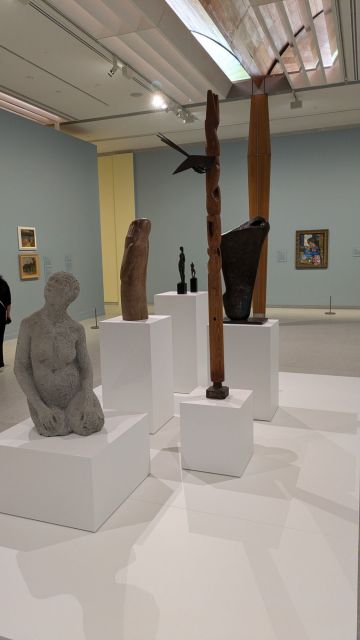
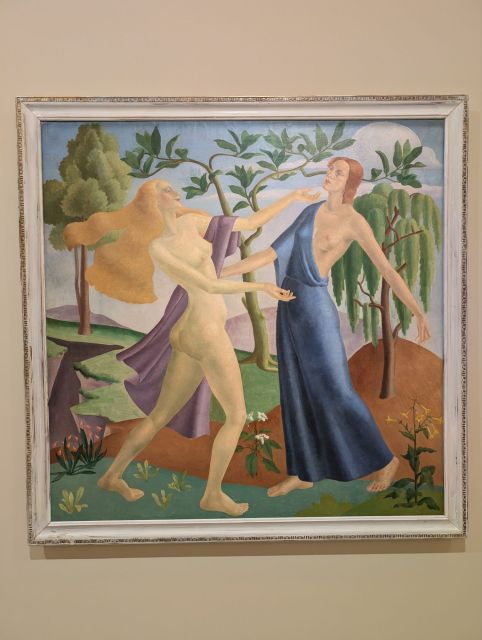
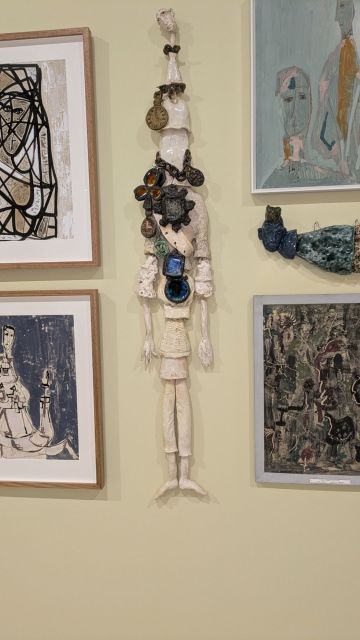
The second and third floors house, for want of a better description, European art from c16 to c20. All perfectly good stuff. There is a Pieter Brueghel the Younger, a couple of Picassos, some works by Matisse, for example. But nothing that you wouldn’t find in a gallery in Europe. What you won’t find in a European art gallery is work by Maori and Polynesian artists. Nor will you find work by female New Zealand artists.

I won’t say that they are better artists than Picasso or Matisse, but I feel that they deserve recognition. One artist in particular caught my attention,  A Lois White. She really should be better known internationally.

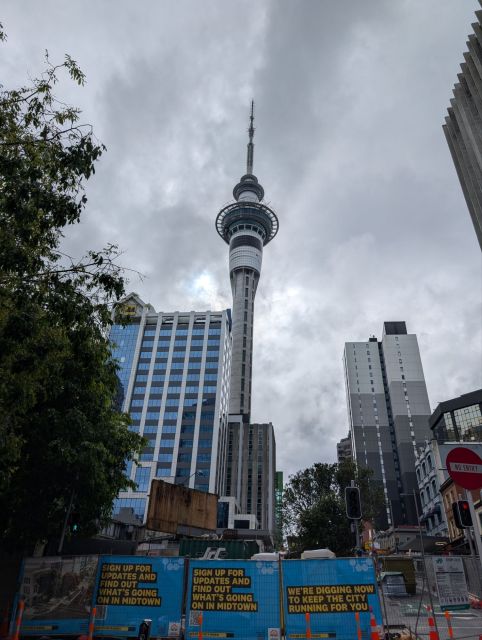
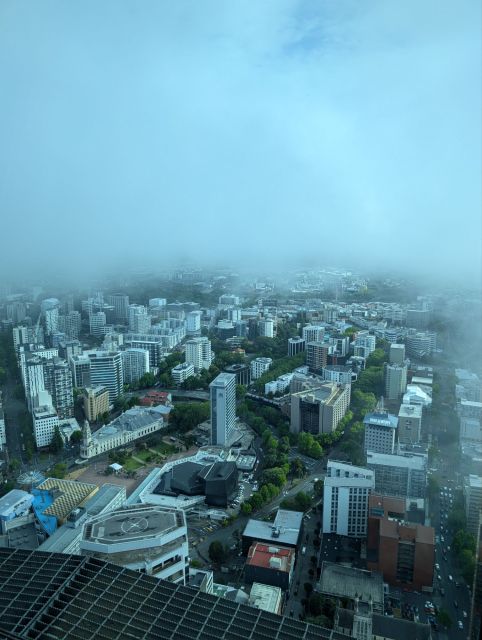
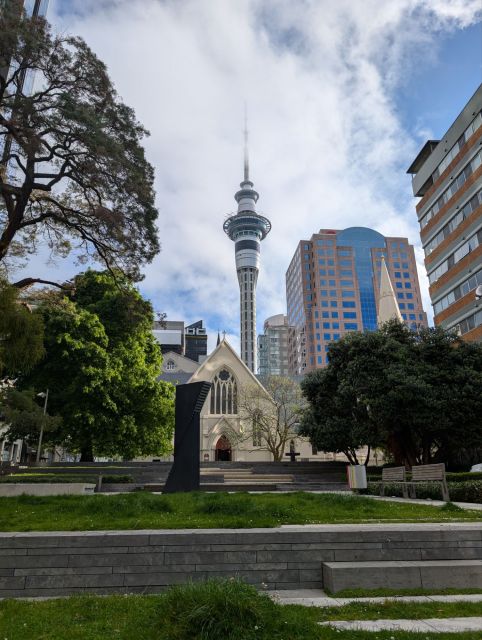
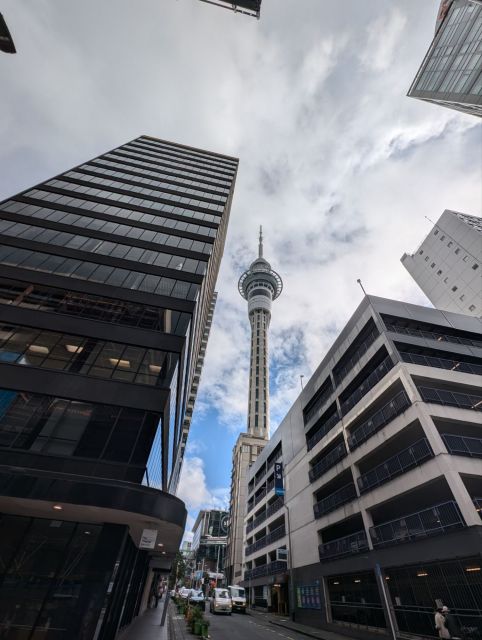
After our cultural break we went to find the Sky Tower. We could see it from our bedroom window and thought we should go up it.

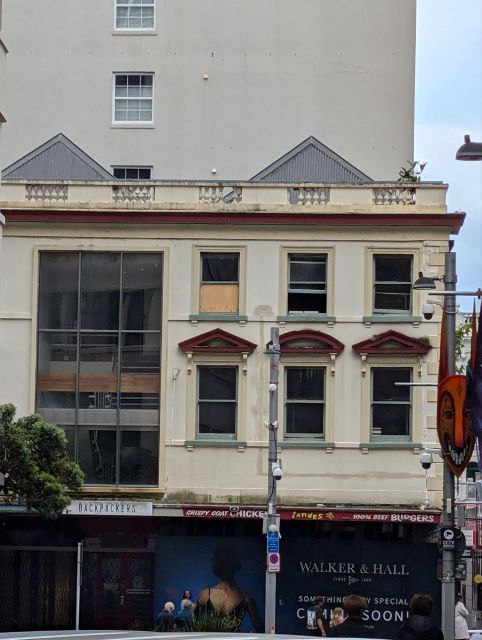
On the way there I found what had happened to the Lion Tavern, the start of many a run ashore in Auckland.

This was the Lion Tavern

It doesn’t exist anymore. The building is still there but looks semi derelict, waiting to be turned into another glass and steel office block.

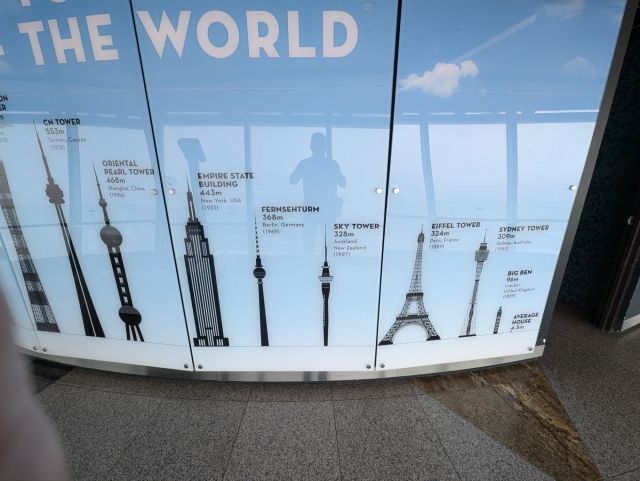
The Skytower, is I think still the tallest building in New Zealand. There is also one other important fact. The Auckland Sky Tower is 19 m taller than the Sydney Tower, mainly due to the radio antenna. It is also slightly taller than the Eiffel Tower.

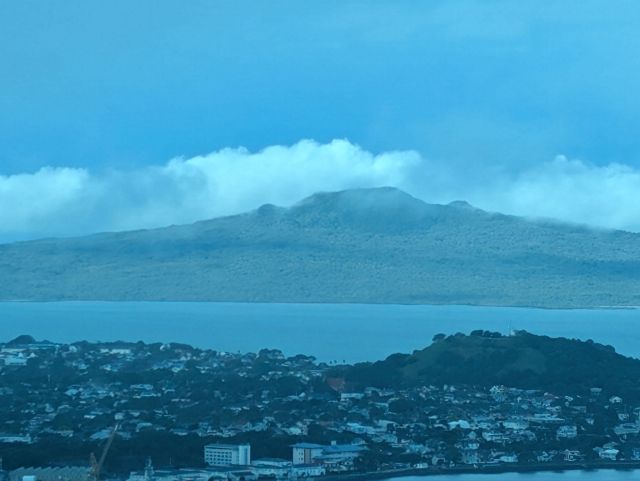
The view from the top could have been spectacular, but the cloud base descended.

Dinner was at a place called The Angus Steak House,  The steaks were large but well cooked.

Our hotel in Auckland, The Hotel Britomart, was excellent. Possibly not the cheapest digs in town but we would recommend it fully. The staff couldn’t have been more helpful. They also have bikes available for the use of guests.

Goodbye W.A. Kia Ora Aotearoa

Days 13 and 14

8th/9th Nov 2024

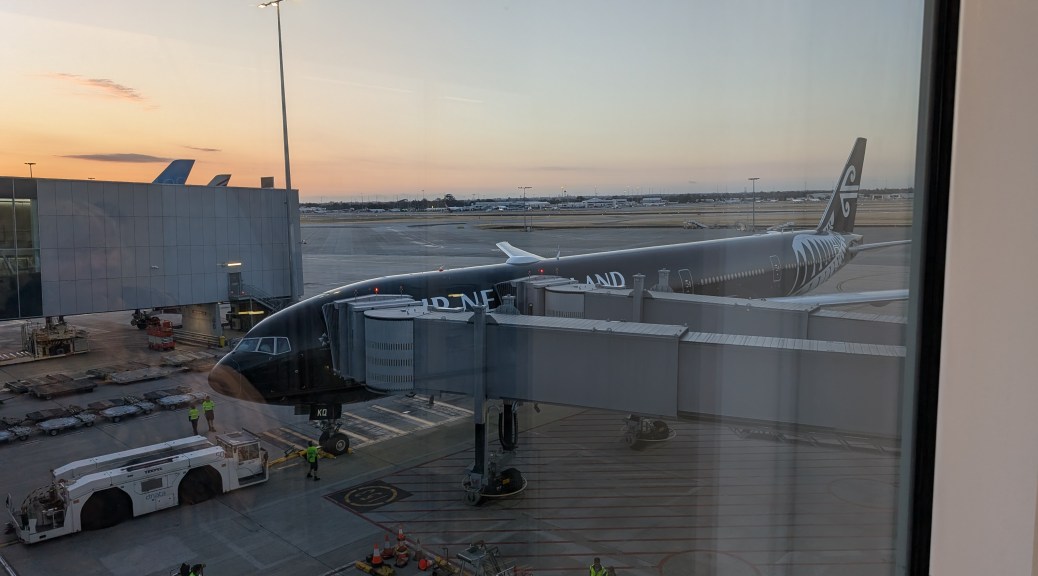
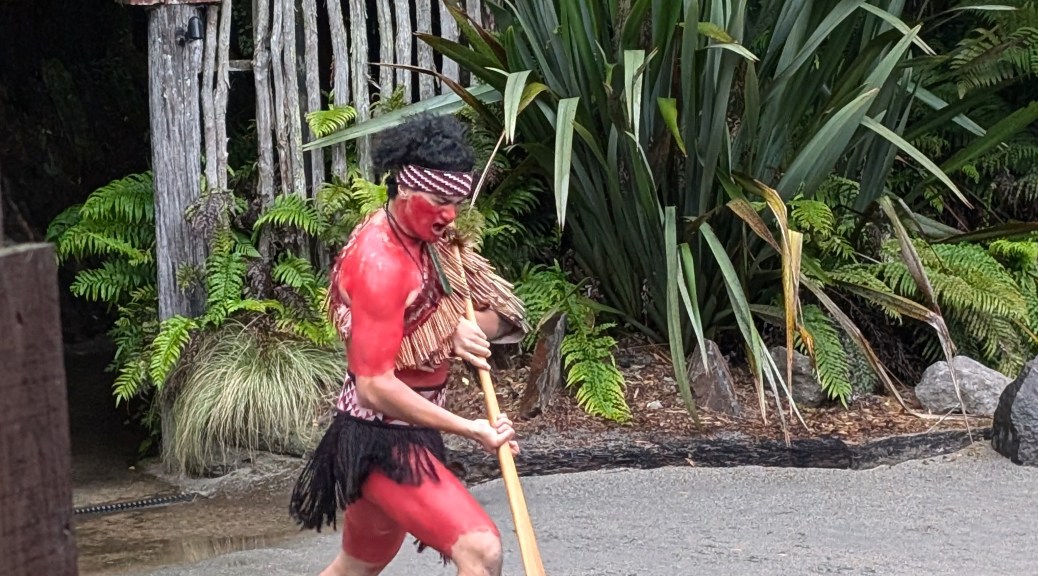
Our time in W.A. has come to an end. We packed our bags and headed back north to Perth. A moderately boring three and a half hour drive, enlivened only by a failed attempt to take a photo of one of the plastic cows in Cowaramup, through the window of the Land Cruiser.
We had a short stop in Bunberry for lunch and a detour into central Perth to drop Brian off at his hotel. He was heading to Adelaide in a couple of days. We were headed to the airport, had something to eat, then settled down to wait for our flight.

An overnight flight that leaves at 19:00 takes six hours and arrives at 06:00 the following day, is not my idea of a fun flight. On arrival, we were awake enough to remember to dump our uneaten bananas in the quarantine bin. NZ is quite strict about food and livestock imports. Also awake enough to find our driver.

He took us to our hotel. We expected that we would have to wait until afternoon to check in, but they said that the room was ready at 8:30 a.m.

We had a shower, went back down, and had breakfast. After breakfast we decided that a nap was required.

When we woke up we went off to explore Auckland and see if it had changed in the thirty five or so years since the last time I was there. Short answer, it has, a lot. More information in the next post.