All posts by A Scotsman in Suburbia

I am not a Grumpy Old Man I am a middle aged man who occasionally gets slightly hacked off with things. My politics are greenish and to the left of centre. I am married again, following being widowed. I own two bikes, one car, one campervan and half a cat. I love cycling (hence the bikes) and cycle sport especially road racing. During the winter I enjoy watching football (soccer if you are North American). I sometimes paint and enjoy cooking and eating.

Exploring Global Whisky: A Personal Advent Calendar Journey (The conclusion)

With Christmas Day my Advent Calendar came to an end. There are no more whiskies to try. (In my Advent Calendar). There are still thousands, millions maybe, of whiskies still out there. I can drink a different whisky every day, from today until I run out of breath. By then, I would just about have scratched to surface of all that this wonderful drink has to offer.

Dec 25th – Christmas Day

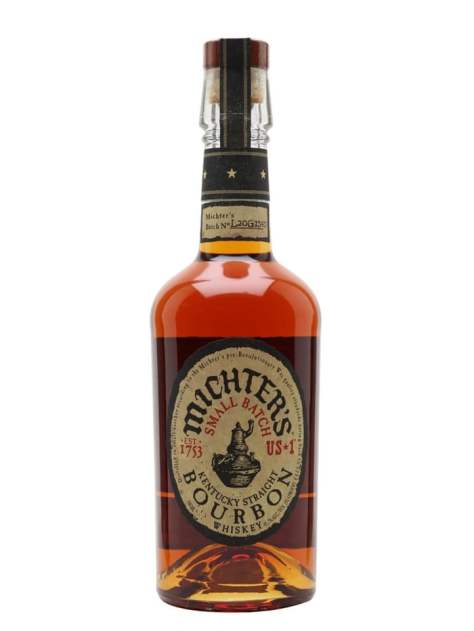
Our final whiskey is a Bourbon from the United States, from Kentucky to be precise. Made by Michter’s, they claim to trace their lineage back to America’s first whiskey company in 1753. I do suspect that whiskey had been produced unofficially long before then.

It is Michter’s US★1 Kentucky Straight Bourbon. It has an ABV of 45.7% and is dark amber in colour. Its nose has leather, dried fruit and just a hint of smoke. They char their barrels, and I think that is where the smoke comes from. On the palate I got sweetness, somewhere between maple syrup and caramel, with nutmeg and cinnamon. Followed by a hint of the oak char.

I enjoyed tasting this whiskey. Online the price it is offered at varies considerably. But I think it is reasonable value. It and the other Bourbon (Maker’s Mark) in the box have made me think. I should try a few others.


My Advent Calendar whisky journey has taken me from the far North of Sweden, south to New Zealand, then west to Kentucky and Tennessee, in the United States, and east to Japan and Taiwan. We have visited quite a few other countries on route.

I won’t say I liked every every whisky, but I did enjoy the experience of trying them. As the blurb on the box says, in the worst case scenario, it saves you from having twenty-five nearly full bottles of something that you don’t really get on with. Every whisky drinker has one or two of those.

There are a few that I wouldn’t drink again. There are many that I would happily accept as a gift. Some of them I would pay hard-earned cash for.

I didn’t get on with any of the Rye whiskies. I was surprised by how much I liked the Bourbons. I have never been a fan of sherry cask whiskies in the past. However, I was surprised by a couple of them. When it came to the whiskies that I liked best, I am a huge fan of Islay malts. Especially the slightly less peat prominent ones, like Caol Ila. So it is no surprise to me that the two whiskies I liked best, have similarities to Islay Malts. Those two are the Connemara 12 year old and the Yoichi single malt.

All of this is purely my personal opinion and taste. As I said right at the start, I am no whisky expert, just someone who enjoys a dram. And I did enjoy these twenty five, very different drams.

Exploring Global Whisky: A Personal Advent Calendar Journey (Part 6)

I am coming to the end of my Advent Calendar. I have five more whiskies to experience. I shall write about the next four (up to Christmas Eve) in this post. I will do a separate post about the Christmas Day whisky. Which I hope will be something special, but fear will be the World whisky equivalent of a generic blended Scotch.

I will also try and summarise my experience. I will try and decide my favourite whisky from the twenty five.

Dec 21st

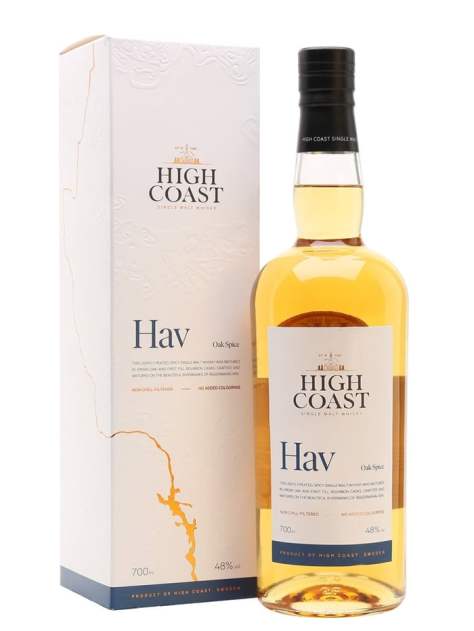
Today’s whisky comes from Sweden. The distillery is near the coast of the Gulf of Bothnia, about five hundred kilometres north of Stockholm.

High Coast Hav comes in at 48% ABV. “Hav” is the Swedish word for sea.

It has an attractive pale amber colour. I found notes of peat, smoke and oak on the nose. Tasting it gave me fruit, spice and peat smoke.

This was another whisky that I found a drop of water helped to open the whisky up.

The distiller likes to experiment with different mash combinations. They use a variety of barrels to achieve different effects on the final product. Clearly, in this case the experiment works. This was a whisky that I liked. While it is not cheap I feel that it is reasonably priced.
Dec 22nd

We are back to Ireland to sample another Mitchell and Sons Spot Whiskies. We tried their Red Spot on the 17th.

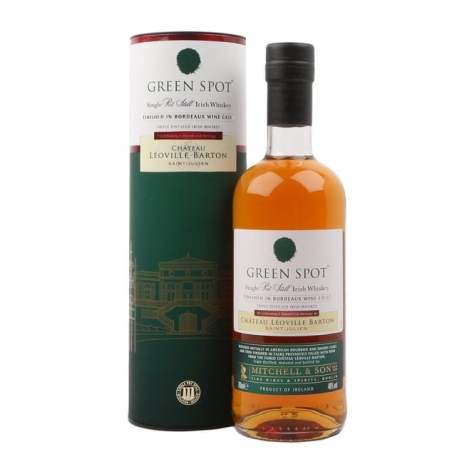
Today’s offering is Green Spot Single Pot Still Chateau Léoville Barton Bordeaux Cask

Taken from the Website:
Green Spot Château Léoville Barton represents the coming together of two historic families, two stories of Irish endeavour and enterprise who together are the inspiration for this special edition whiskey.
Our whiskey is finished in Château Léoville Barton French oak casks, the very casks that play a vital role in the wine’s distinctive balance, bouquet and flavour, that we’ve used to bring something extra to our Green Spot Single Pot Still Irish Whiskey
.

As you can see from that, the whiskey is finished in Bordeaux Casks. This is where, I would suppose, that the very dark gold colour comes from. The nose, I found is heavily influenced by the cask. I got fruit and wine as the main elements . Taste wise fruit and spice were the main elements.

I have never been totally convinced by wine barrel whiskies. This one did nothing to change my mind.

Dec 23rd

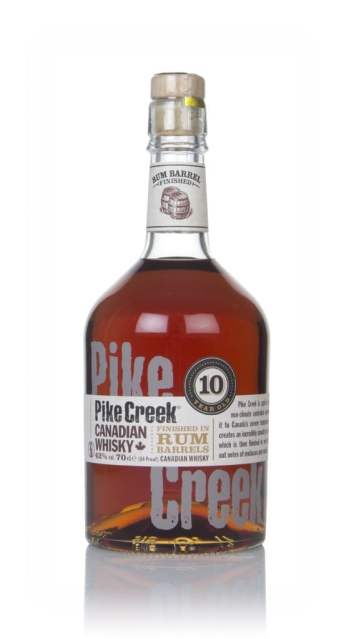
The whisky today comes from Canada. It is made by Hiram Walker. It is a blend of Corn and Rye whiskies aged in rum barrels

Pike Creek 10 year old comes in at 42% ABV. It is brown in colour. on the nose I found that the rum cask was the predominant theme, followed by a hint of sweetness. Taste wise, again rum was prominent, as well as spice from the rye and sweetness from the corn.

This was a pleasant enough whisky. It is reasonably priced, but there was nothing about it that said, “buy me”

Dec 24th

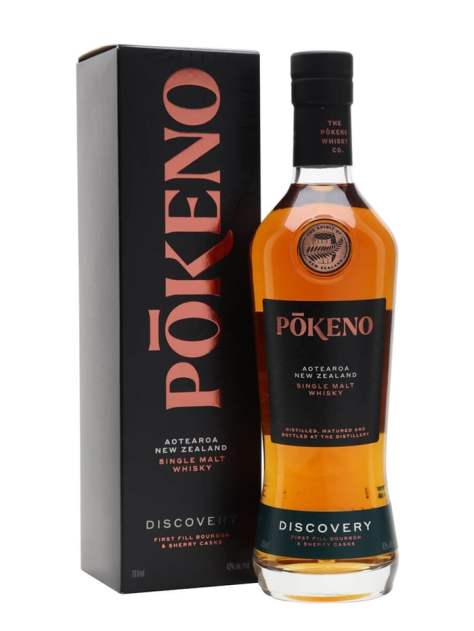
Our Christmas Eve whisky came from New Zealand. When we were on holiday there, last year, I found that New Zealand creates some very drinkable whiskies. The Cardrona distillery produced some exceptional ones. The Cardrona distillery is situated in the South Island. Today’s whisky is produced in the North Island, in the small town of Pokeno, about fifty kilometres south of Auckland.

Pokeno Discovery is a single malt with a 43% ABV. It is matured in Bourbon casks and Oloroso sherry casks. It has an amber colour. I found the nose to be fruity with a hint of honey. Its palate gave me dried fruit and cinnamon, with a hint of chocolate.

This was a whisky that I enjoyed drinking. I was one of the few that I did not feel the need to add water to. Most of the others needed a drop of water, either to open them out, or in some cases alleviate the alcohol burn.

It is not a cheap whisky but I would say worth paying for.

Exploring Global Whisky: A Personal Advent Calendar Journey (Part 5)

Dec 17th

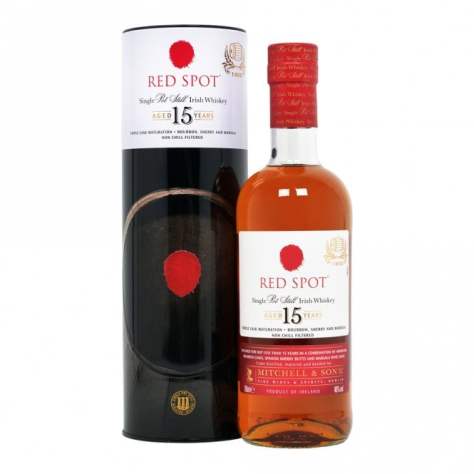
For today’s whiskey we go back to Ireland. Red Spot is a 15 year old single pot still 46% Irish whiskey. Matured in Bourbon, Sherry and Marsala casks, it is amber in colour.

On the nose I got fruit and nuts. Taste wise, there was again fruit, with a hint of pepper, and vanilla. While I found that it was fine straight from the bottle, a couple of drops of water improved it. This opened it out.

I quite like this whiskey. The price tag is well over £110 for a bottle though. I didn’t like it enough to pay that money.

Dec 18th

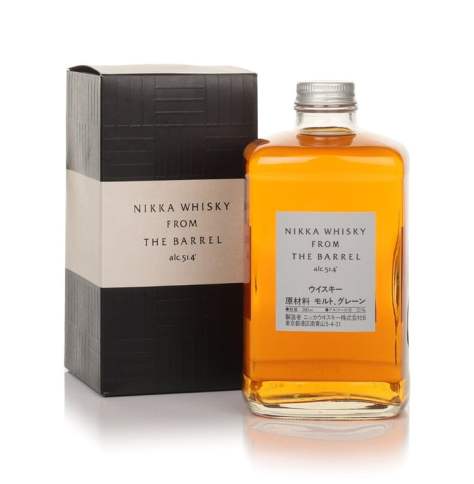
This Japanese whisky is the only one in the calendar, so far, that I have previously drunk. I was given a bottle as a gift by my step-son who had been on holiday in France. I don’t know why someone would buy a bottle of Japanese Cask Strength whisky in France. Especially as a gift for a Scotch whisky drinker. It does mean that I have a 50 cl bottle of Nikka from the Barrel sitting on my sideboard. It comes in at 51.4% ABV. It is blend of various malts and grain whiskies.

It is pale amber in colour. I found caramel and fruit on the nose. The palate gave me toffee, a hint of fruit and chili. Though as with most whiskies over 45% ABV, I needed to add a drop of water to get the nose and the palate to open out.

This is whisky that I would recommend.

Dec 19th

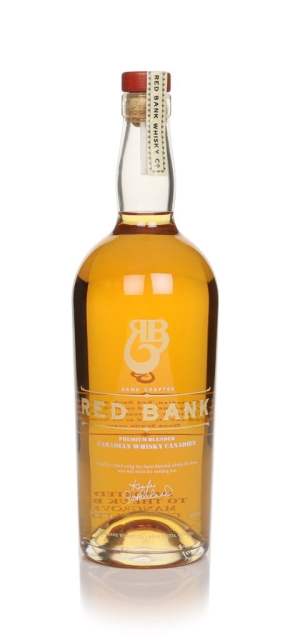
Our whisky adventure takes us to Canada today. To Nova Scotia to be exact. Nova Scotia, having been settled mainly by the Scots, has probably been producing whisky since the c17th. Red Bank, which has the actor Keifer Sutherland as one of its founders, only goes back to 2022

The Red Bank Blend comes in at 40% ABV. It combines mainly wheat whisky, with corn and rye whiskies also added. This process gives a reasonably balanced and quite drinkable product.
The colour is pale gold. I found fruit and oak on the nose. The palate was sweetish, with some fruit and spice. It was a pleasant enough whisky, but without anything to make it stand out from the pack.
Dec 20th

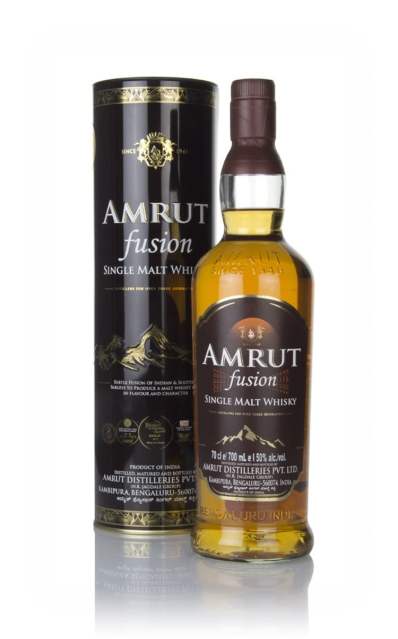
We journey back to India for today’s offering. I wasn’t too sure what to expect of this whisky. I was not overly impressed by the last Indian whisky in the calendar.

Amarut Fusion single malt comes in at 50% ABV. It has an amber colour. The nose gave me smoke and fruit, with a hint of sweetness. It tasted of pepper, oak and sultanas, with a gentle touch of peat smoke. Again I felt that a little water opened up both the nose and the palate. I liked this Indian whisky much better than the first one.

Click on the names of the whiskies. You can also click on the pictures of the bottles. Both actions will take you to the appropriate distillery website.

Exploring Global Whisky: A Personal Advent Calendar Journey (Part 4)

Moving on, with my thoughts on the next four whiskies in my advent calendar. Blogging about the very varied whiskies that I am finding in the calendar is an interesting experience. I am finding that it is making me think about what I am drinking. Instead of just drinking the day’s whisky, I reflect on it. I consider whether I like it or not and share my thoughts. Drinking mindfully, if you like.

Dec 13th

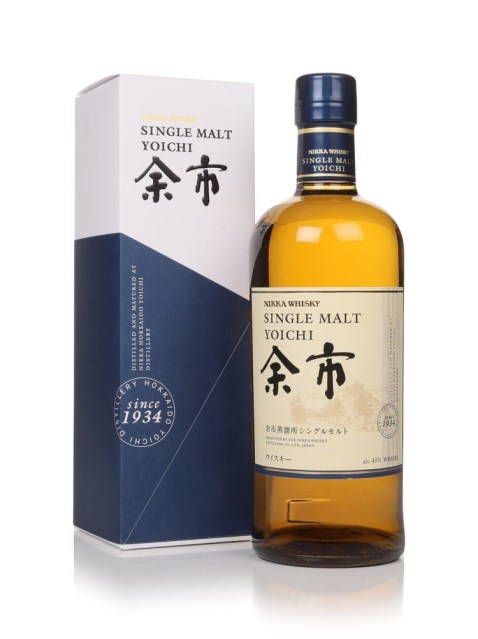
We journey back to Japan for today’s whisky. The Yoichi distillery has been producing whisky since 1934. It is situated in Hokkaido, in the far north of Japan. Their stills are heated by coal fires, which gives their whiskies some of their character.

My whisky today, was the Yoichi single malt with an ABV of 45%.
It has a lovely pale gold colour. I found the nose had a little bit of smoke, sultanas, and other fruit. The palate had apples, honey, and citrus, with a hint of spice.

This was whisky that I liked a lot.

Dec 14th

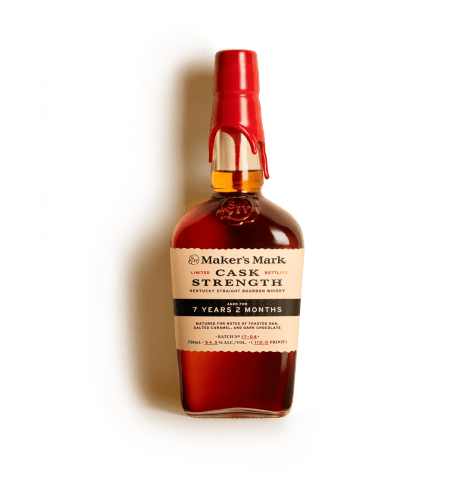
Today’s whiskey surprised me. I have mentioned, in an earlier blog, that I am not generally fond of cask strength whiskey. But I found that the Maker’s Mark Cask Strength Kentucky Bourbon at 55.1% ABV was surprisingly approachable, even before the addition of some water.

The colour of the whiskey is dark amber, almost brown. Its nose gives aromas of vanilla and maple syrup. On the palate I found, caramel, chocolate and spice, with a slightly herbal finish.

I found that the addition of a little water opened up the nose. It also enhanced the palate. But, I found it very drinkable at cask strength.

Dec 15th

For today we have an English whisky. Fielden is an English Rye Whisky at 48% ABV. According their website the name “Fielden” comes from the Old English and means “from the fields”, or “of the fields”. They apparently use rye wheat and barley in various combinations. Still, I am fairly sure that my whisky was at least 50% rye.

Colour wise the whisky is an attractive amber. It has quite a floral and sweet nose. Taste wise, like the earlier rye whisky, it had a hint of rye bread, as well as nutty sweet marzipan notes.

It wasn’t a whisky that I was particularly fond of. I have never drunk that much Rye whisky in the past. It is possible that they are not my thing, or that I have yet to discover the one for me.

Dec 16th

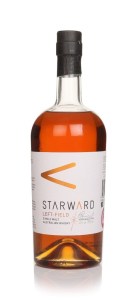
Our whisky today comes from down under. Melbourne to be precise. The Starward distillery has been making whisky since 2007. Recently they have been exporting to the UK. I noticed a bottle of today’s sample in my local Waitrose.

Starward Left Field single malt comes in at 50% ABV.
It is very dark in colour, almost brown. The predominant note on the nose is fruit. The whisky is matured in red wine casks. (There is a lot of wine produced in Victoria.) So I assume that is where the colour and the nose come from. The palate is fruity and quite sweet, I would describe it as a biscuit sweetness.

I tried the whisky as it came and also with a drop of water, but it didn’t appeal to me. I calls itself “Left Field” and their website talks about “moving beyond tradition”. Often things are done traditionally, because that works.

Click on the names of the whiskies. You can also click on the pictures of the bottles. Both actions will take you to the appropriate distillery website.

Exploring Global Whisky: A Personal Advent Calendar Journey (Part 3)

We are moving on to the next four whiskies.

Dec 9th

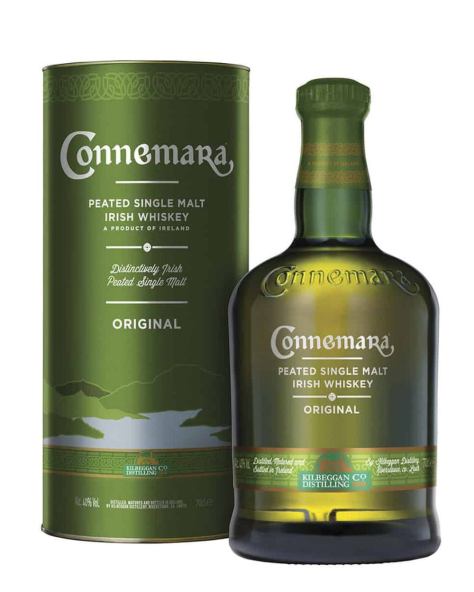
Today’s offering is another Irish single malt. This time it is the Connemara 12 year old with an ABV of 40%. It is apparently the only peated Irish malt. This surprised me, given the amount of peat to be found in Ireland.

It has a pale straw colour. The nose is essentially smoke and peat, but not overwhelming, like say Laphroiag. There is also just a hint of lemon. On the palate, there is smoke, obviously, but there is also a hint of sweetness and vanilla.
I liked this whiskey a lot. I am a big fan of Islay malts, and this could almost be an Islay malt

Dec 10th

Taiwan is not a country that I would have thought made whisky. Today’s whisky, though, comes from Taiwan.

Ka Va Lan Single Malt Sherry Cask , it comes in at 40% ABV.
It has a very dark amber colour.
The nose is predominantly sherry, although other things like berries and chocolate are noticeable.
On the palate, sherry comes through quite strongly, but, honey, and stone fruit are observable.
I am not usually that fond of sherry cask whisky, but I quite liked this one.

Dec 11th

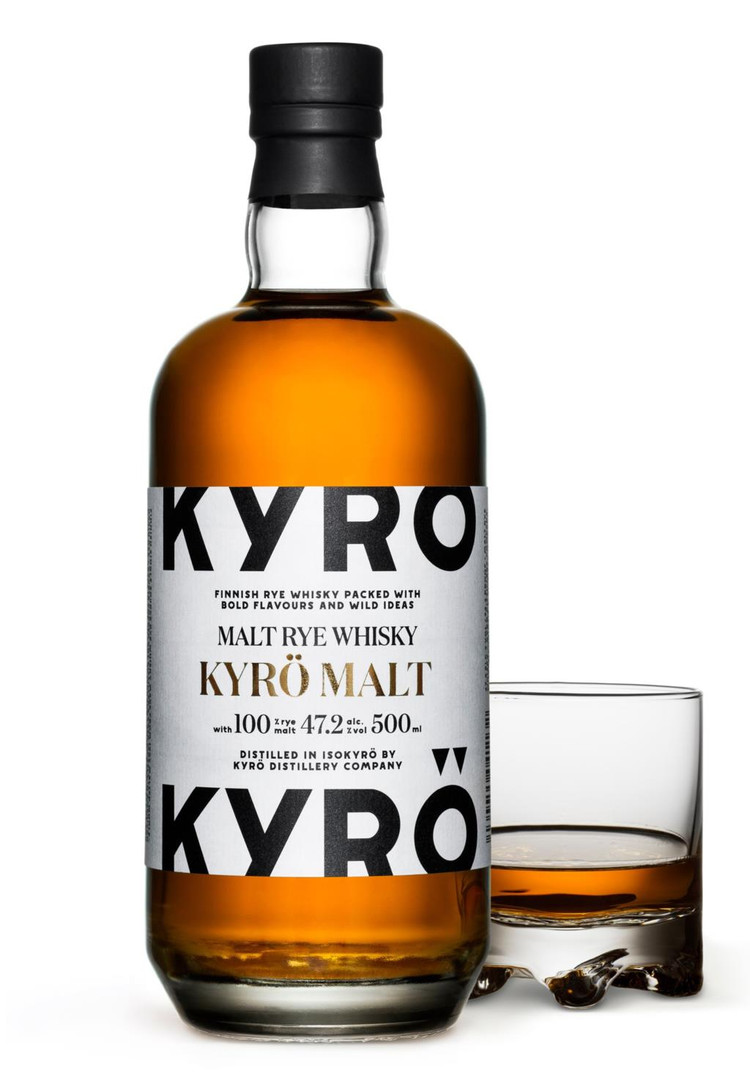
Today’s whisky comes from Finland. I think of Finland as a place where vodka is produced rather than whisky. The Kyrö distillery has produced a single malt using rye rather than barley.
The Kyrö Rye single malt is matured in American Oak and comes in at 47% ABV. Its colour is dark golden. I found it nutty and sweet on the nose. It tasted of bread, rye bread presumably. There was also a hint of peppery spice.
I was not sure what to make of this whisky. Because rye whiskies are a new thing to me, I had difficulty assessing what I was drinking. I don’t want to dismiss it out of hand, but with an unfamiliar taste, I didn’t like it that much.

Dec 12th

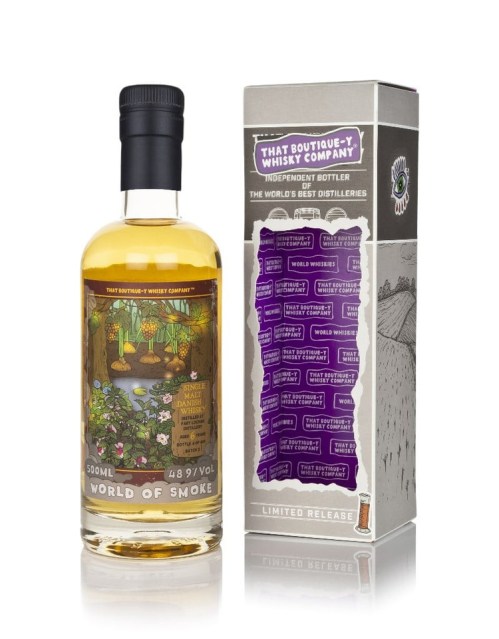
Another Nordic offering today. This time from Denmark.
Fary Lochan, which has an ABV of 48.9%, is a rather unique whisky. The malt is smoked, but not over peat, as is normal in Scotland, but over fresh nettles. This makes for a dram that is very different from the norm.

It is very pale in colour. The nettle smoke comes through on the nose, as does a herbal note. Herbs and grass are the prominent notes in the palate, accompanied, by hints of spice, and a slightly sweet finish.

Like yesterday’s rye malt, I’m not quite sure about this one. It is not really to my taste, but it is an interesting and different whisky. If it comes your way, do try it and see what you make of it.

Exploring Global Whisky: A Personal Advent Calendar Journey (Part 2)

Continuing on from my earlier post, let us see what the next few days have brought.

Dec 5th

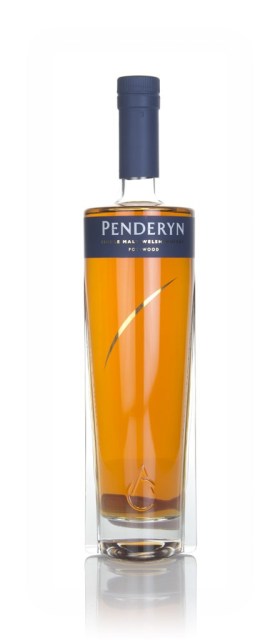
We are off to Wales for our next whisky adventure. The Pendyryn distillery have been producing whisky since 2000, with their first sales being made in 2004. (Whisky must be matured for at least three years before it can be legally sold in the UK.)

Pedyryn Portwood finish at 46% was today’s offering. It is quite a dark coloured whisky, I would describe it as amber coloured.
On the nose I got dried fruit with a hint of sweetness. Taste wise, it had notes of burnt sugar and spice.

I am not a big fan of port and/or sherry cask whisky, but I found this pleasant to drink.

Penderyn

Dec 6th

We are back to Japan again for our next whisky.
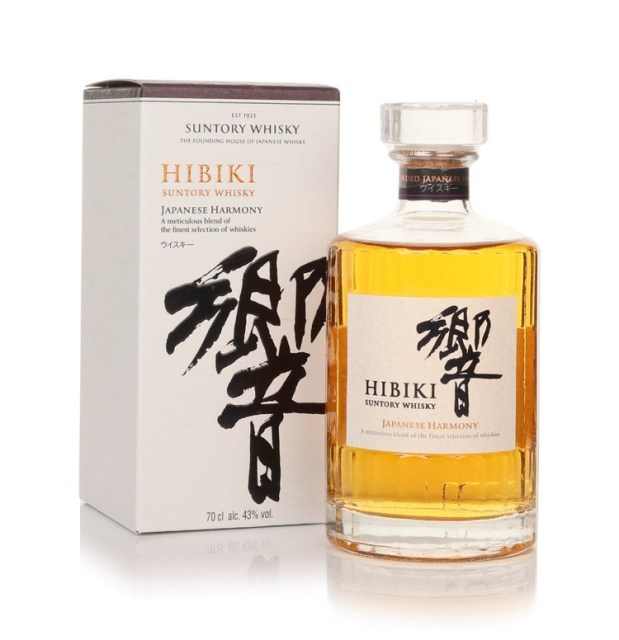
Hibiki Harmony Blend at 43%. It is manufactured by Suntory, who have a long distilling history. This whisky is a blend.
It is pale golden in colour. The nose was basically apples on the palate I found apples and spice, cinnamon and cloves.
It was a pleasant enough whisky, though a little on the bland side for me.

Dec 7th

My next whisky experience took me to Denmark.

Stauning Høst Danish whisky 40.5% is unusual in that it combines a single malt with a rye malt.

It is amber in colour. On the nose I got straw and roast chestnuts. It had a slightly sweet fruity palate.

The inclusion of the rye malt makes it very different whisky. The 30 ml sample that came in the calendar wasn’t enough to let me decide on the whisky. I think I would need another glass. Maybe two, to fully make up my mind as to whether I liked it.

Dec 8th

We journey back Ireland for our next whiskey,
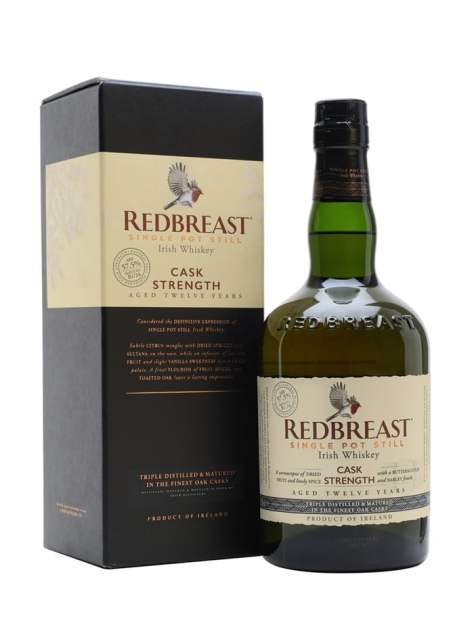
Redbreast Single Pot Still 12 year Cask Strength 57.2%. I am not a huge fan of cask strength whiskeys. I find that at cask strength the alcohol content overpowers everything else. This one was no exception. I trust the distiller to add the correct amount of the distillery water to bring out the characteristics of their product. I think that it is better than me trying to guess. Having had my little rant, on to the whiskey.

It is a very attractive honey gold colour. On the nose I found dried fruit and vanilla. When it came to the palate, all I initially tasted was alcohol. Adding some water improved it. I found a very pleasant mix of honey, tropical fruit and vanilla.

This is a whiskey that I liked. If I were buying it for myself, I would probably choose the 12 year old 40% expression. I would prefer it over the cask strength. It is also nearly £30 less expensive.

I think writing about four whiskies at a time is enough. I will fill you in an days nine, ten, eleven and twelve in the next post.

Exploring Global Whisky: A Personal Advent Calendar Journey

My lovely wife bought me a whisky/whiskey advent calendar. Whisky/eys off the world. Yes, whisky is produced in other countries besides Scotland. Ireland, Japan, Canada and the USA all produce decent whiskey. Thailand also produces something that they call whiskey. My step-son and his partner brought me some back, the less said about it the better.

I should note before I start that I am in no way a whisky expert. I am just someone who enjoys a dram.

I shall try to get the correct spelling of whisky or whiskey. Scotch, is whisky, as is Canadian and New Zealand. Irish and United States is whiskey. I’m not sure if other countries use whisky or whiskey, please don’t shoot me if I get it wrong.

On to the advent calendar.

December 1st

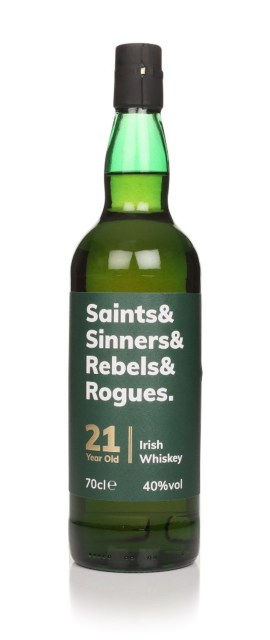
Today’s whiskey was Irish. Saints & Sinners & Rebels & Rouges 40%. It is a 21 year old blend . There were definite hints of vanilla and honey on the nose. It is very smooth, as you would expect with a 21 year old, slightly too smooth for my tastes. I like a slight bite in my whiskey. On the palate, honey and sultanas were the notes that I found. It was a whiskey that I liked.

Whiskey bottle

December 2nd

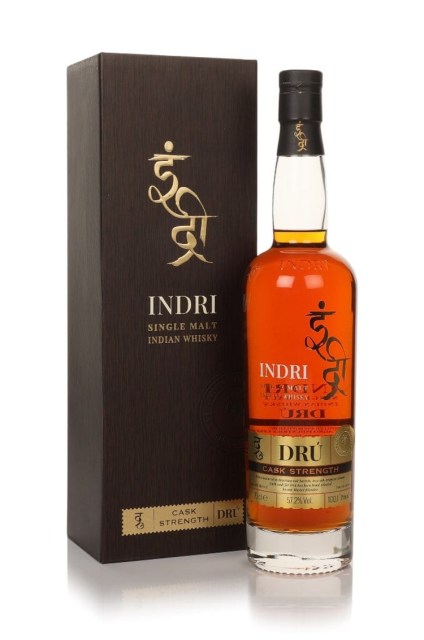
Today’s whisky is Indian. Indri Drú Cask Strength – 57.2%. No barrel age is given. Their website mentions that the high temperatures in Northern India speed up the maturation process.
I found tobacco and burnt fruit on the nose. Like almost all cask strength whiskies, I found it initially too fiery for me say anything about it. Diluting it about 1 part water to 3 parts whisky calmed it down.
I found hints of spice but not that much else. It was an interesting whisky to try, but not one that I would think of buying.

December 3rd

For today’s whisky, we move further east, to Japan. A country that has a longer whisky making tradition than India.
Yamazaki Distiller’s Reserve is 43% and is made by Suntory who have been distilling whisky since 1923.
The nose was floral, incense was a word that came to mind. On the palate, there were hints of dried fruit and vanilla and cinnamon.
The whisky is pleasant enough. It shares a few characteristics with Highland malts.

December 4th

We are still in Japan for today’s whisky.
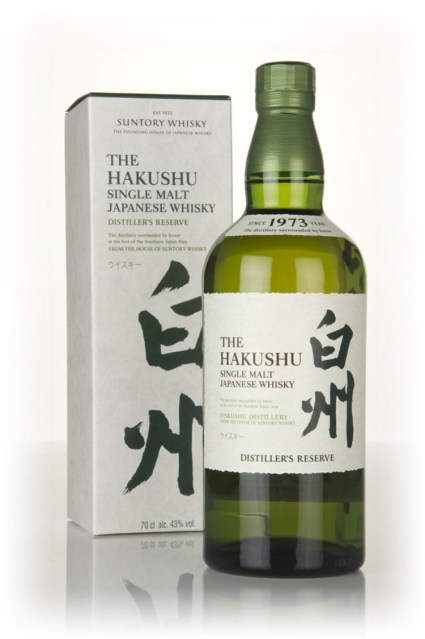
It is Hakushu Distiller’s Reserve 43%
Its nose it is slightly smoky with a hint of dried fruit. On the palate I found smoke, fruit and a hint of peppery spice. Again a pleasant enough whisky, but without any thing that would encourage me to buy it.

Further revelations will follow

Learning to Swim at Seventy (part 2)

Getting there

I am now seventy. I can swim. Not very well, nor very far but I can actually swim.

In my last post, I mentioned that the teaching pool at the Malden Centre has a great feature. Its greatest depth is only one meter. Its less than great feature, is that the depth quite quickly becomes half a meter. Drowning is difficult, but so is swimming once the water gets shallow.

I found a solution to this.

My wife Diane is a member of The River Club (not as posh as it sounds). It is a gym which has a swimming pool. The pool is about eighteen meters by six meters, but only one point four meters deep. So drowning is almost as difficult as in the Malden Centre teaching pool. Nevertheless, it has the great advantage being 1.4 meters deep over its entire length.

I had a trial session and liked what I saw. The facilities and gym equipment are good. The staff are friendly. The pool allows me to swim without finding myself out of my depth or running out of water. So, I signed myself up.

Since then, I have continued my weekly lessons at the Malden Centre. I also try to fit in a swim at the River Club at least twice per week. This has helped a lot. It lets me try out the things that Sue teaches us on a Monday night. It also allows me to concentrate on one aspect, for example my breaststroke kick.

I can now swim a full length of the pool comfortably, using breast or back stroke. I still struggle with front crawl (freestyle). Coordinating kicking, breathing and arms is difficult, for me. I haven’t tried butterfly yet.

River Club Swimming Pool

Another feature of the pool is that the roof is retractable. During the summer it is pulled back, and you can swim in the open air. It also allows access to an outside deck, where you can sunbathe.

So, I learned to swim by my seventieth birthday. I have lots of room for improvement, but I am getting there, slowly.

How breaststroke should be done

Learning to Swim at Seventy

First steps (or strokes)

I’m not actually seventy just yet. “Learning to Swim at Seventy” has more of a ring to it than “Learning to Swim at Sixty-nine and three-quarters”. I am learning to swim though.

A lot of people are surprised that I can’t swim. I did spend about twenty years at sea and most people assume that seamen should be capable of swimming. I used to rationalise my inability to swim by saying that being capable of swimming would prolong the agony. Why swim around for an hour and then drown anyway. Just get it over with. Besides, we had life jackets.

I began to feel I was missing out. Last summer we had a holiday in Croatia. We cruised around the islands on a small (thirty-five passenger) ship. Every day we would anchor in a bay, to allow us to go swimming. Diane loved it. I only watched and felt I was missing something.

As part of my Christmas present Diane paid for a series of swimming lessons at our local leisure centre.

I started the week before Christmas. Our instructor, Sue, asked me a few questions. Was I afraid of the water? – no not really. Could I swim at all? – again, no not really. With that, she gave me a float and told me to get in the teaching pool. The teaching pool at The Malden Centre is great in one respect. It is a maximum of one meter deep. This greatly reduces the possibility of drowning.

The first exercise was learning to kick holding on to the float. Kicking was easy. Kicking, moving and breathing, all at the same time, less so.

Over time, I started to improve. The first thing I had to learn to do was how to stand up. Initially I had a great deal of difficulty in putting my legs down when I wanted to stop. When I wanted to swim, they would sink. When I wanted to stand up, they would float. I also needed to learn to breathe air rather than water.

I find it easier to swim on my back. Breathing is easier this way. But, I veer off to one side.

The main disadvantage of the teaching pool is that it’s depth reduces to less than half a meter. This means that, especially when swimming breast stroke, your feet end up hitting the bottom.

Nevertheless I am improving.

Monet in London

7th January 2025

My step-daughter very kindly bought me a birthday present last year, tickets for an exhibition of Monet’s paintings of London at the Courtauld Gallery.

Monet was fascinated by the effects of  sunlight. He loved its interaction with the fog and the smoke belching from the factories on the South Bank. Between 1899 and 1901, he made three extended trips to London to try and paint the effects. He stayed at the Savoy and set his easel up on a balcony overlooking the river. (No starving in a garret by this stage of his career) During his stays, he produced over a hundred unfinished canvases. From these, he eventually produced a series of thirty-seven paintings called View of the Thames. The paintings concentrate on just three sites, Charing Cross Bridge, Waterloo Bridge, and the Houses of Parliament. The views of the Houses of Parliament were painted from a terrace at St Thomas Hospital, on the South Bank.

The paintings were exhibited in Paris in 1904. The exhibition was a critical and commercial success. He had plans to repeat the exhibition in London in 1905. The plans fell through because of the commercial success of the Paris exhibition. (He couldn’t borrow back enough of the paintings he had sold) One hundred and twenty years later, twenty of the thirty-seven paintings are back together in London. The Courtauld Gallery is in Somerset House. It is about one hundred meters down river from the Savoy hotel, where they were originally painted.

The Exhibition.

The source of the paintings is familiar, as are the paintings themselves. With Monet’s views of the Thames it is difficult to feel surprised by any individual piece. But when presented with the ensemble, it is hard not to be impressed

Although there are only three subjects, Monet imbues each painting with a different feel. Although Monet admired J.M.W. Turner, he never claimed him as an influence. Nevertheless, many of the paintings have a Turneresque feel to them. Though Turner only painted the Old Parliamentary buildings on fire

The paintings of the bridges show that the sun does come out (occasionally).

The Waterloo Bridge that Monet painted was replaced by the current bridge in 1934 because of structural problems. Waterloo Bridge was falling down

Having completed his London series, Monet went on to work on his Waterlilies series, which took up his remaining years. In many of the paintings, but especially in the ones above, you can see the development of blending water, sky, and sunlight. That became one of the features of his Waterlilies.

It was an enjoyable, if not overly challenging exhibition. Not every exhibition has to be challenging or ground breaking.

The Courtauld website has a virtual tour of the exhibition, which is rather good.

The permanent collection is also worth an hour or two of your time.

We couldn’t get onto a balcony at the Savoy, so we did our modern-day take on the scene from Waterloo Bridge. Fortunately, we no longer have the air pollution that created the effects that fascinated and, to an extent, frustrated. Monet. He found it frustrating because the light changed every five minutes.