Monet in London

7th January 2025

My step-daughter very kindly bought me a birthday present last year, tickets for an exhibition of Monet’s paintings of London at the Courtauld Gallery.

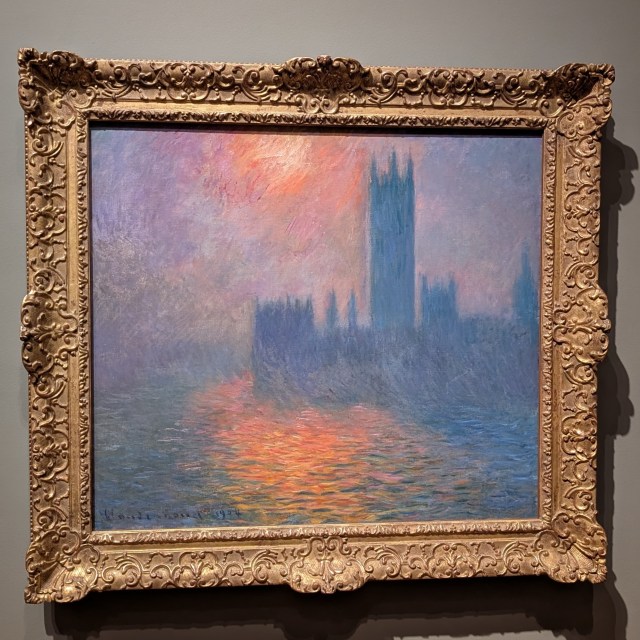
Monet was fascinated by the effects of  sunlight. He loved its interaction with the fog and the smoke belching from the factories on the South Bank. Between 1899 and 1901, he made three extended trips to London to try and paint the effects. He stayed at the Savoy and set his easel up on a balcony overlooking the river. (No starving in a garret by this stage of his career) During his stays, he produced over a hundred unfinished canvases. From these, he eventually produced a series of thirty-seven paintings called View of the Thames. The paintings concentrate on just three sites, Charing Cross Bridge, Waterloo Bridge, and the Houses of Parliament. The views of the Houses of Parliament were painted from a terrace at St Thomas Hospital, on the South Bank.

The paintings were exhibited in Paris in 1904. The exhibition was a critical and commercial success. He had plans to repeat the exhibition in London in 1905. The plans fell through because of the commercial success of the Paris exhibition. (He couldn’t borrow back enough of the paintings he had sold) One hundred and twenty years later, twenty of the thirty-seven paintings are back together in London. The Courtauld Gallery is in Somerset House. It is about one hundred meters down river from the Savoy hotel, where they were originally painted.

The Exhibition.

The source of the paintings is familiar, as are the paintings themselves. With Monet’s views of the Thames it is difficult to feel surprised by any individual piece. But when presented with the ensemble, it is hard not to be impressed

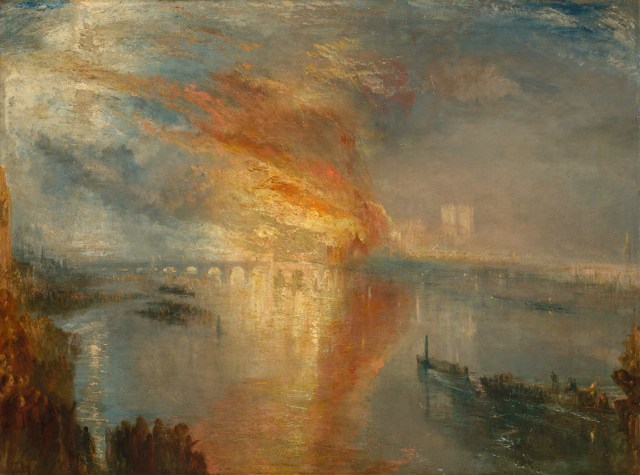
Although there are only three subjects, Monet imbues each painting with a different feel. Although Monet admired J.M.W. Turner, he never claimed him as an influence. Nevertheless, many of the paintings have a Turneresque feel to them. Though Turner only painted the Old Parliamentary buildings on fire
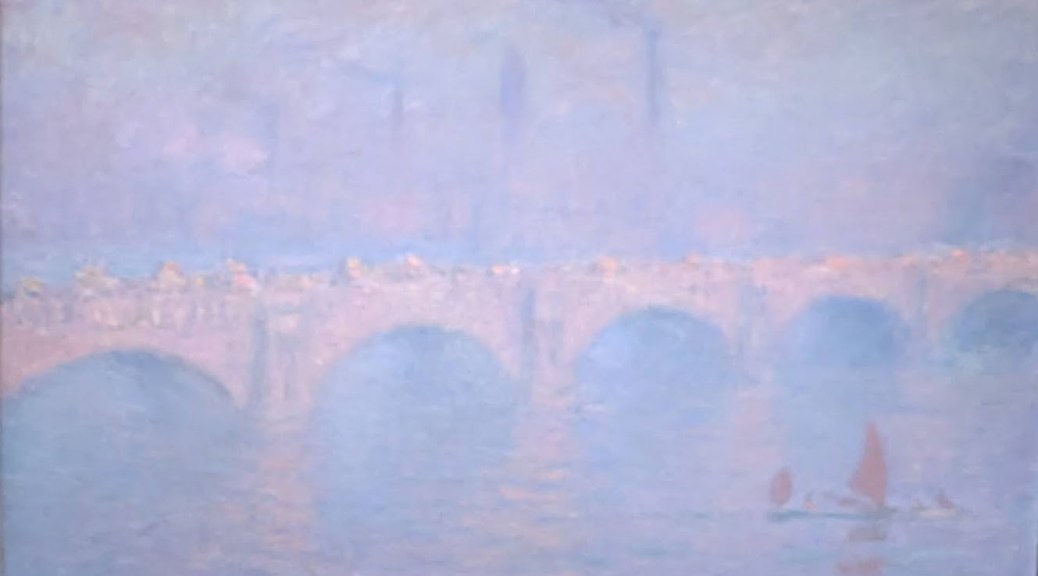
The paintings of the bridges show that the sun does come out (occasionally).
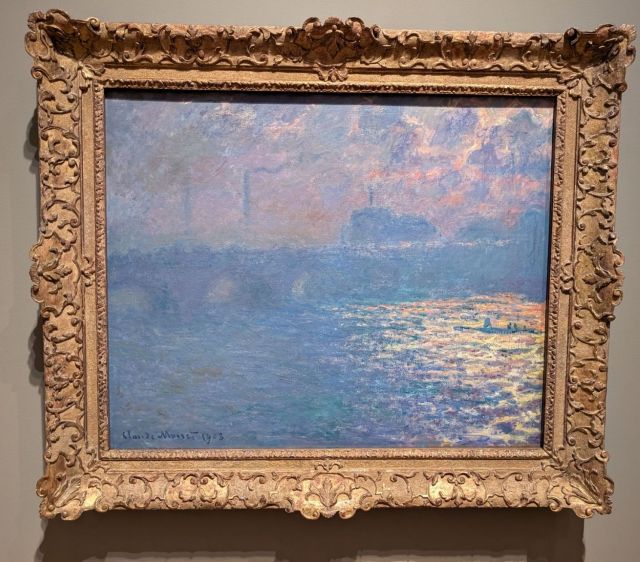
The Waterloo Bridge that Monet painted was replaced by the current bridge in 1934 because of structural problems. Waterloo Bridge was falling down

Having completed his London series, Monet went on to work on his Waterlilies series, which took up his remaining years. In many of the paintings, but especially in the ones above, you can see the development of blending water, sky, and sunlight. That became one of the features of his Waterlilies.

It was an enjoyable, if not overly challenging exhibition. Not every exhibition has to be challenging or ground breaking.

The Courtauld website has a virtual tour of the exhibition, which is rather good.

The permanent collection is also worth an hour or two of your time.
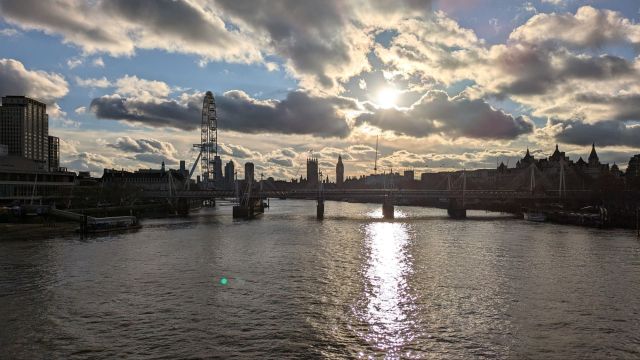
We couldn’t get onto a balcony at the Savoy, so we did our modern-day take on the scene from Waterloo Bridge. Fortunately, we no longer have the air pollution that created the effects that fascinated and, to an extent, frustrated. Monet. He found it frustrating because the light changed every five minutes.

Singapore Travel: Last Day Highlights and Art Exhibitions

Day 38/9 Dec 3rd/4th

Our adventures, which started back in October, were drawing to a close. Our last day had dawned.

After our day of decadence yesterday, today was always going to be more prosaic. So it was breakfast, then packing our cases for the last time. In the meantime, we had to figure out what to do after checking out at eleven. We had nine hours to fill before we would be picked up for our flight at eight p.m.

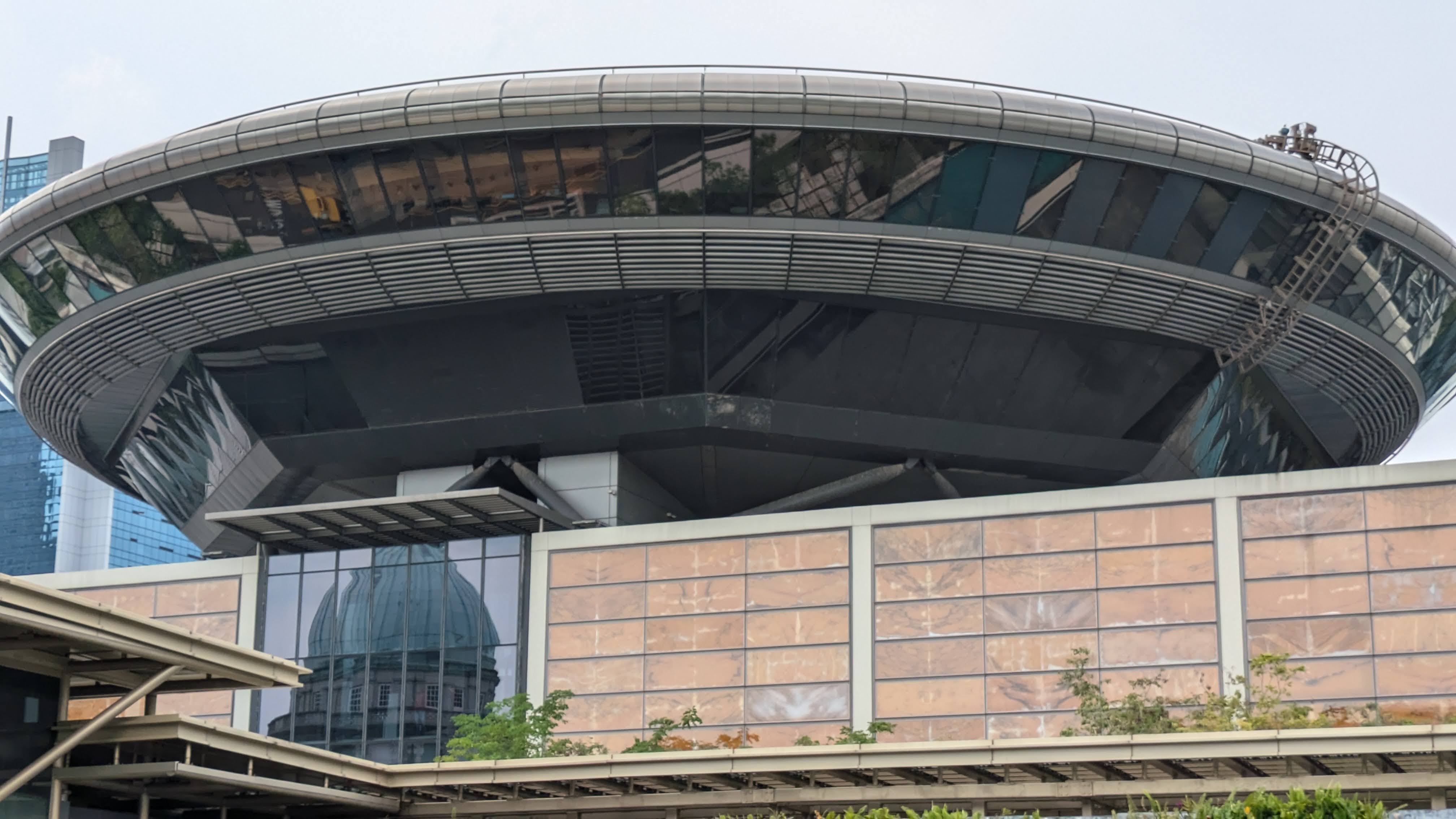
We decided on a visit to the National Gallery of Singapore . We left our luggage with the concierge. We decided to walk to the gallery. It was about a ten minute walk from the hotel. The walk took us down Bridge Street, across the river and past the Parliament Building.

Not an alien spaceship, but the new Supreme Court Building

The gallery is situated in what used to be the City Hall building and the old Supreme Court building. It is a confusing building to navigate. The two earlier buildings are separate but joined, making it difficult, for me at least, to know where I was.

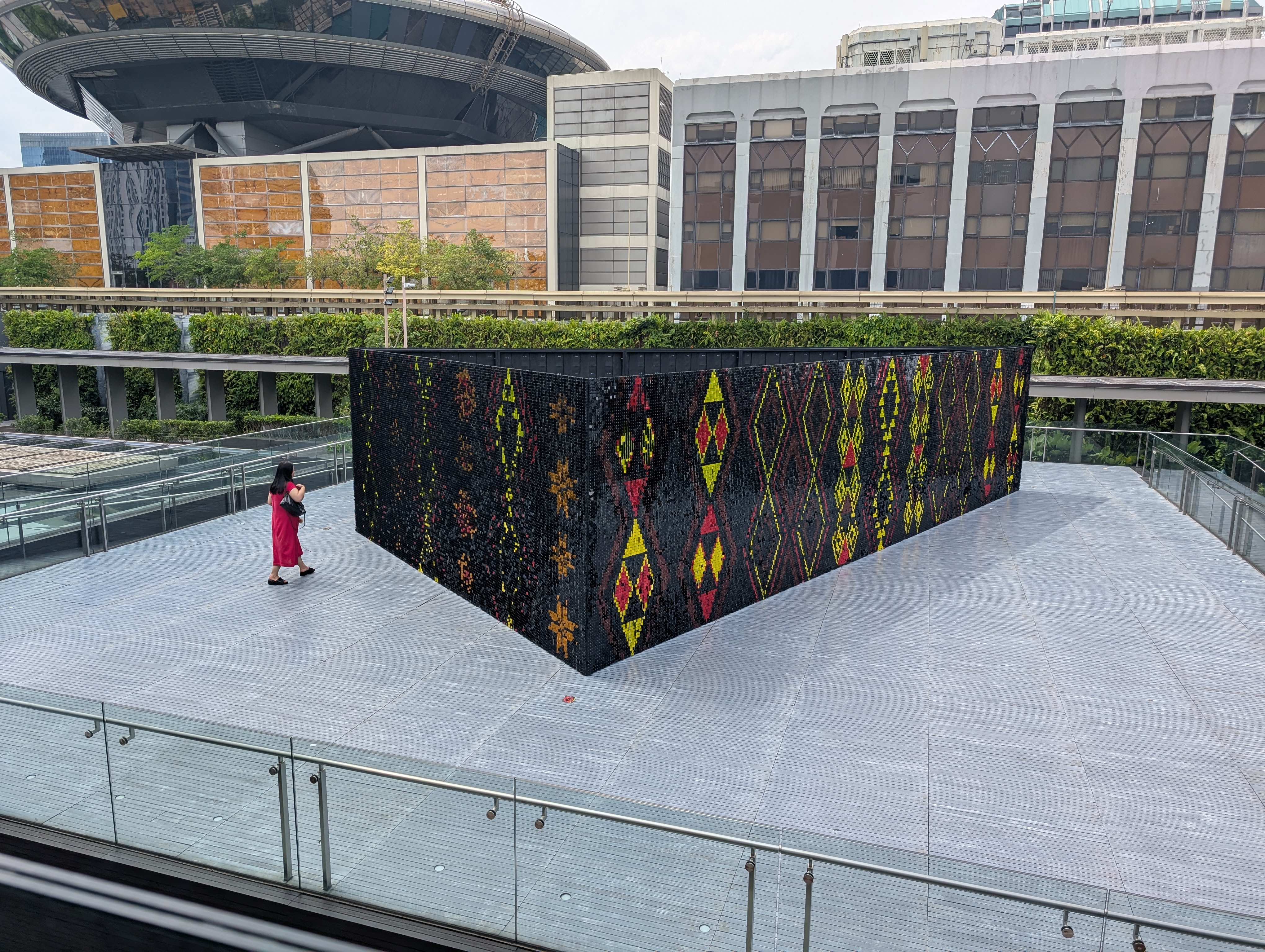
‘We visited one of the exhibitions named “Glisten”. It was located in the Roof Garden created by Aotearoa/New Zealand artist Lisa Reihana. A link to where we come from.


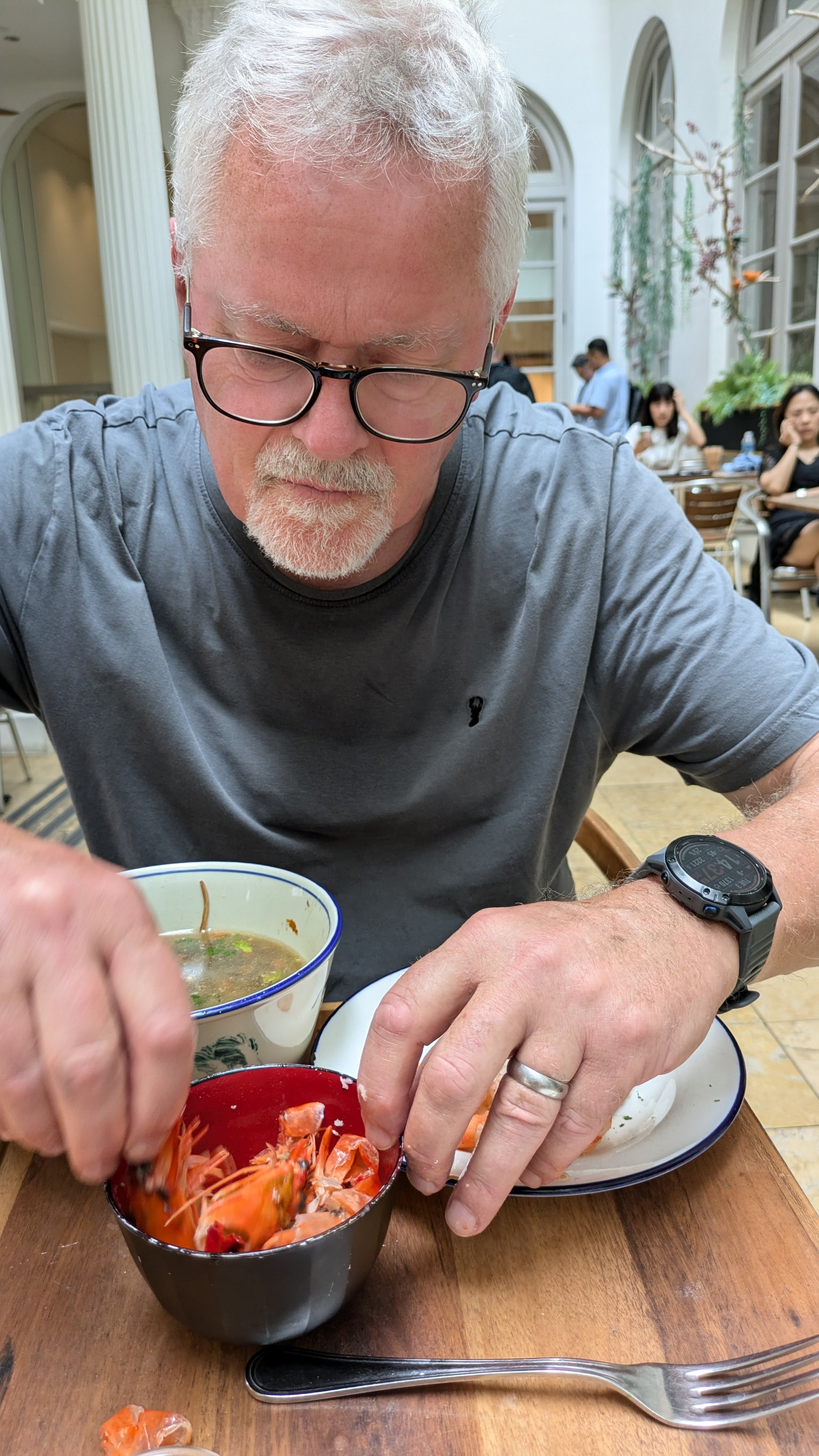
After that we decided to have lunch. There are a variety of restaurants and cuisines to chose from. They range from a three Michelin Star French Restaurant, through Cantonese to Japanese to Catalan. We settled on the Courtyard Café which does, in its own words “Straits Asian food”. It was good, even if I had to peel my own prawns.

I thought the prawns would be peeled

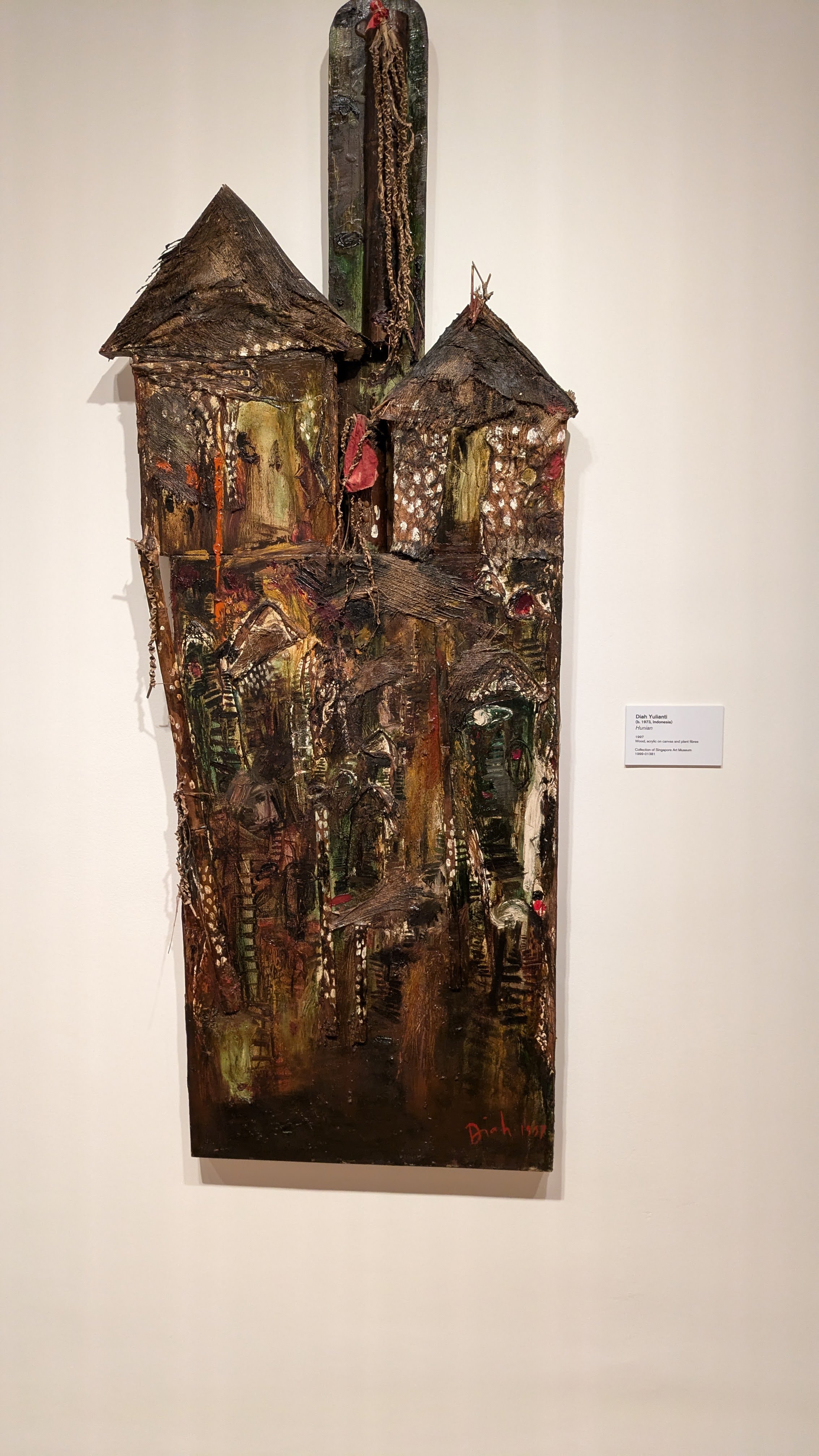
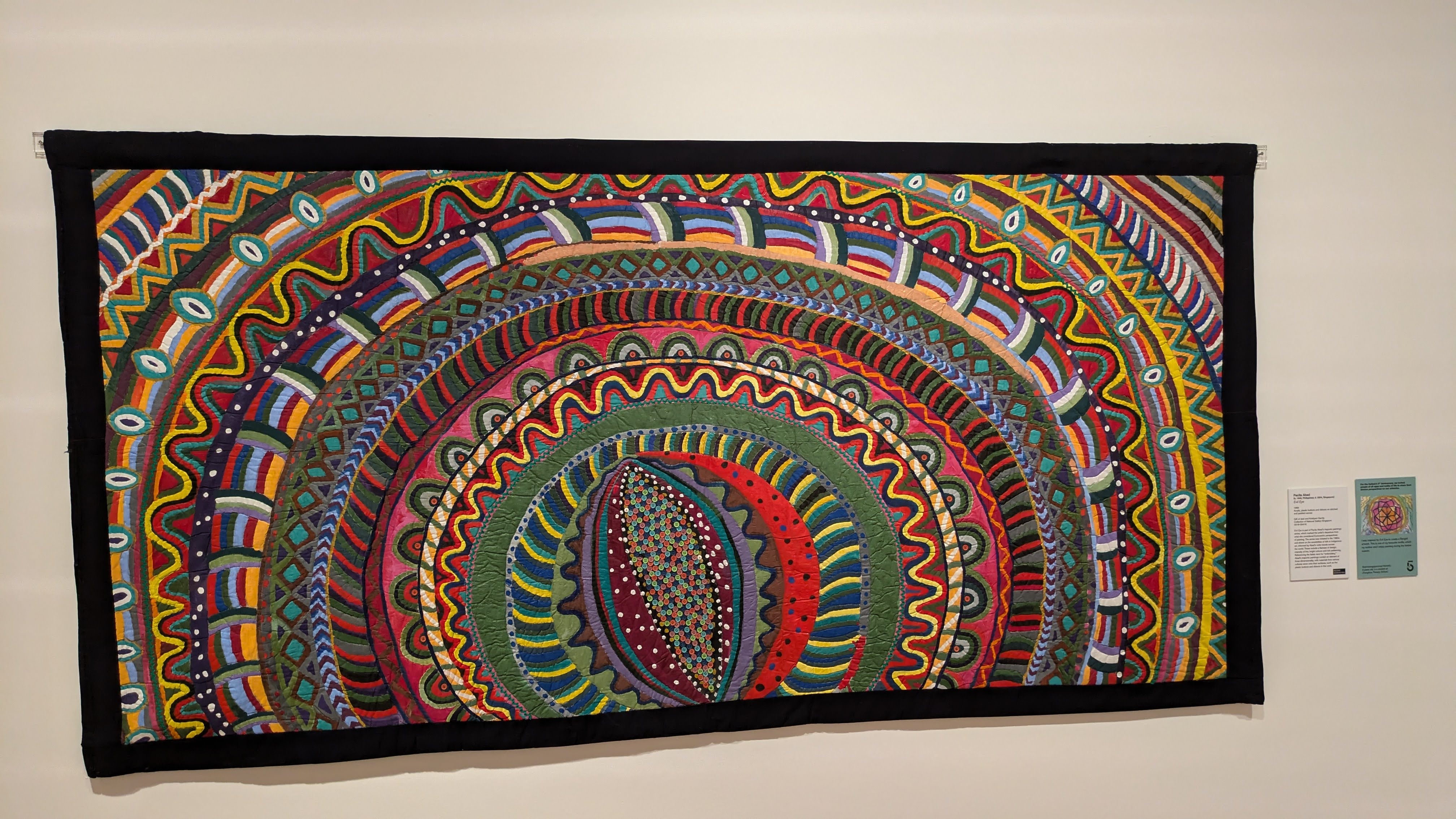
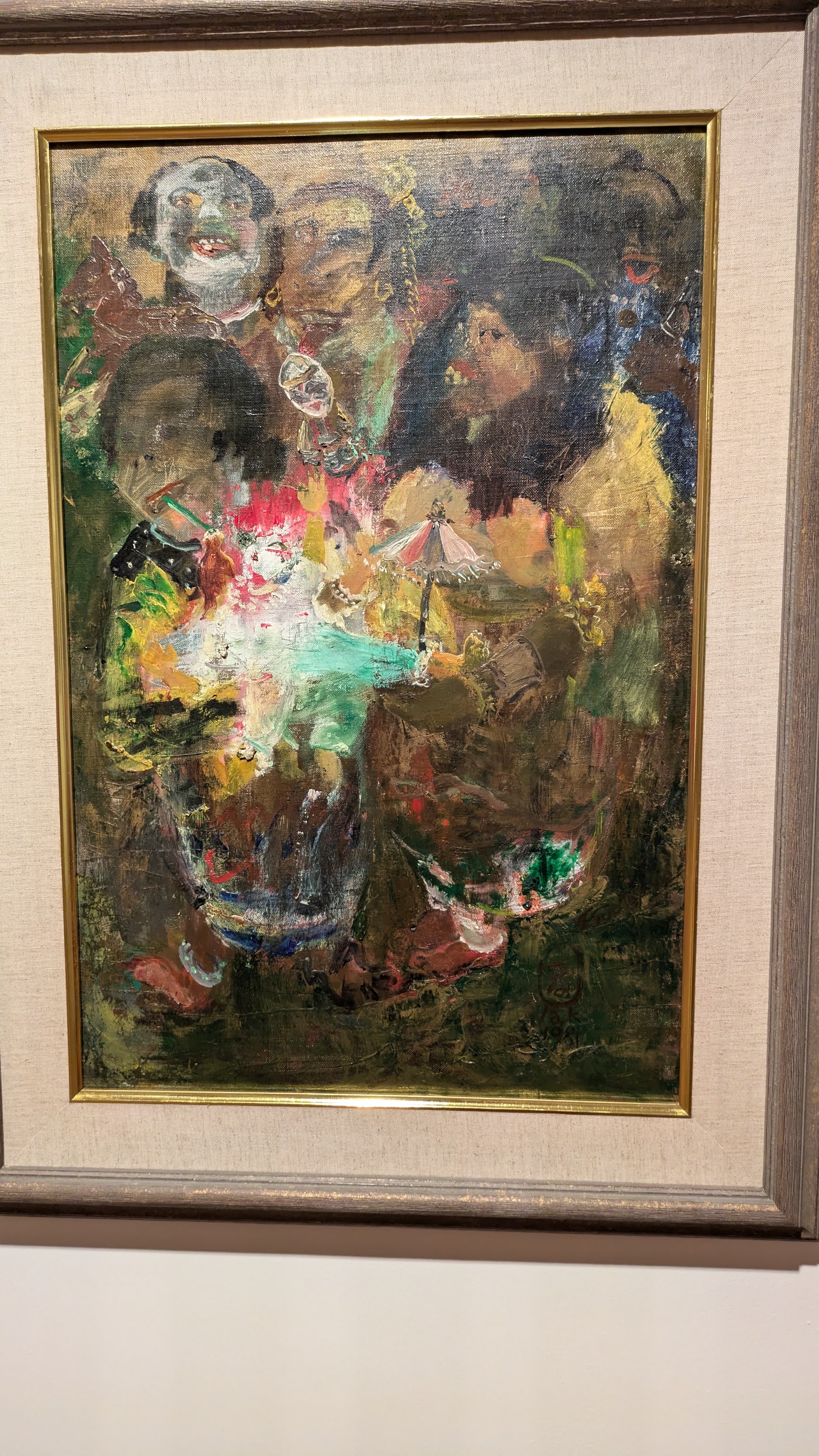
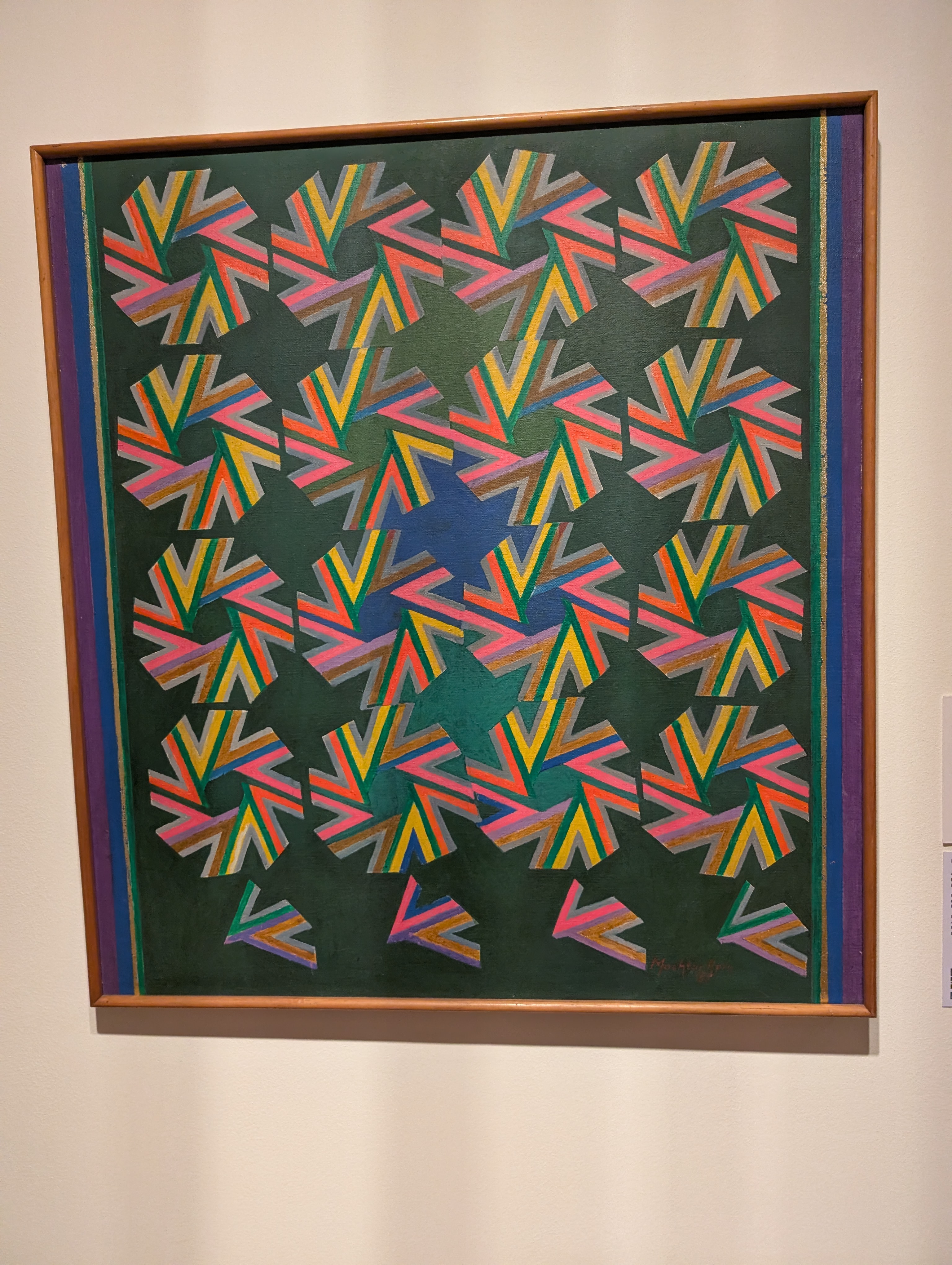
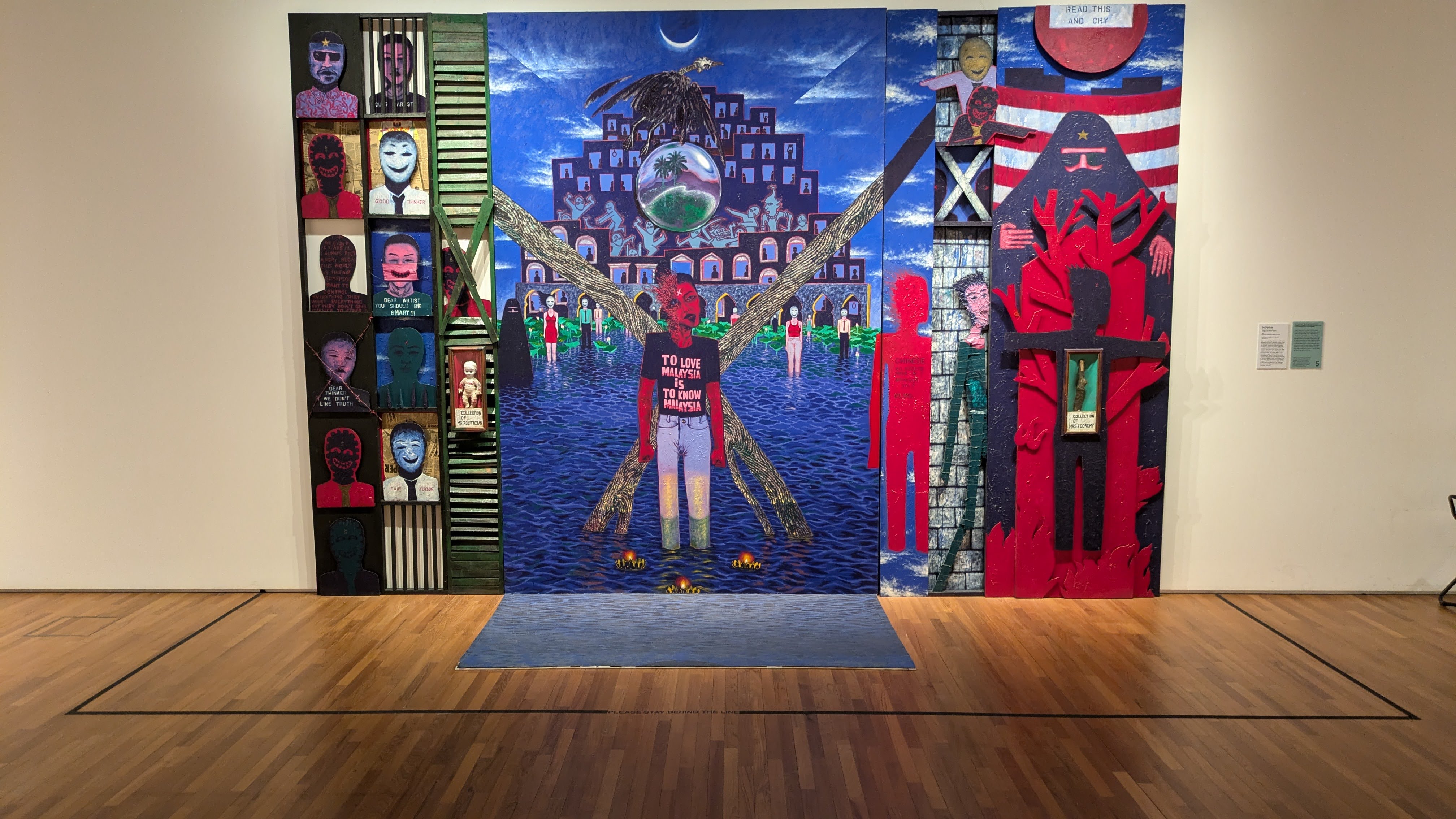
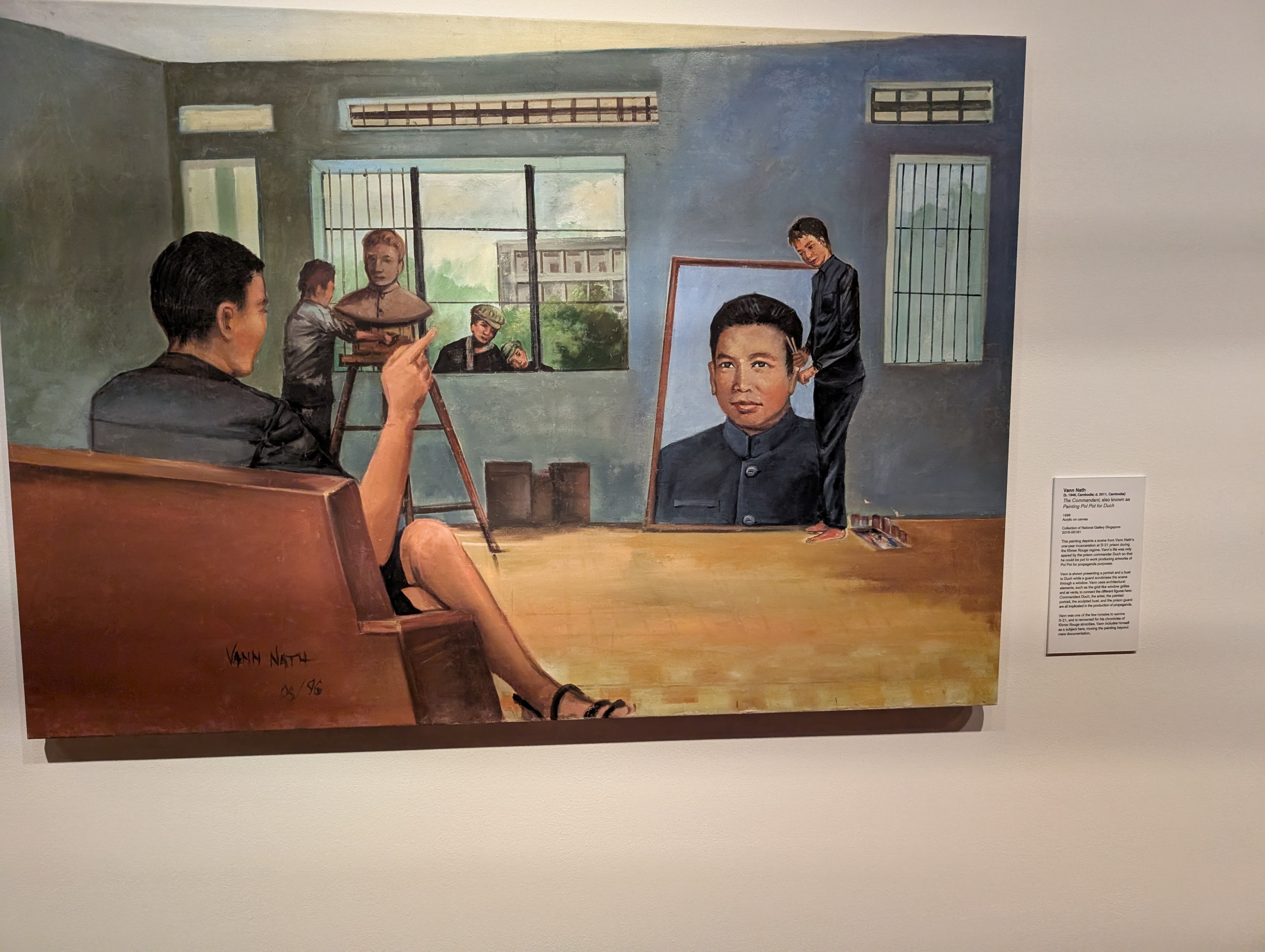
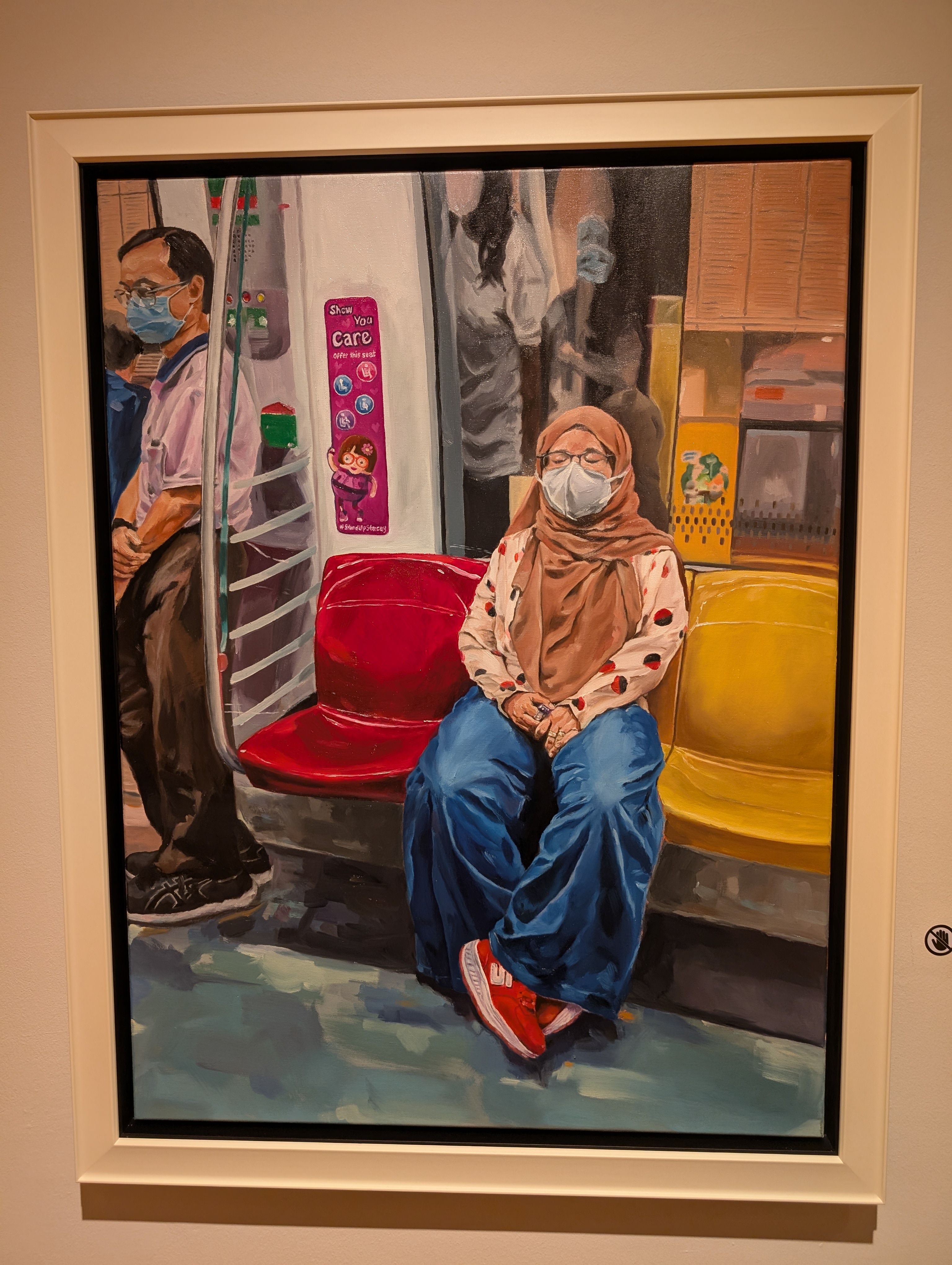
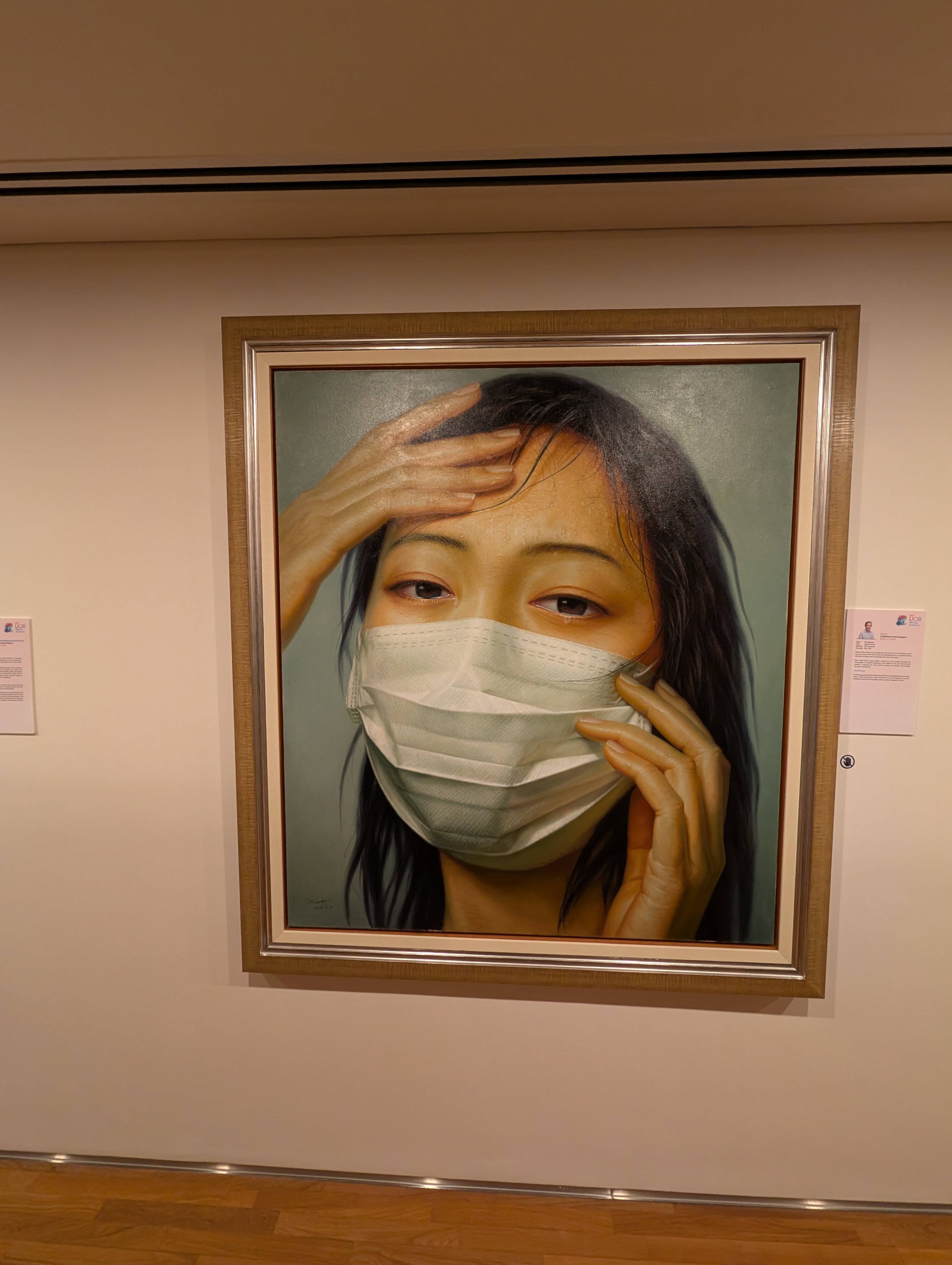
After lunch we went round four exhibitions. The first of which was an exhibition of the award winners in a South East Asian Art competition. It was interesting if varied in quality and style.

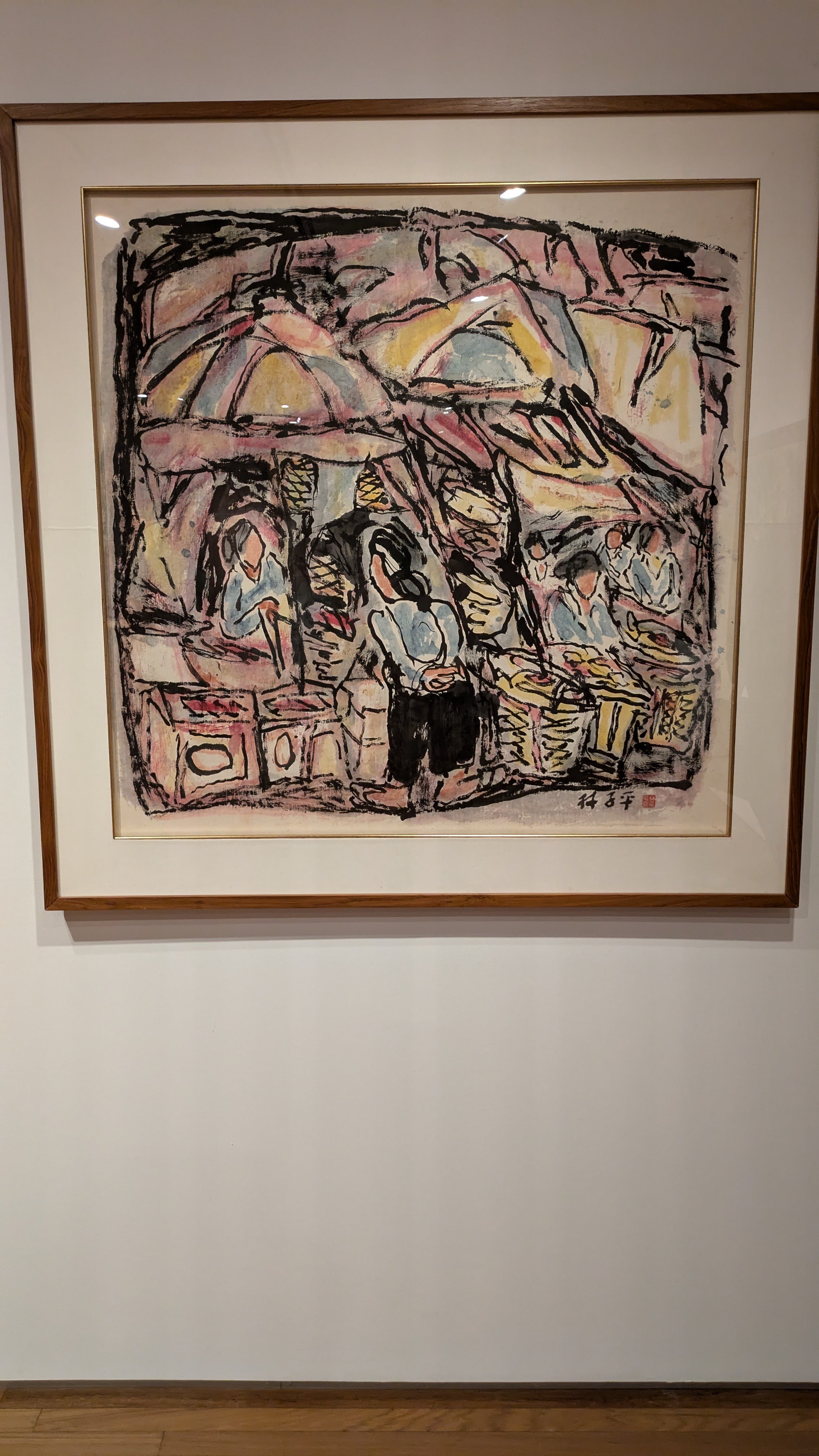
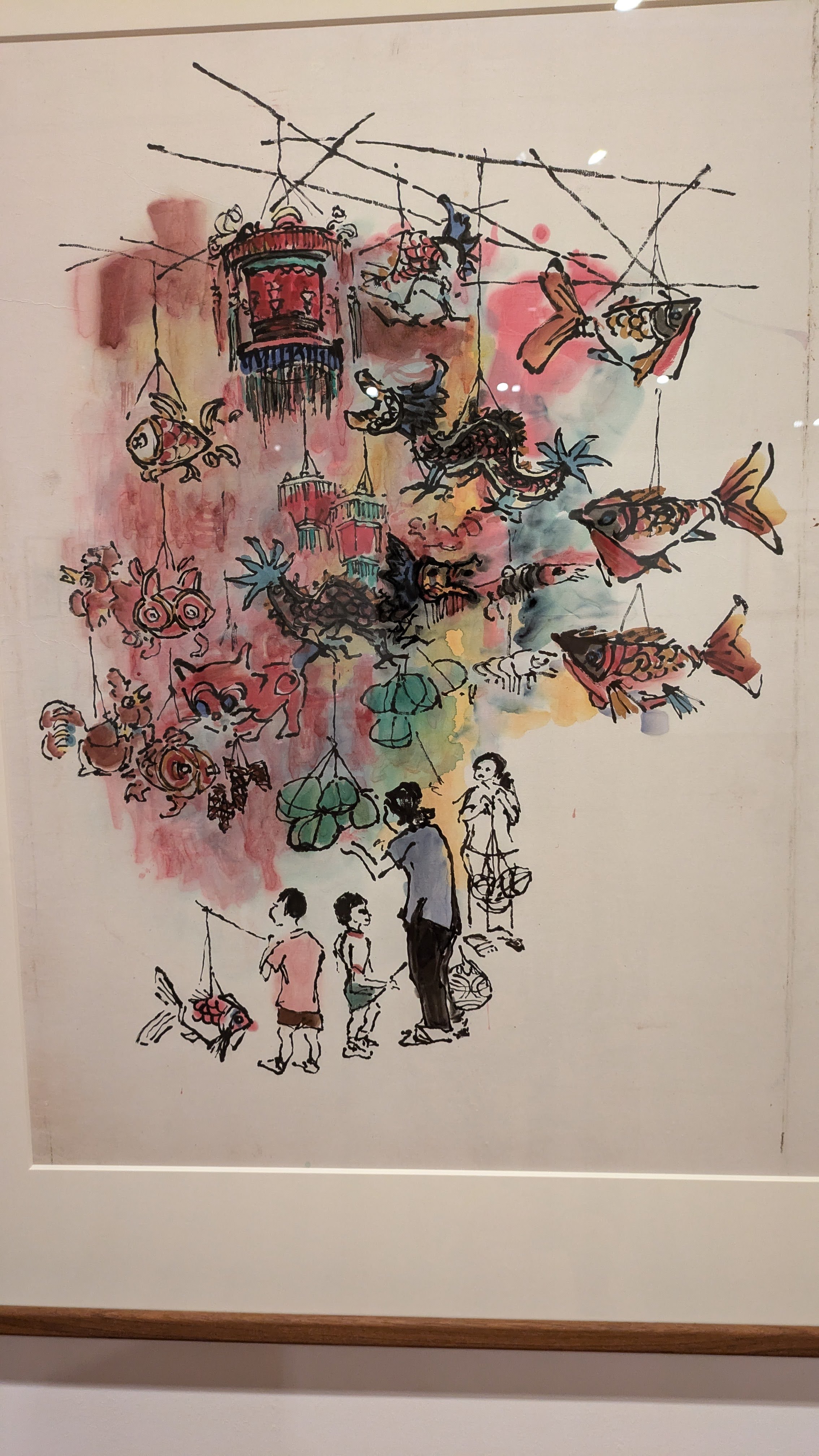
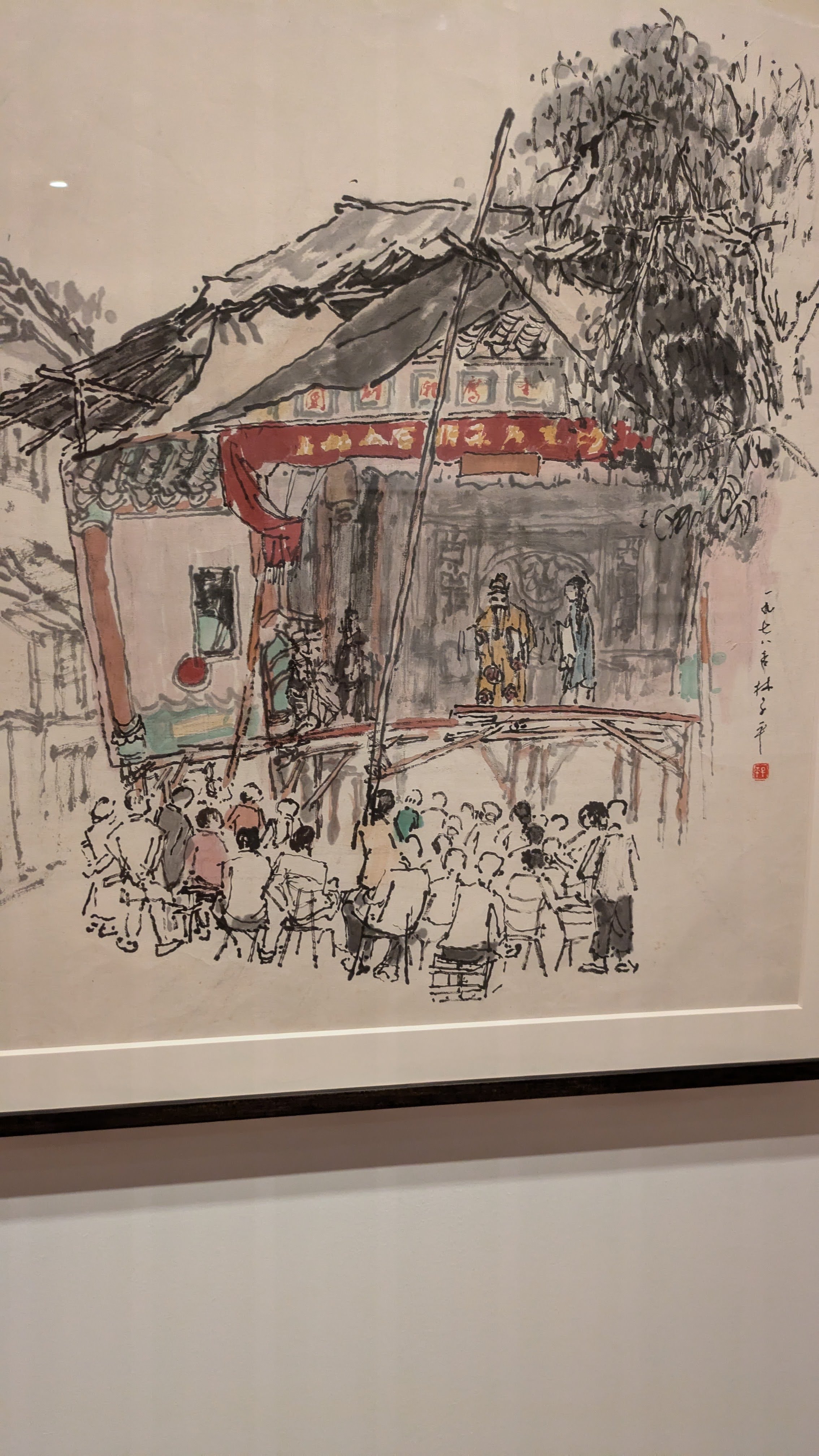
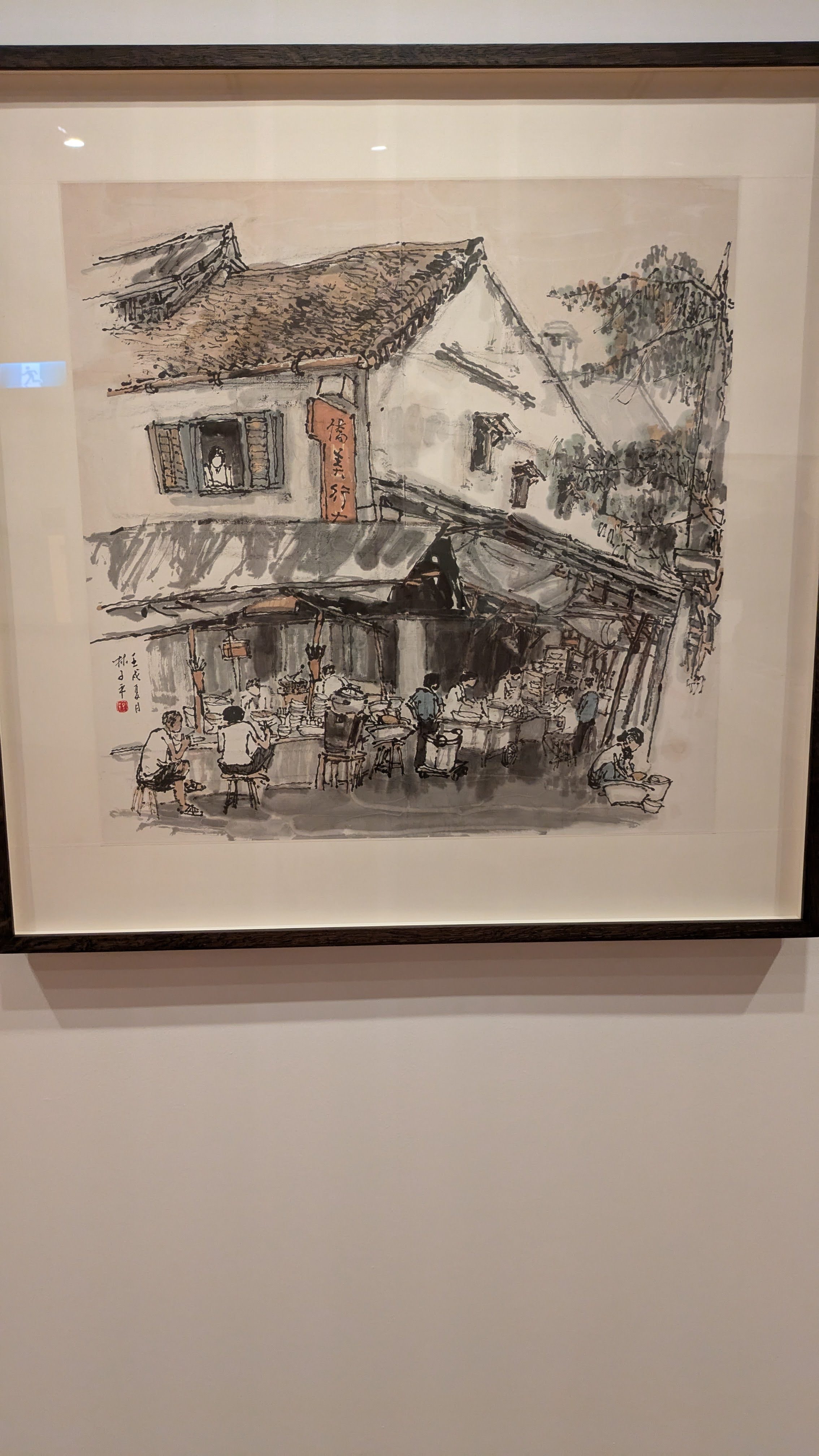
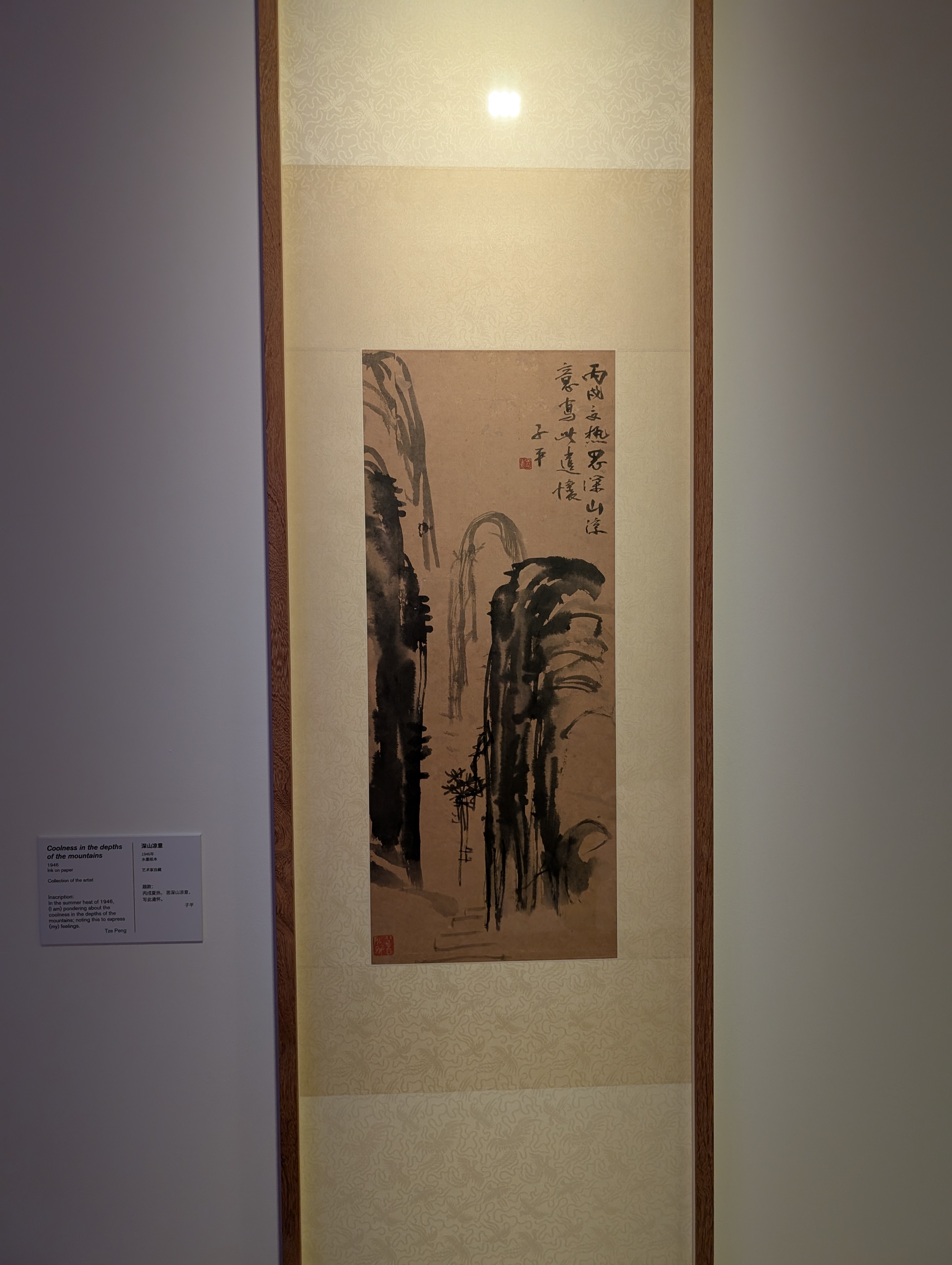
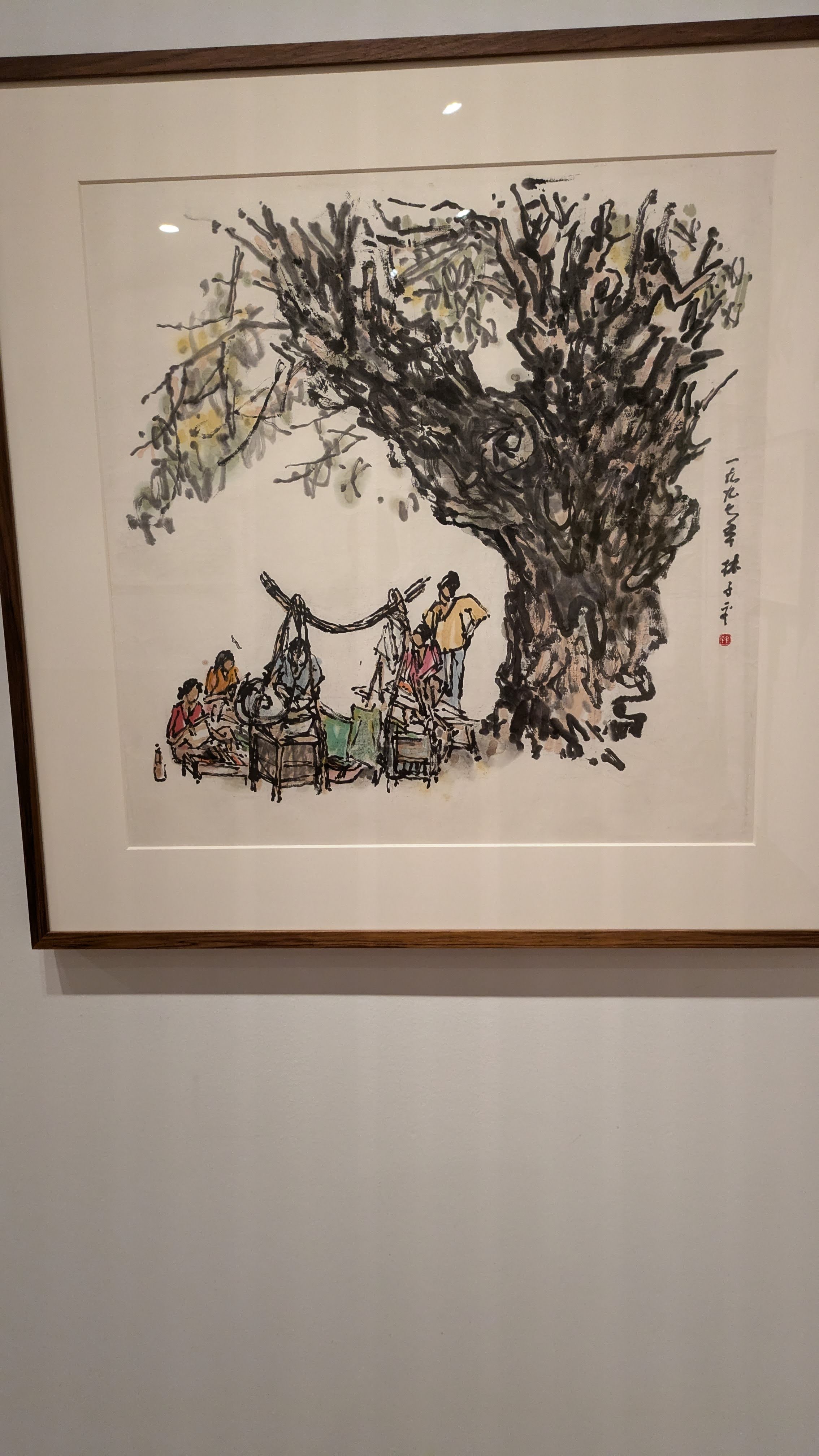
After that we saw, what was my favourite of the exhibitions, “Becoming Lim Tze Peng”. Lim Tze Peng is a one hundred and three year old Singapore born artist. The exhibition traces his development and his route to becoming a national treasure. He is viewed in Singapore in a similar way to David Hockney in the United Kingdom.


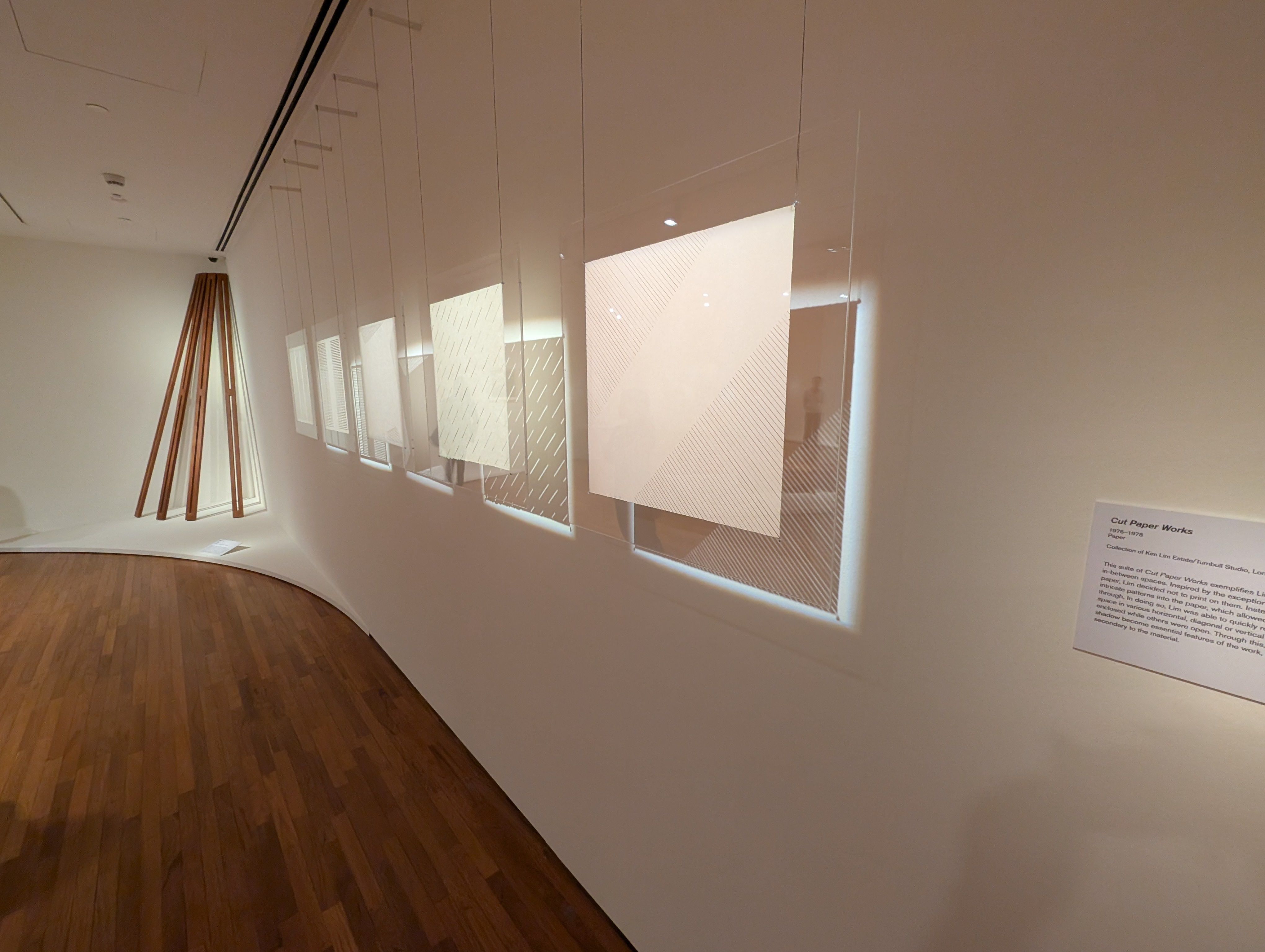
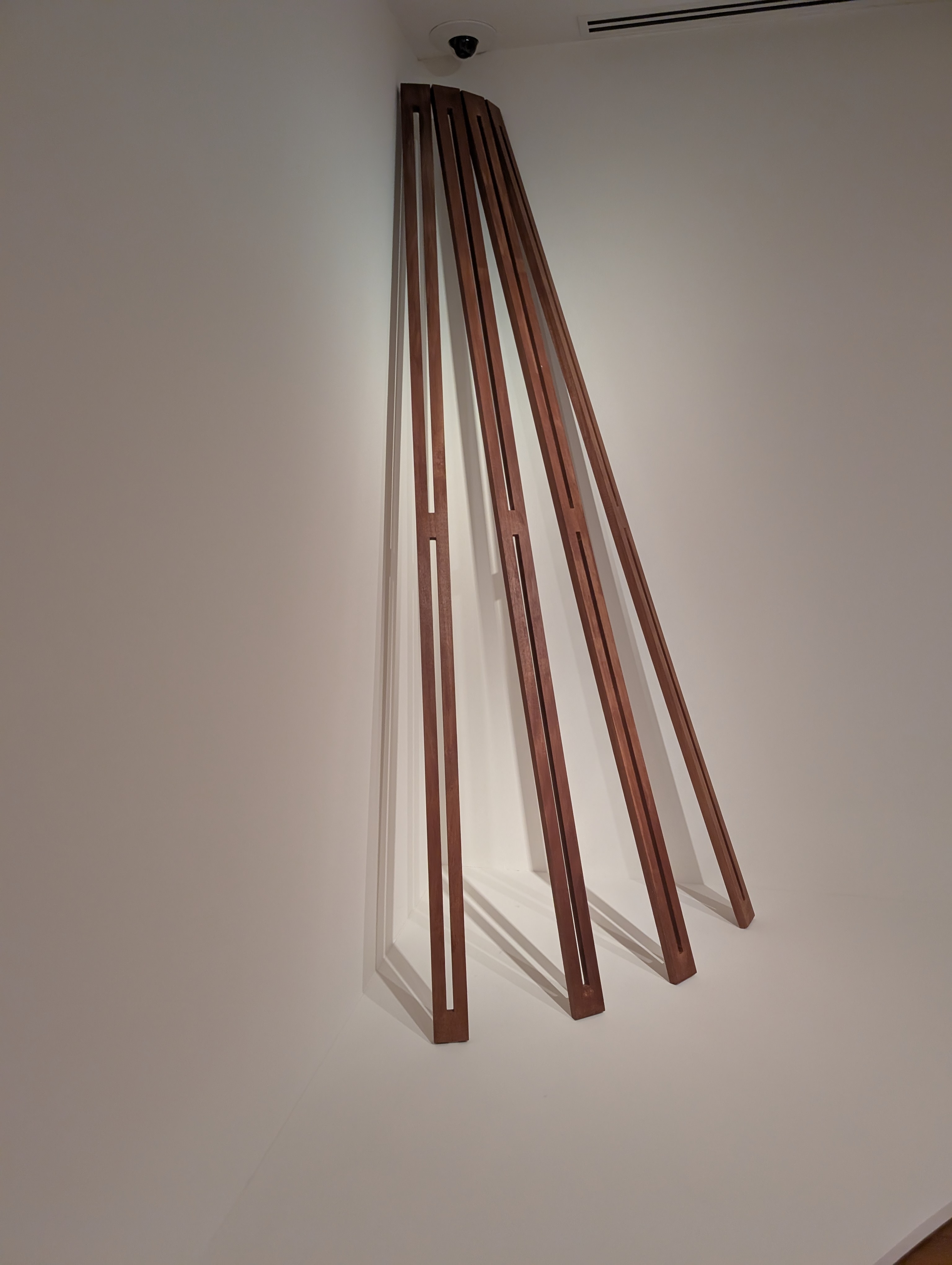
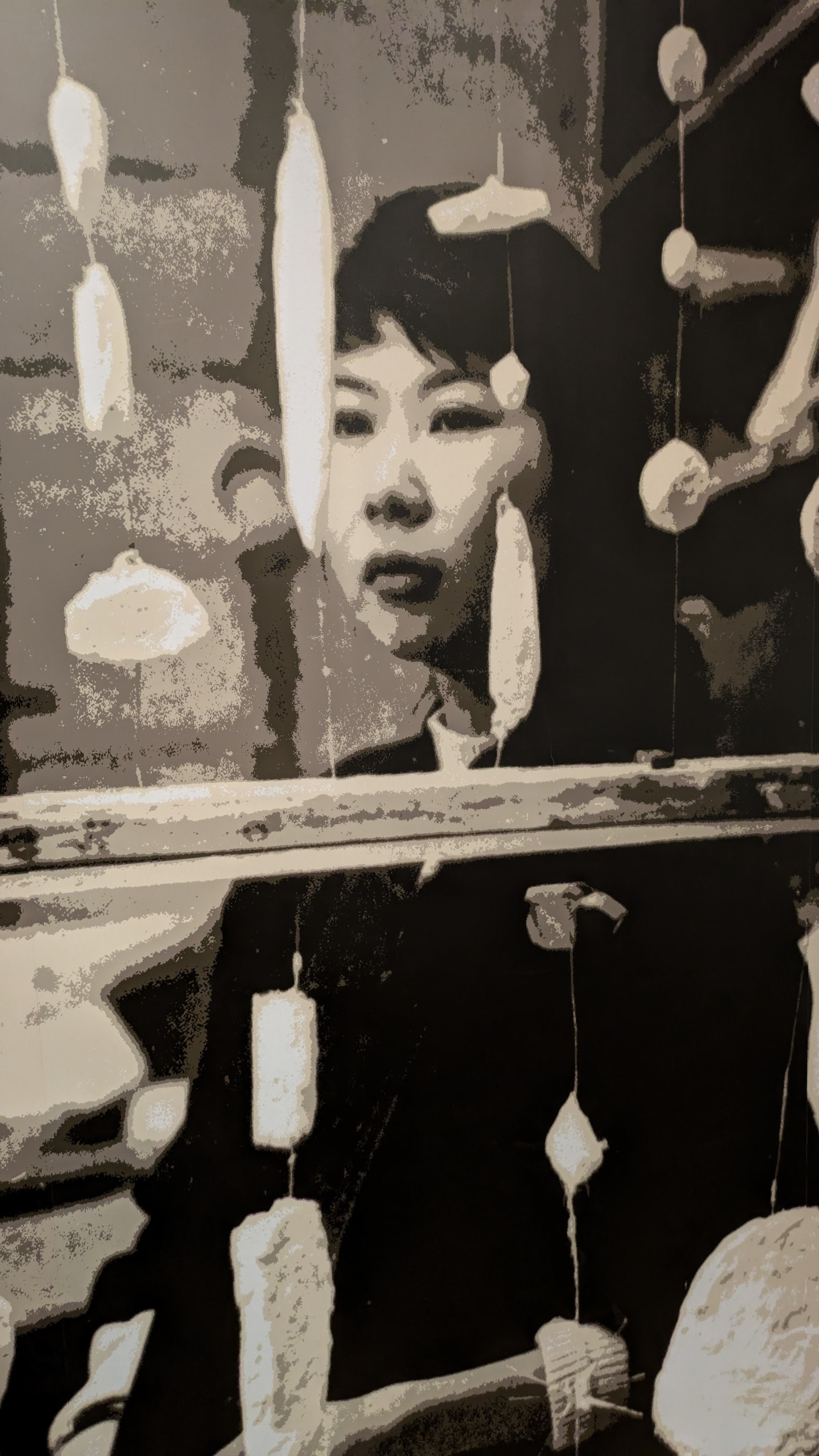
The other exhibition that I liked was “Kim Lim: The Space Between. A Retrospective”

Kim Lim was a sculptor. Although she was born and educated in Singapore, she mainly worked in London.

She once said that her practice was informed “not so much [by] volume, mass and weight, but with form, space, rhythm and light”.

This is lazy on my part. But, I feel that the video above gives a better overview of an artist than I can. I knew nothing of her or her work before seeing the exhibition. I liked what I saw.


By this time, it was around 5:30. We were “arted” out. It had also started to rain. This was rain as I remembered it from my time in the Solomon Islands. Like a giant bucket of water being poured out. We decided to get a taxi back to the hotel. We would have drowned in the ten minute walk back. We already knew that taxi fares went up at peak times. Rain makes getting a cab more difficult and also, apparently, even more expensive.


Back at the Park Royal Pickering, we had a final dinner. Our faithful driver arrived at 8:00. He had been the same one for all our official excursions. He whisked us off to the airport and our flight home.

Our flight was delayed slightly but took off about one in the morning. Fourteen hours later we were back where we started thirty nine days earlier.

We had pre-booked a car. It took us back home to a cold and dreary New Malden by nine a.m. Duster was there to meet us, and I think he was pleased to see us.

Our adventure sadly was over.

A Day in Singapore: Marina Bay and Raffles Hotel

Day 37 Dec 2nd

Our adventure was drawing to a close, but we still had two days left in Singapore before we flew home. We wanted to make the most of it. We had afternoon tea booked at Raffles at 3:30, but that was the only thing that we had planned.

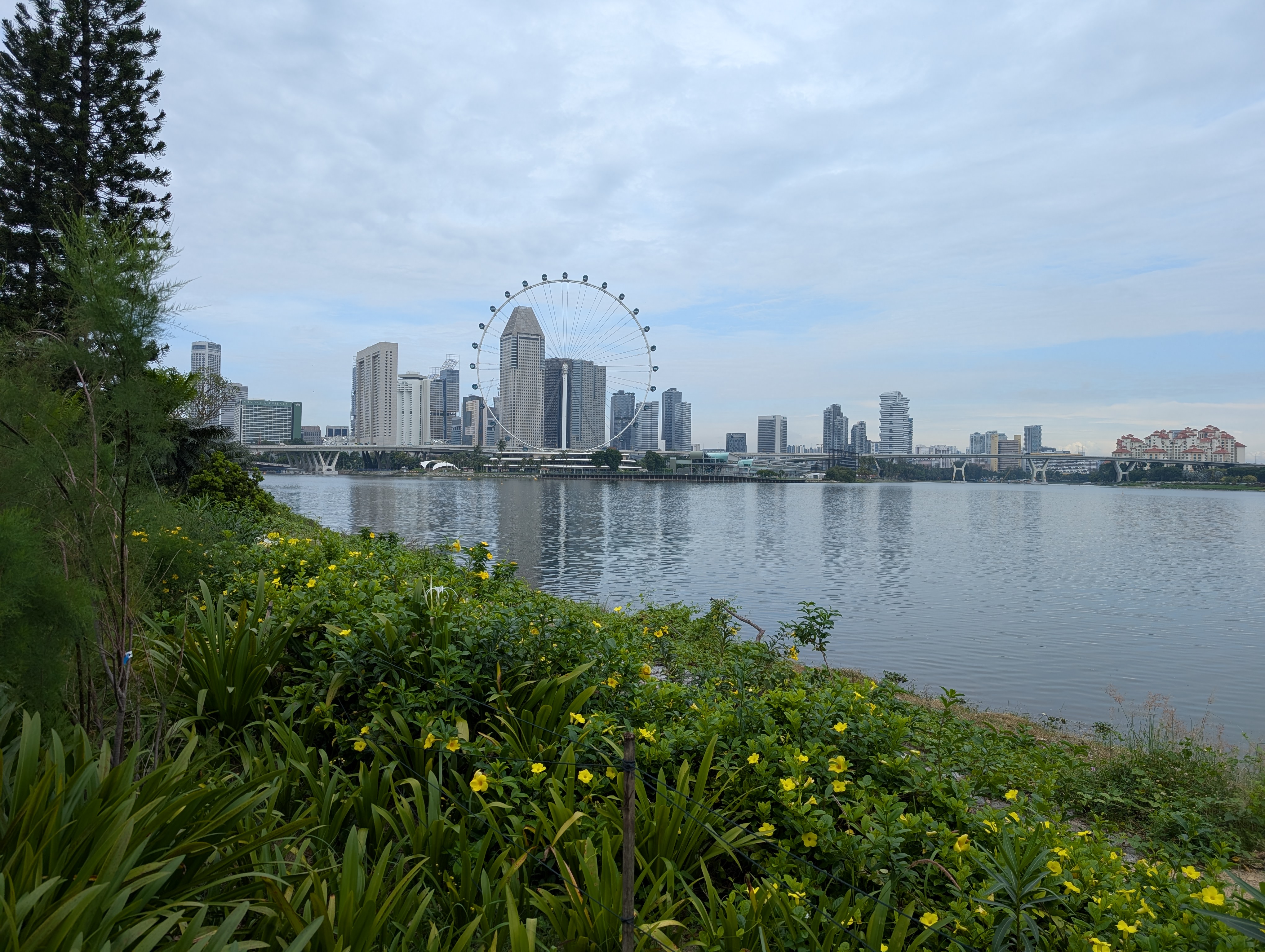
Monday morning, we were up bright and fairly early. The plan was to visit Marina Bay Gardens, then take it from there.

After breakfast, we decided to get a taxi to the gardens. Two reasons, it was about a forty-five minute walk, and it was hot and humid. Taxis are fairly cheap in Singapore, off-peak. They get much more expensive at peak times.

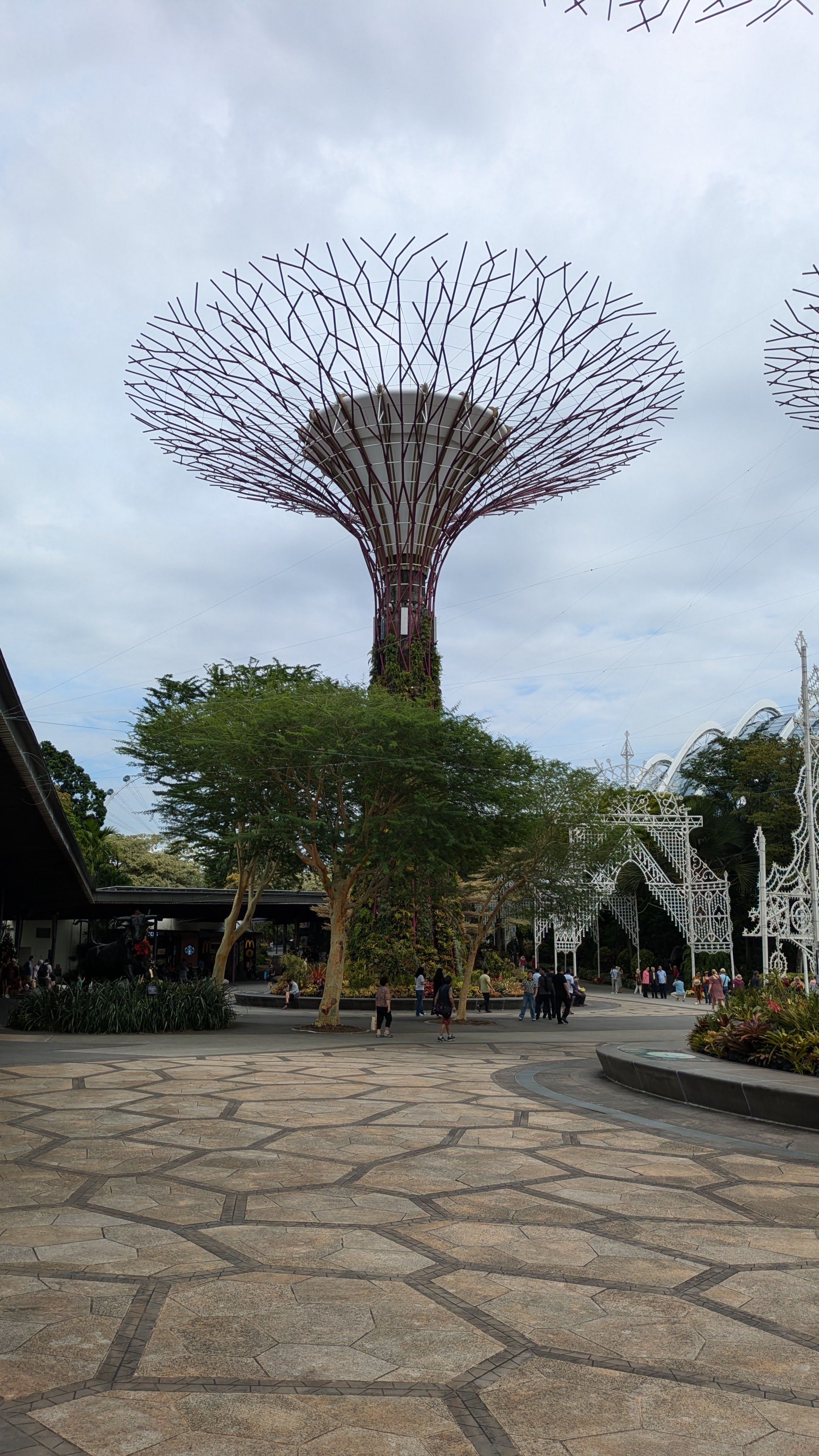
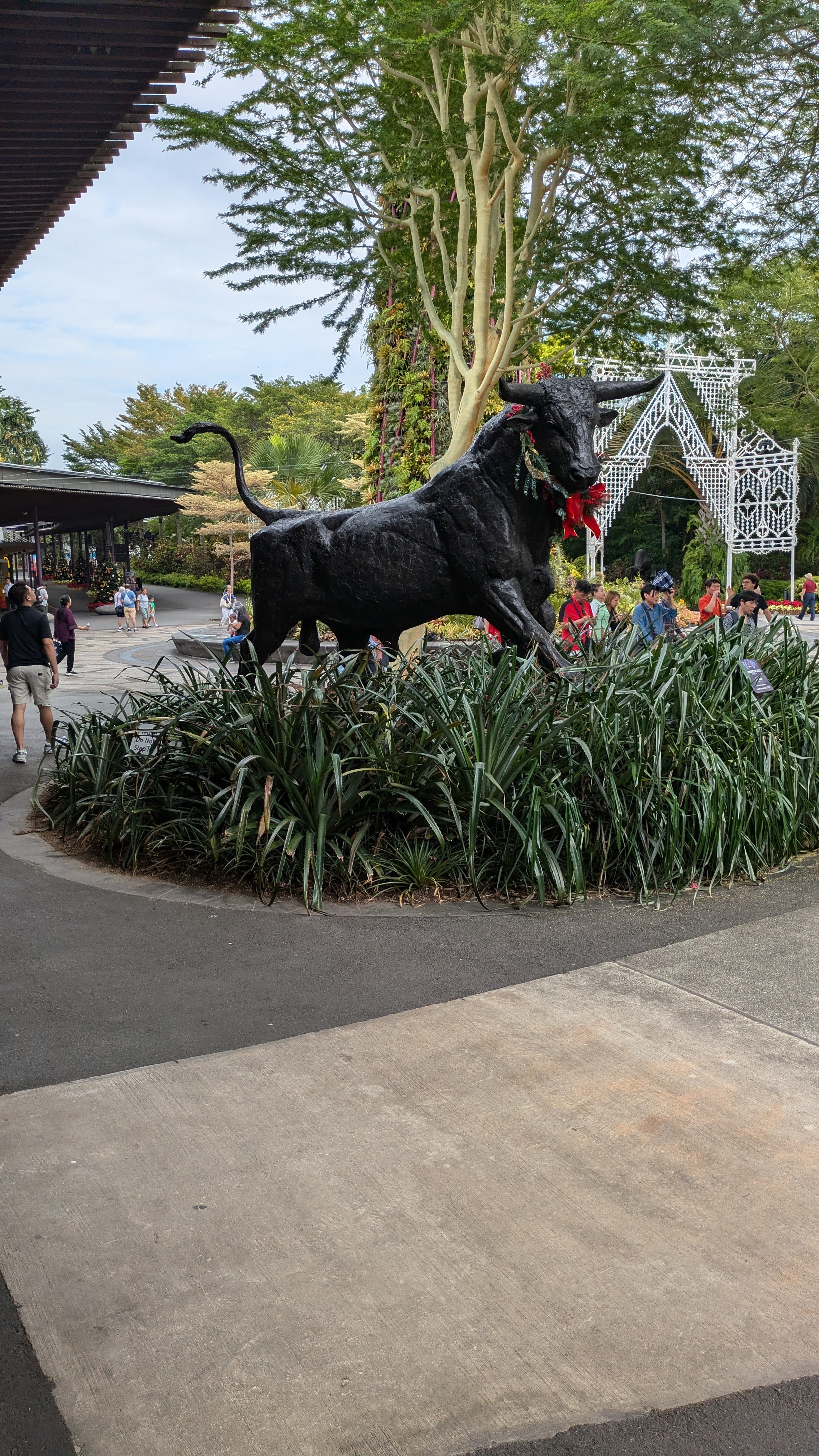
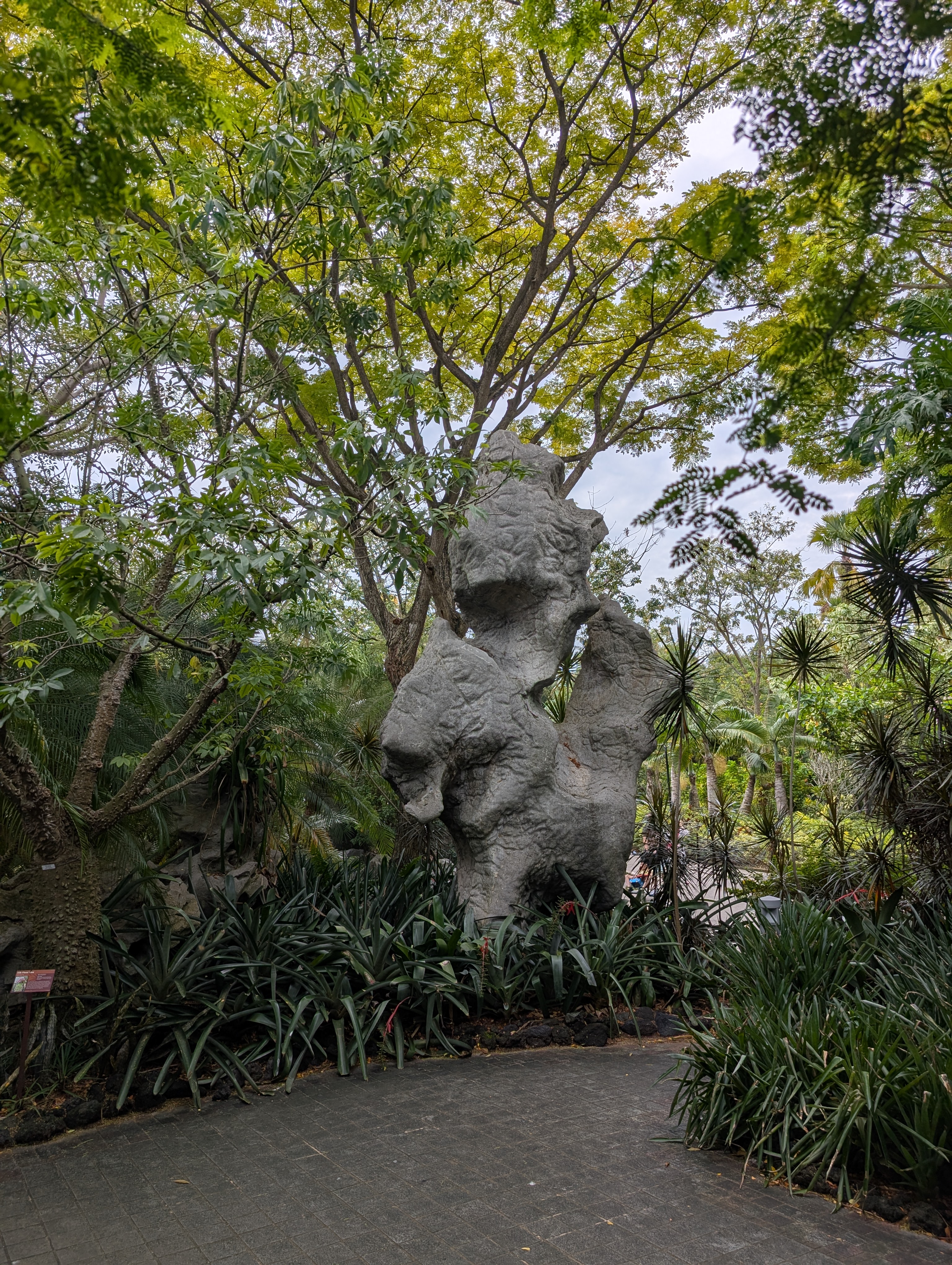
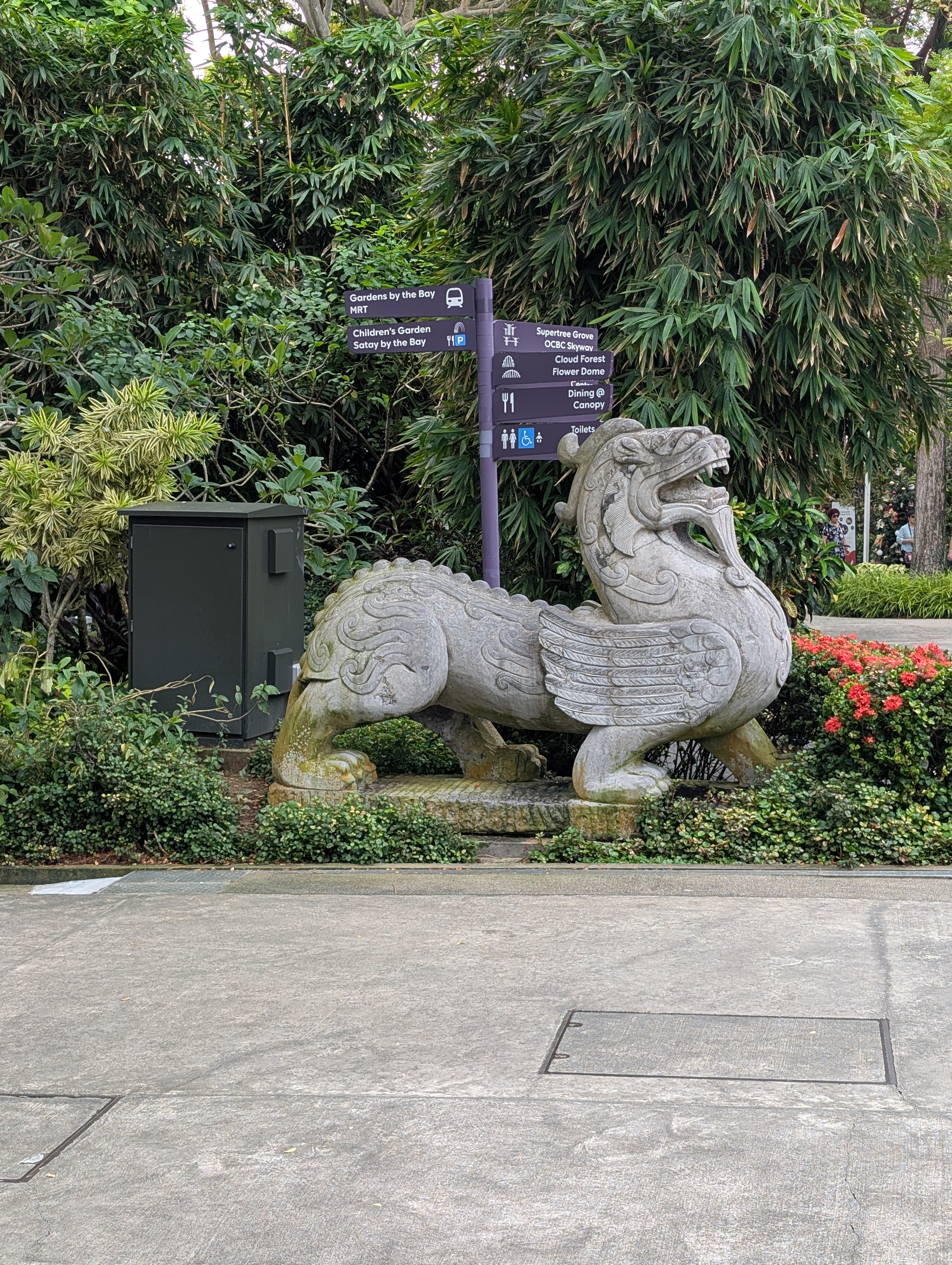
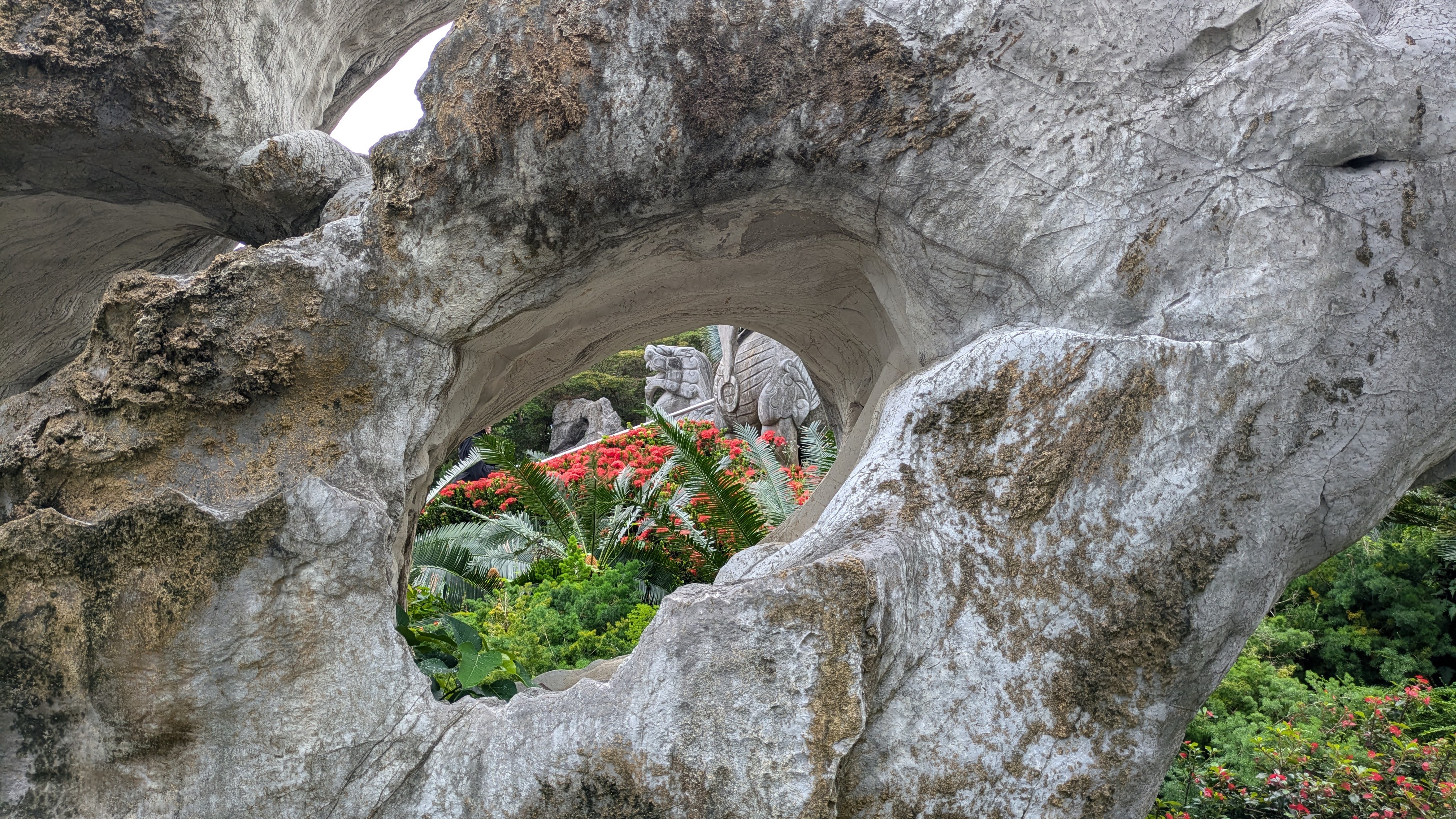
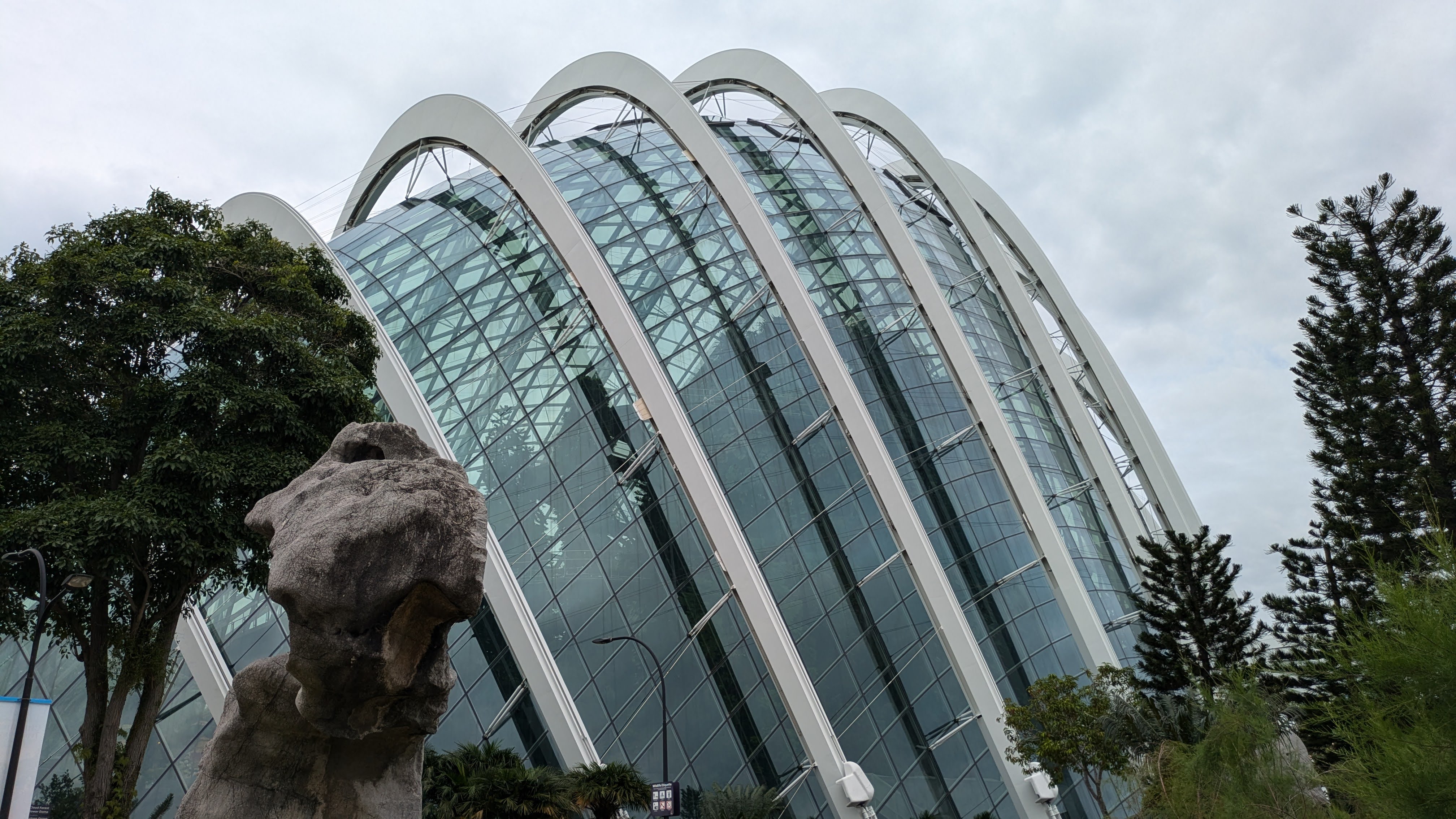
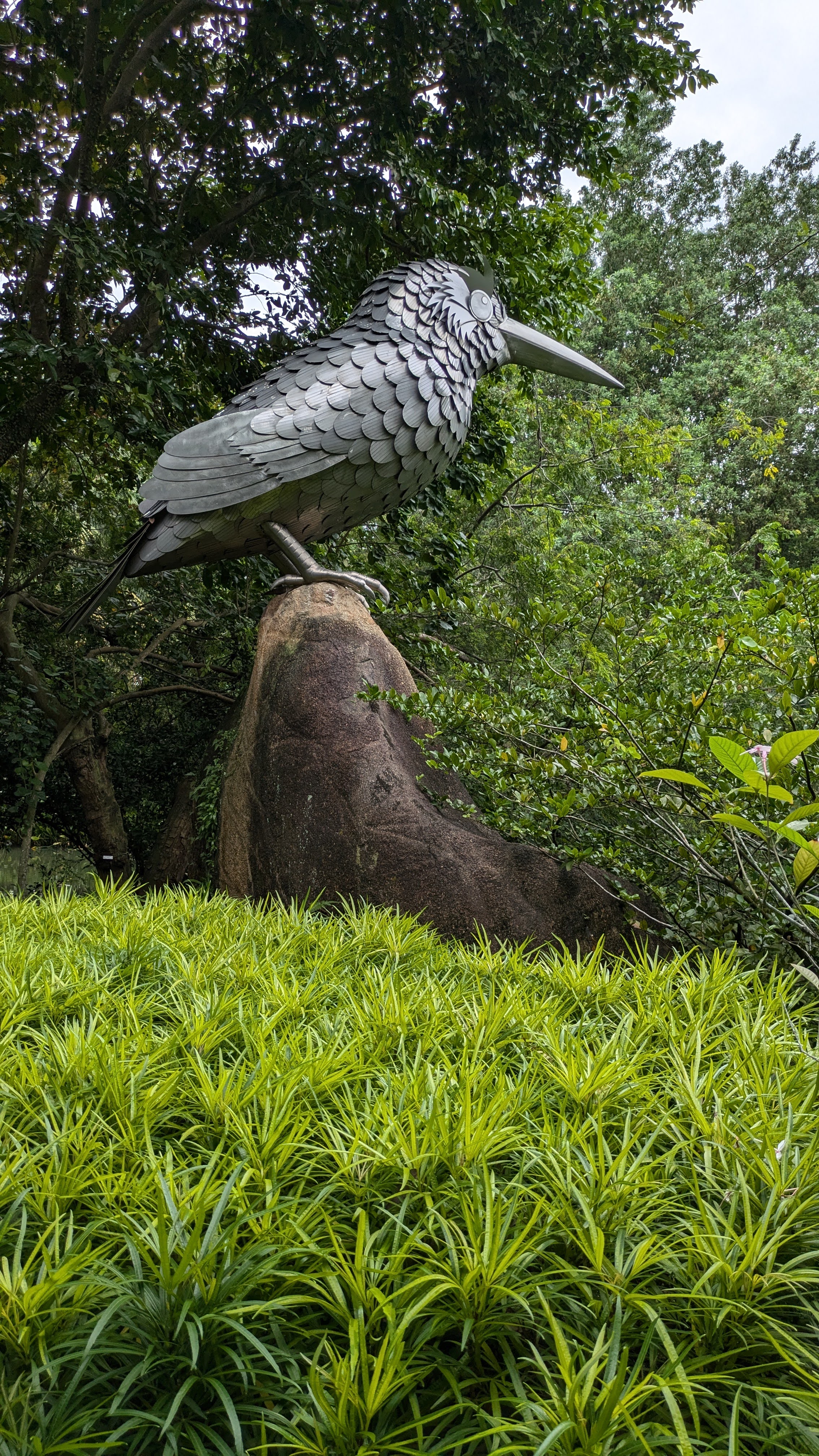
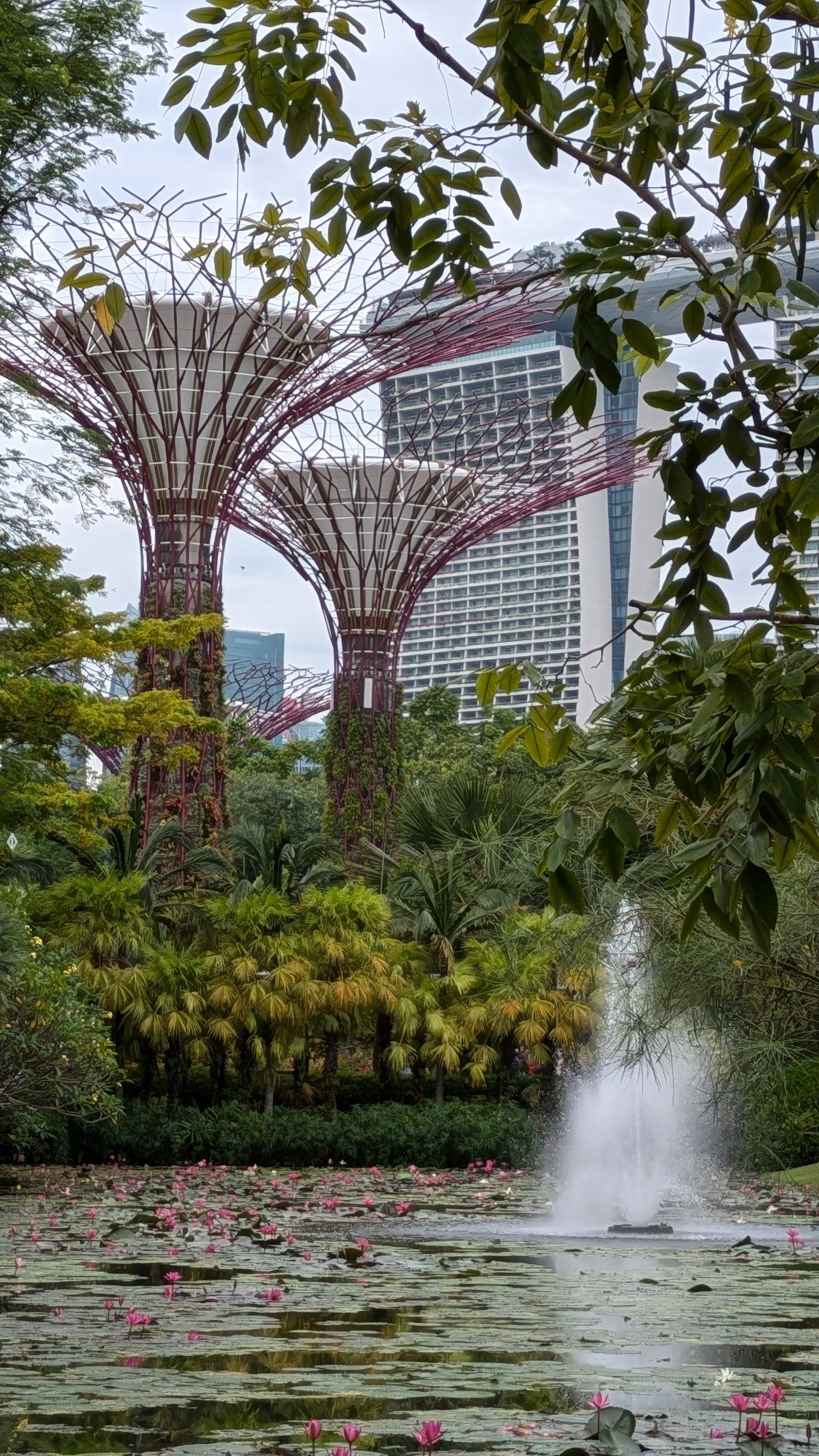
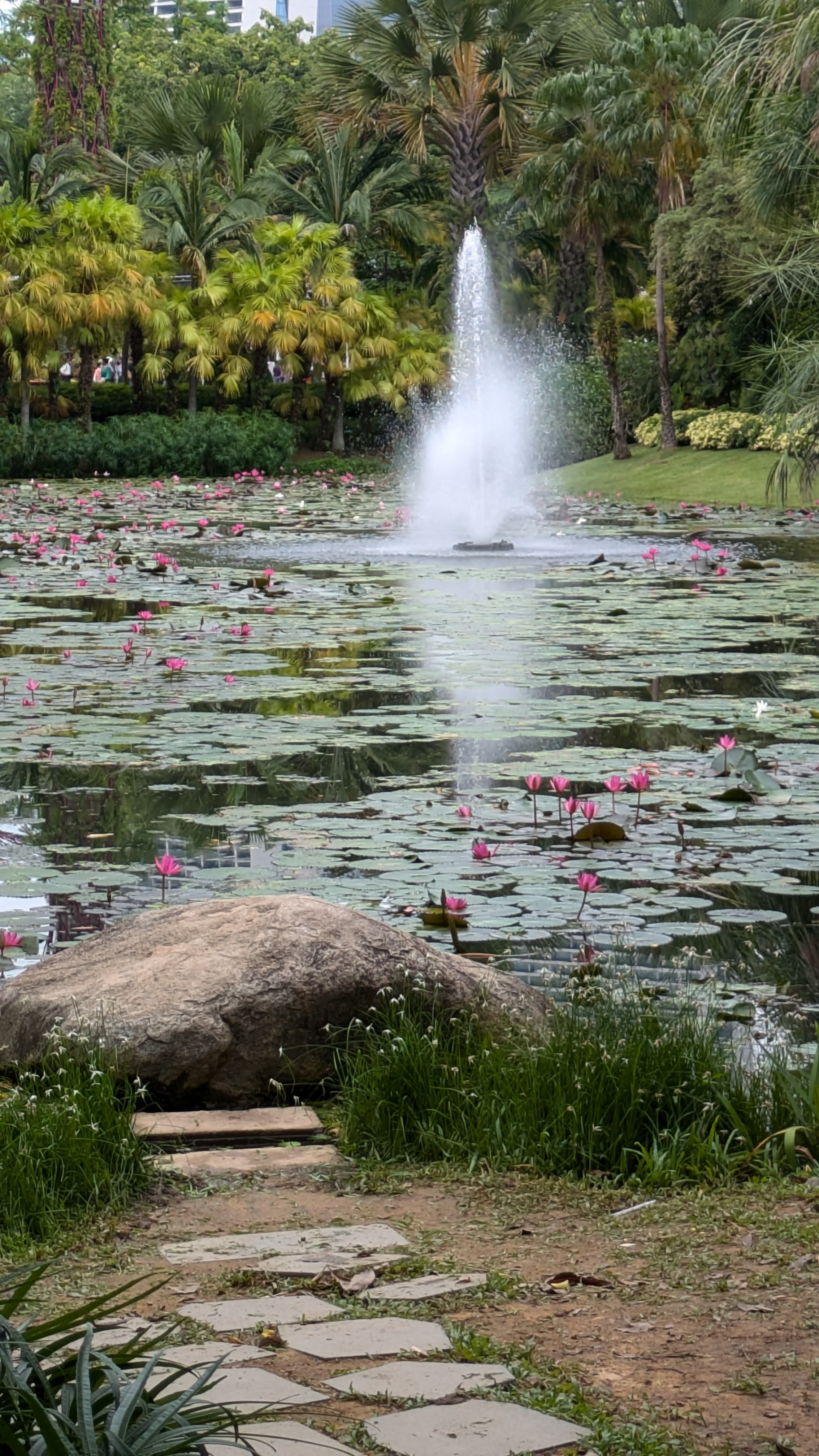
The gardens are a mix of gardens with a sculpture park thrown in for free.

The artificial trees are impressive, even more so at night when they are lit up. Unfortunately I don’t have a photo to prove it. The gardens are worth a visit.

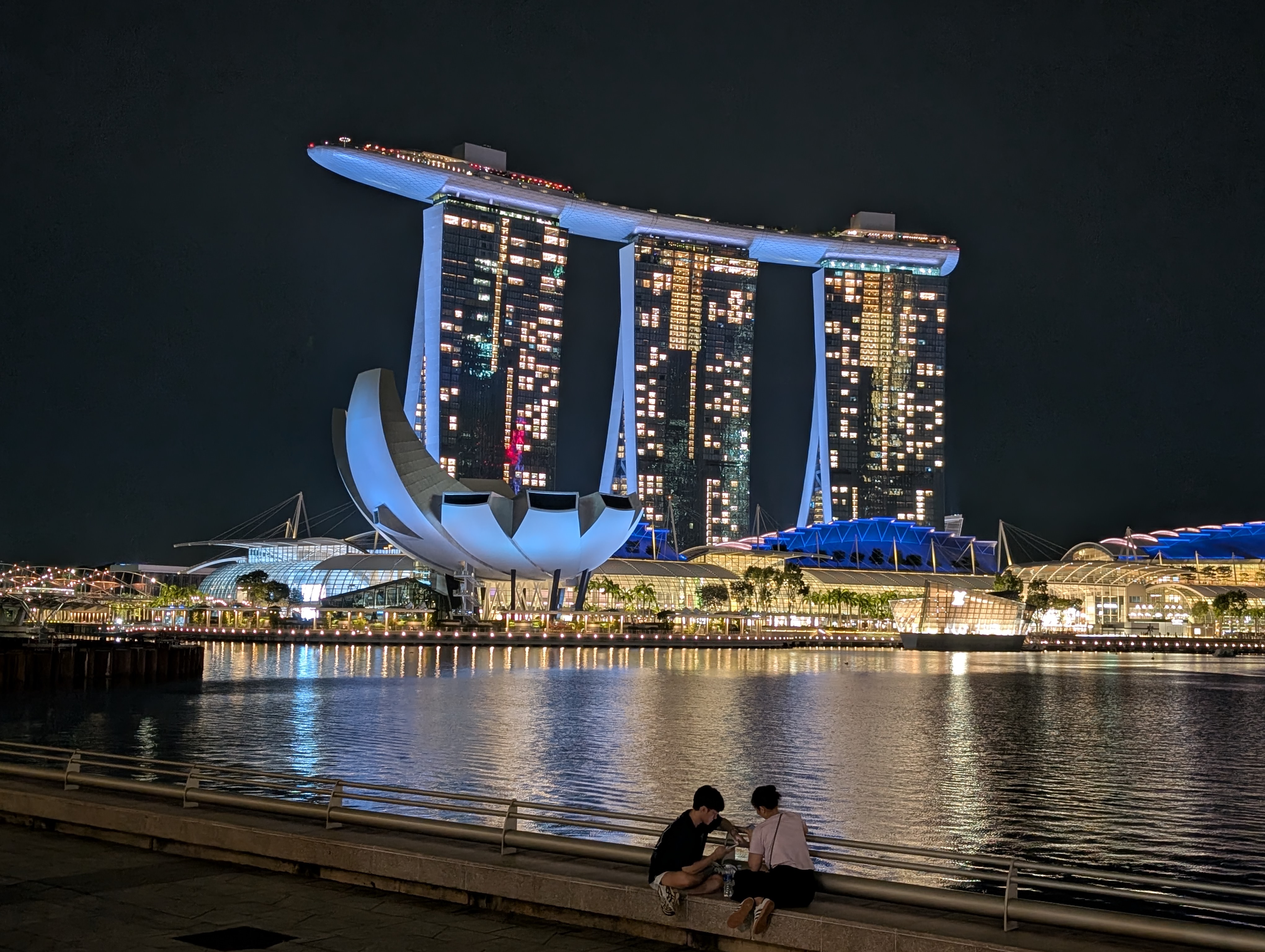
After the gardens we decided to visit the Art Science Museum. It is situated in an attractive flower shaped building.

It is part of the Marina Bay Sands Hotel / Shopping Mall complex. Like a lot of Singapore it is even more spectacular when lit up at night.

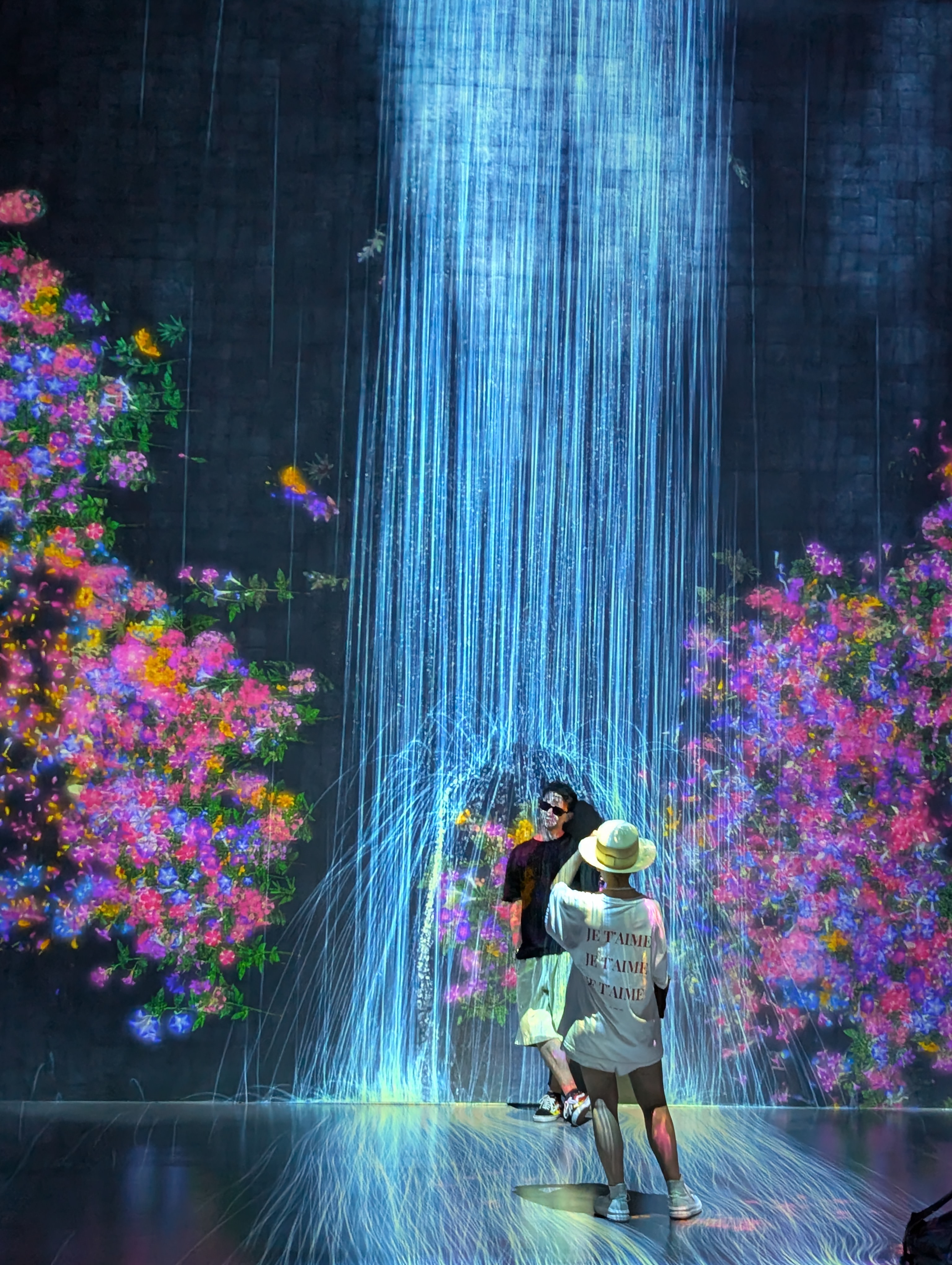
There were several exhibitions on in the museum. The one we went to see was called Future World

There were eight installations, more information is available if you click on the link above. They were all interactive but I particularly liked the first one.

Standing under the waterfall

The Sketch Aquarium was a lot of fun. You drew sea creatures and coloured them in. Then they were digitally scanned and they swam around the walls of the “aquarium”.

Diane’s green Jelly fish floating around. My shark is in there somewhere as well.

After all that excitement it was time to head back to the hotel. We needed to get changed for afternoon tea at the world famous Raffles Hotel. We couldn’t afford to stay there, but afternoon tea was an affordable luxury.

We decided we needed to dress up. I thought about wearing the suit I wore at Rob and Georgia’s wedding, but it was too crumpled. so I settled for a shirt and trousers. Diane chose her least crumpled frock.

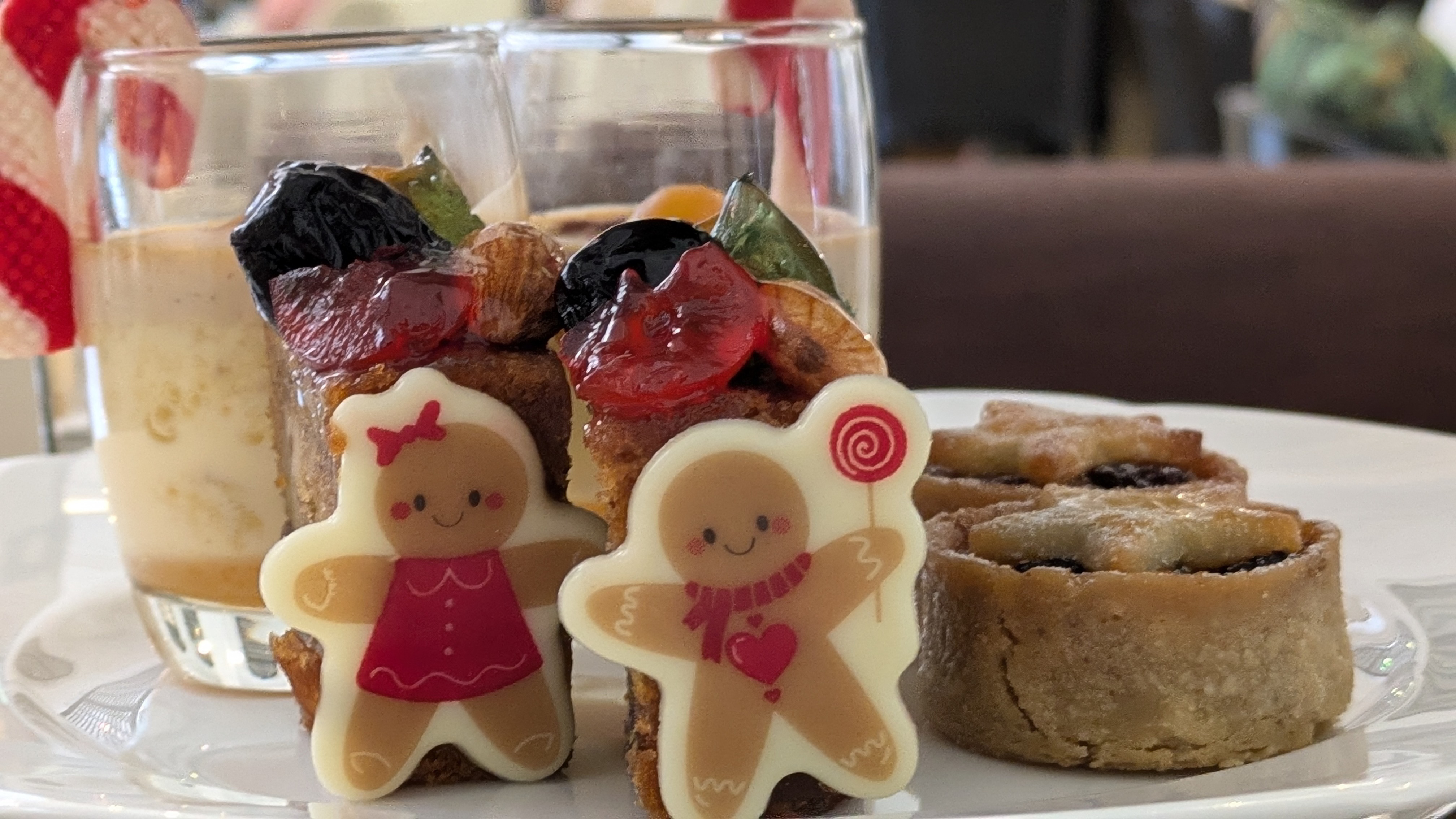
The afternoon tea was great. A touch of colonial decadence.

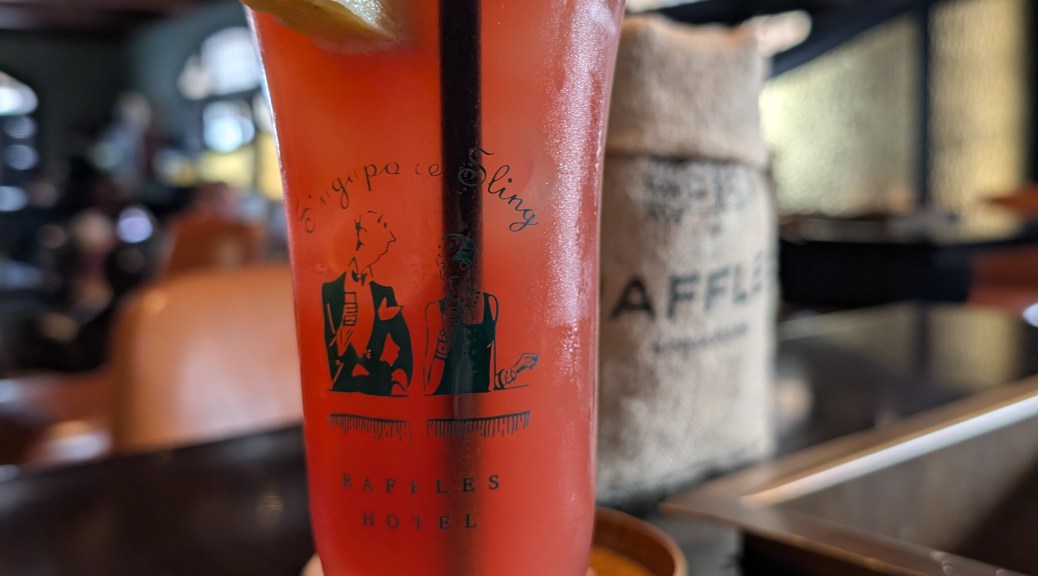
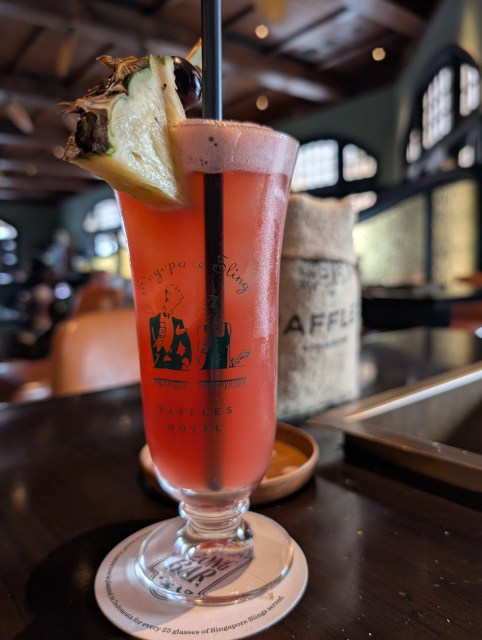
After we had eaten most of our tea, there were too many cakes, we headed for the Long Bar. The Long Bar is the home of the legendary Singapore Sling


Long Bar and the Singapore Sling

In colonial Singapore of the early 1900s, when improved rail and road systems were bringing rubber and palm oil plantation owners to Singapore from Malaya every weekend, Long Bar was located at Cad’s Alley. Not a formal bar, but rather tables placed next to each other facing Bras Basah Road, it was known as ‘the rendezvous of planters’, a good vantage point for watching the world go by.

It was common to see gentlemen nursing glasses of gin or whisky, but etiquette dictated that the ladies could not consume alcohol in public. For the sake of modesty, they were served with teas and fruit juices. In 1915, resourceful Raffles bartender Ngiam Tong Boon decided to create a cocktail that looked like plain fruit juice but was actually infused with gin and liqueurs. Based on gin, it also contains pineapple juice, lime juice, curaçao and Bénédictine, while grenadine and cherry liqueur give it its rosy pink hue. This deliberately feminine touch, together with the use of clear alcohol, led people to believe the cocktail was socially acceptable for women. With that, the Singapore Sling was born and, needless to say, it became an instant hit.

Diane’s cousin, who died last year, spent three or four years in Singapore when she worked for the Foreign Office. She was particularly fond of a Singapore Sling, and apparently often drank in the Long Bar. So we had to have one to remember her.

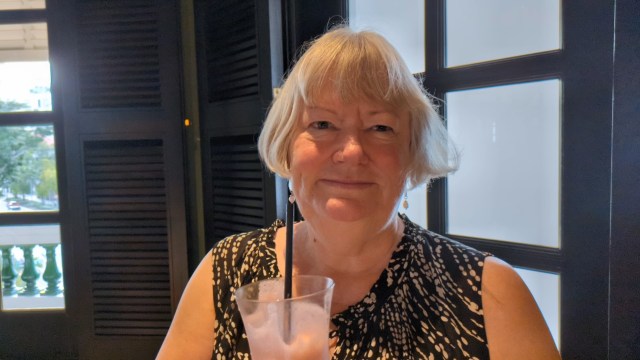
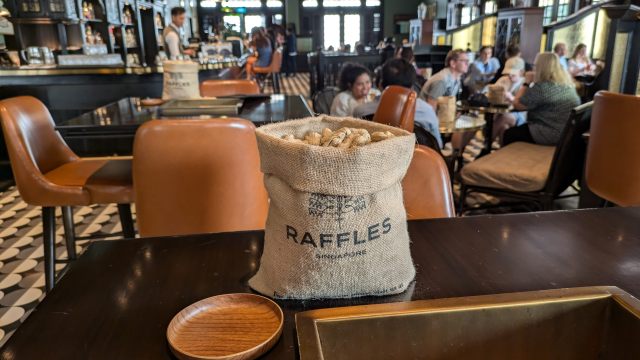
The peanuts are complimentary. You are supposed to brush the shells onto the floor. The Sling is very fruity, slightly too sweet for my tastes, and also very expensive at about £20 per drink. We only had one.

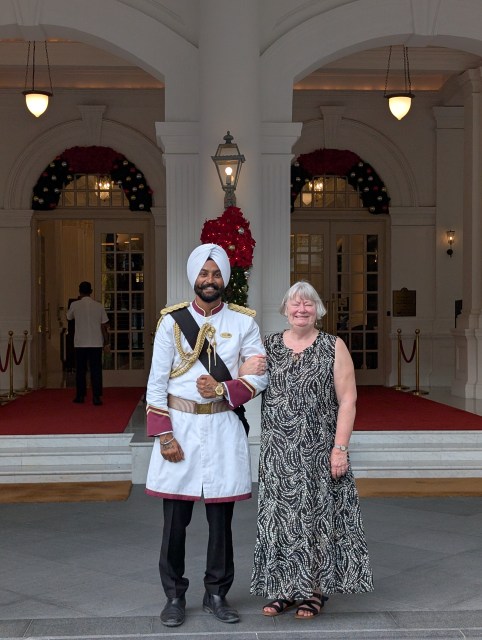
While we were waiting for our taxi back to our hotel, Diane made a friend.

Raffles Hotel Doorman

It was then that we discovered that taxis at peak time are more expensive than off peak.

We got back to the hotel sat down, and went to sleep. When we woke up we decided that we couldn’t be bothered to go out to eat. We weren’t that hungry anyway. So we changed into our pyjamas and called room service.

A really good light meal to finish off a decadent day.