Exploring Singapore: My First Impressions

Days 35-36 Nov 30th – Dec 1st

Our flight from Christchurch landed in Singapore about 5:30 pm local time. It was beginning to turn dark as we headed off to our hotel. Our driver gave us a quick introductory tour of Singapore as he took what he described as the “scenic route”. I didn’t really take that much in. Although it was only six thirty pm in Singapore, my brain was still on New Zealand time.

My first impression was a lot of very tall glass and steel buildings. Impressive, but a long cry from the South Island. We arrived at the hotel. As we stepped out of the car, the heat hit us. Thankfully it was only a few steps to the impressive, air-conditioned atrium. This was by a long way the flashiest hotel we had stayed in.
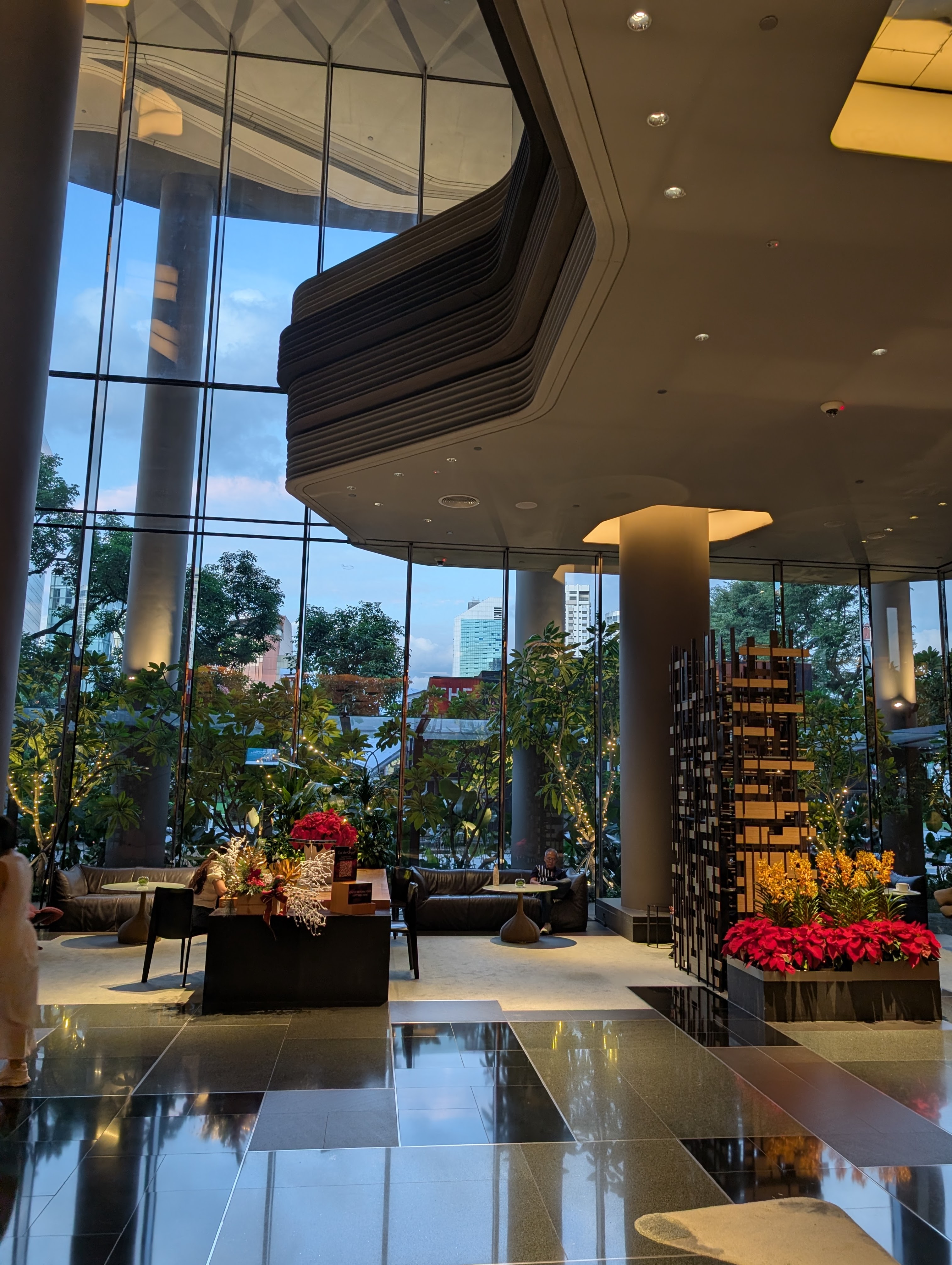
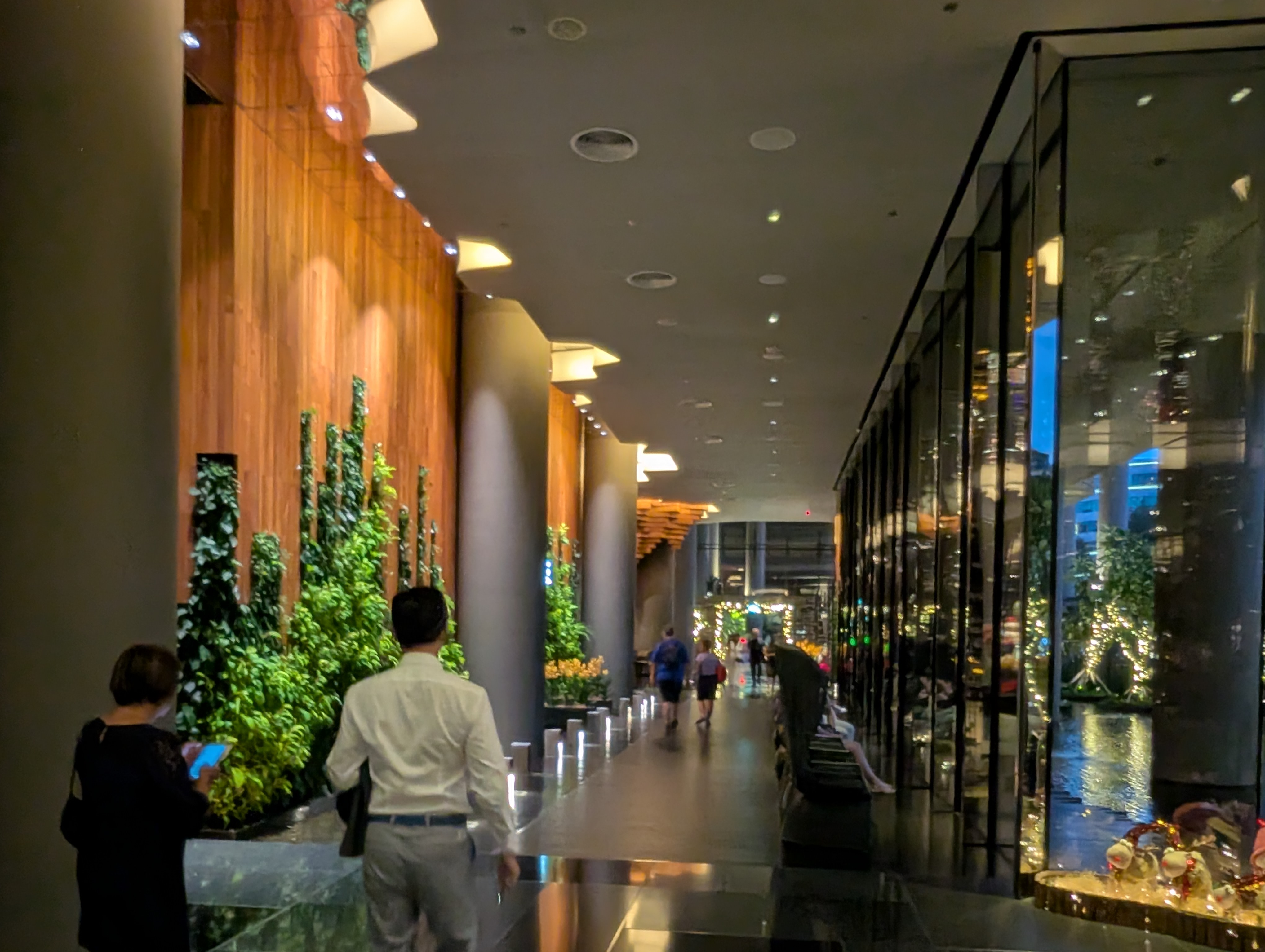
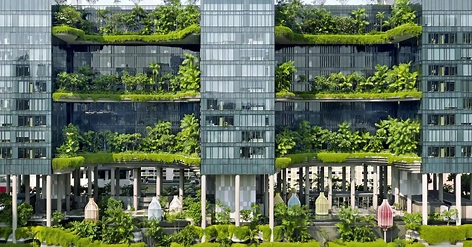
We were taken to our room on the 10th floor. Described as a garden room. The hotel has vertical gardens, part of the Singapore government’s green initiative.
The room smelt musty as we entered. I thought that a few minutes with the air-conditioning on would solve the problem. It helped but didn’t solve it completely.

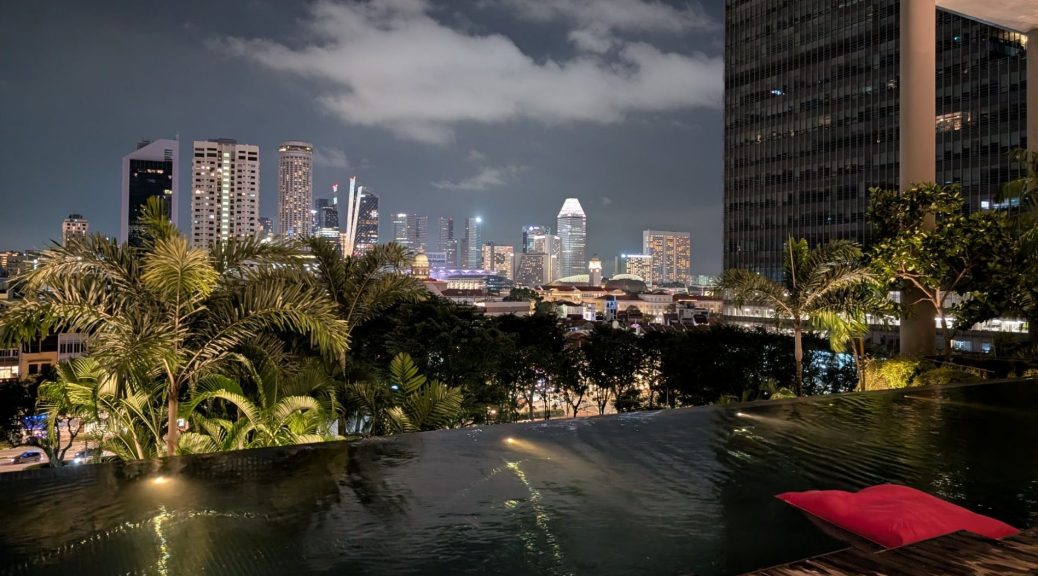
We decided to see what the hotel had to offer. Specifically, Diane wanted to check out the swimming pool. Situated on the fifth floor it gave a great view of Singapore.
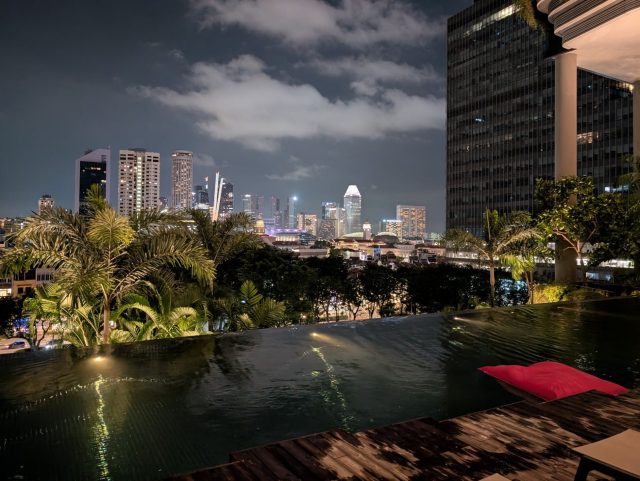
After that we decided that a beer and something to eat was in order, then bed.


The room still smelt musty the next morning. Diane said it was making her feel slightly sick.

We went down for breakfast. During breakfast I had one of the more surreal experiences of my life. Eating breakfast in a hotel 1° north of the equator listening to Dean Martin singing “Let it Snow”. Sorry, not going to happen mate. We ate breakfast. It was a very good buffet.

After breakfast we asked the hotel if they could do anything about the musty smell in our room. The hotel agreed to give us a different room.

We has to delay changing rooms as we had a tour of Singapore arranged. The tour was slightly disrupted because of road closures for the Singapore Marathon that was taking place that day.


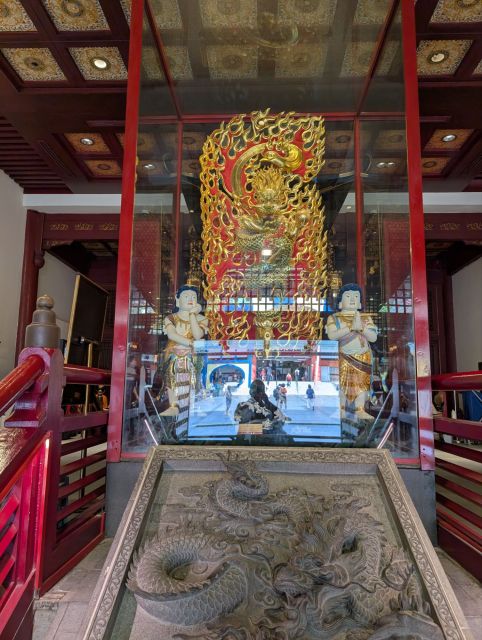
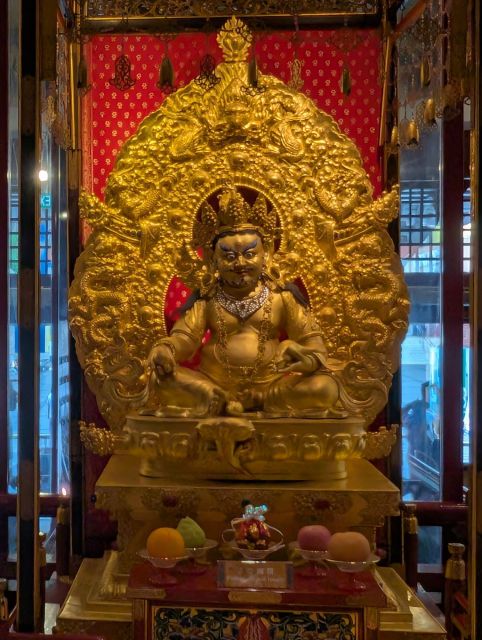
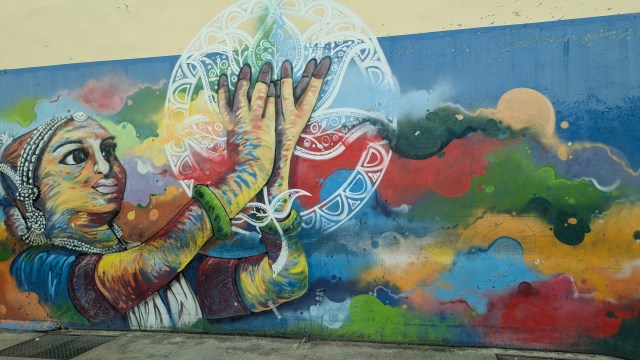
The tour took us to the Sri Mariamman Hindu temple. Then on to a Buddhist temple, The Buddha Tooth Relic temple. This temple holds a tooth reputed to belong to the Buddha. We didn’t see the tooth. We then went on to Chinatown and “Little India. We finished up at the National Botanic Gardens
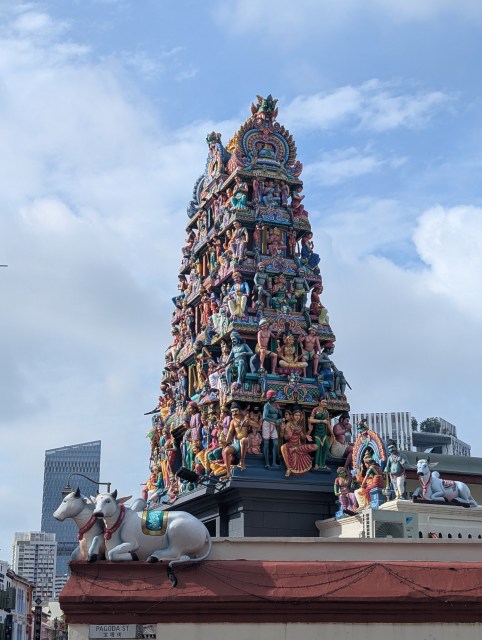
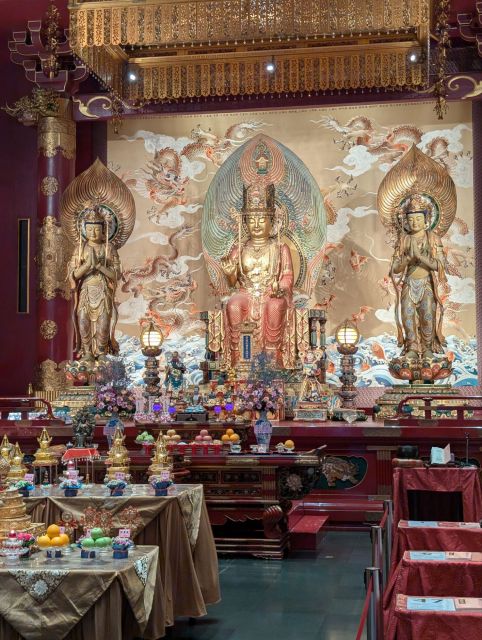
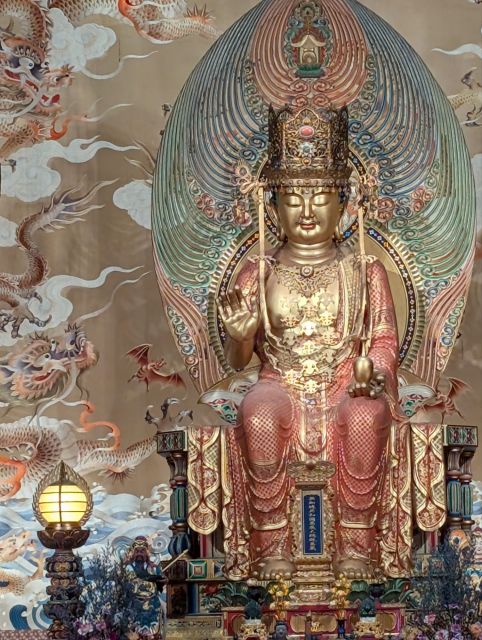
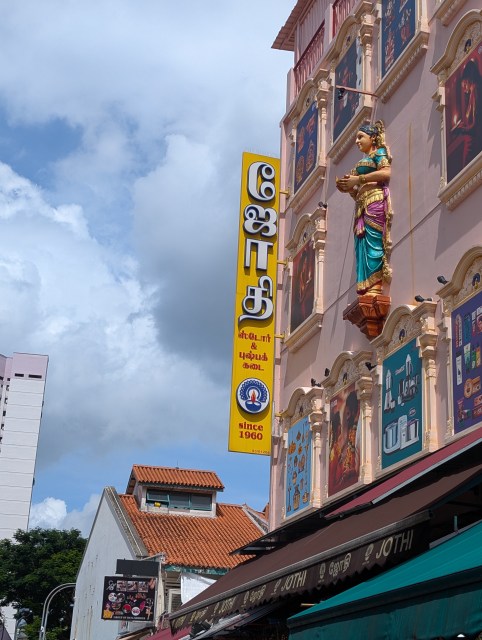
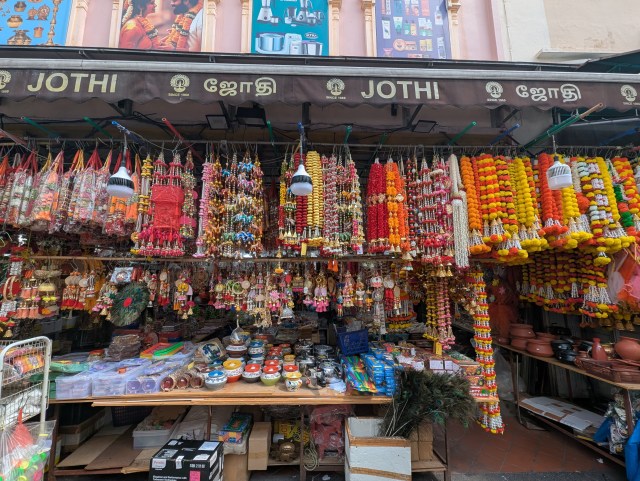
After the temple we moved on to “Little India”. If i am being completely honest, it wasn’t all that much different to many Indian areas in the UK. Just a lot hotter.
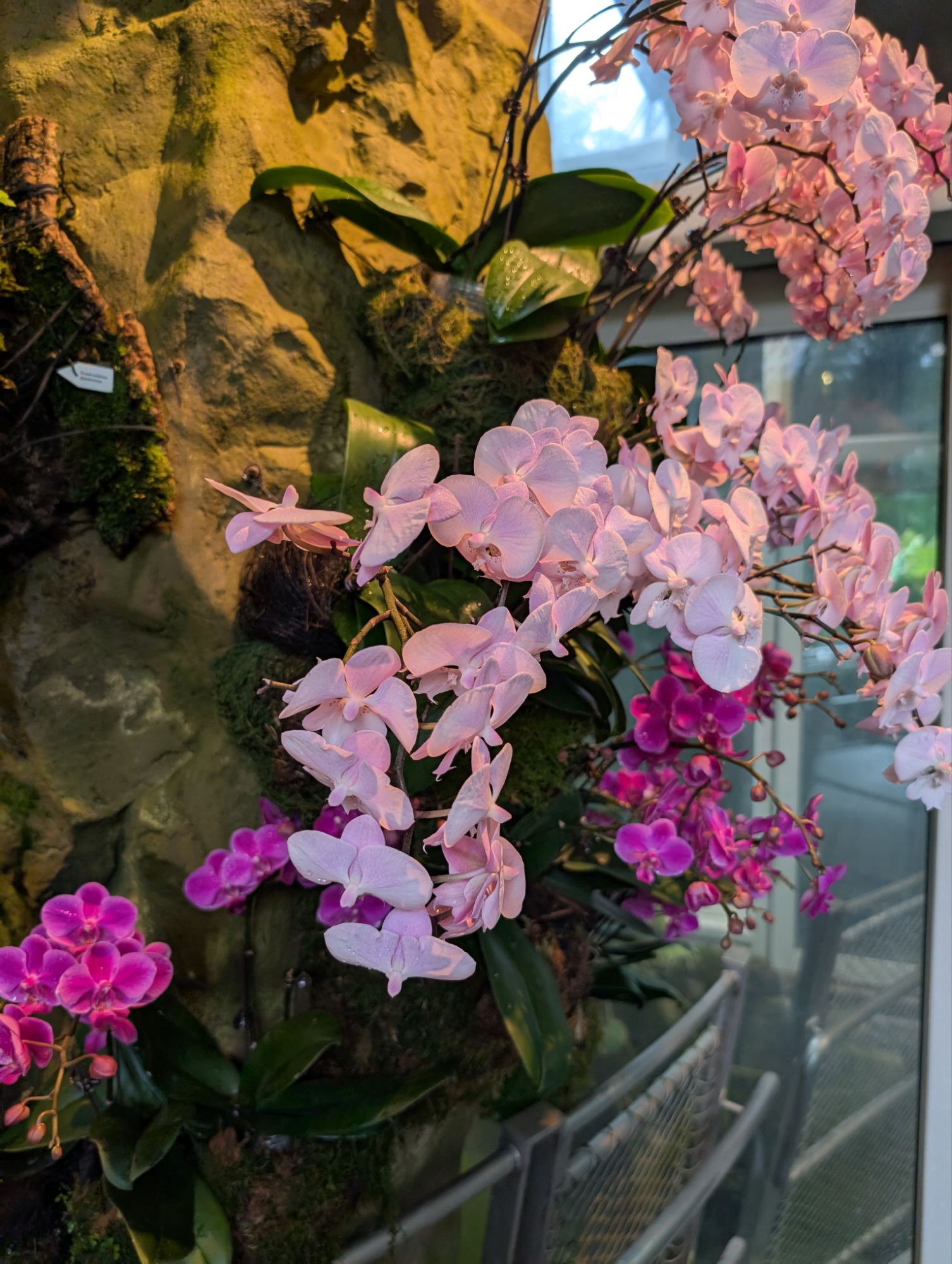
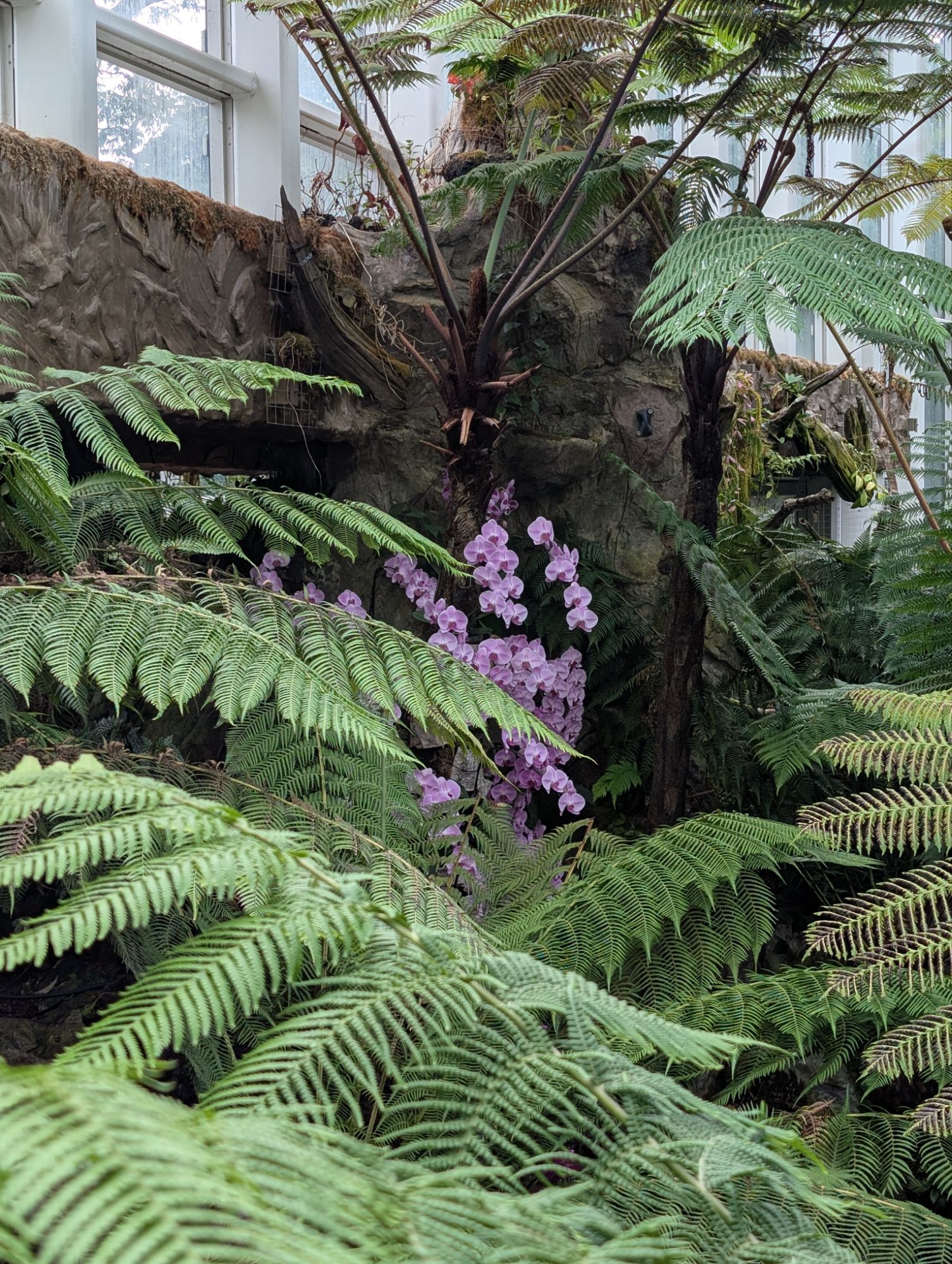
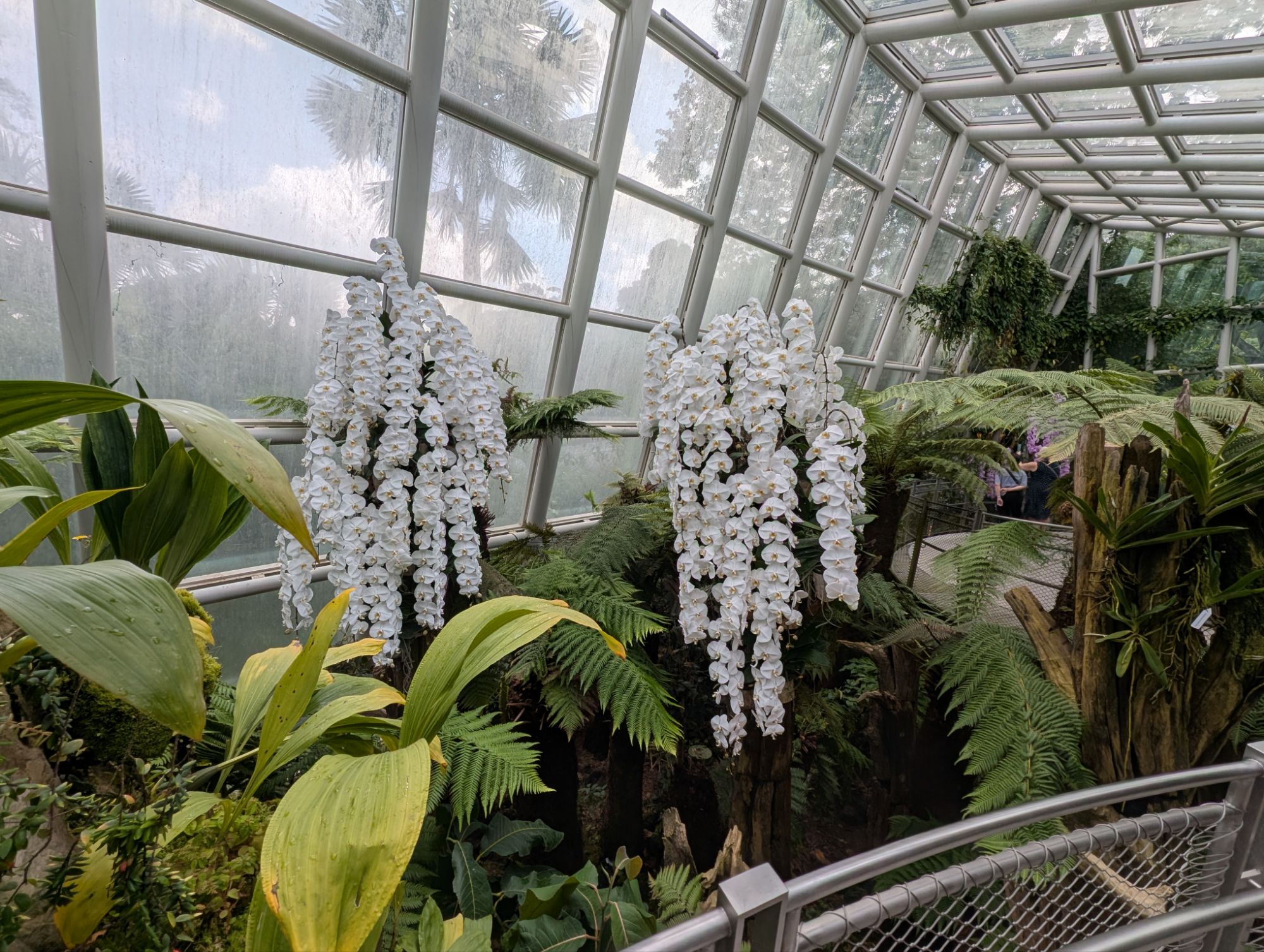
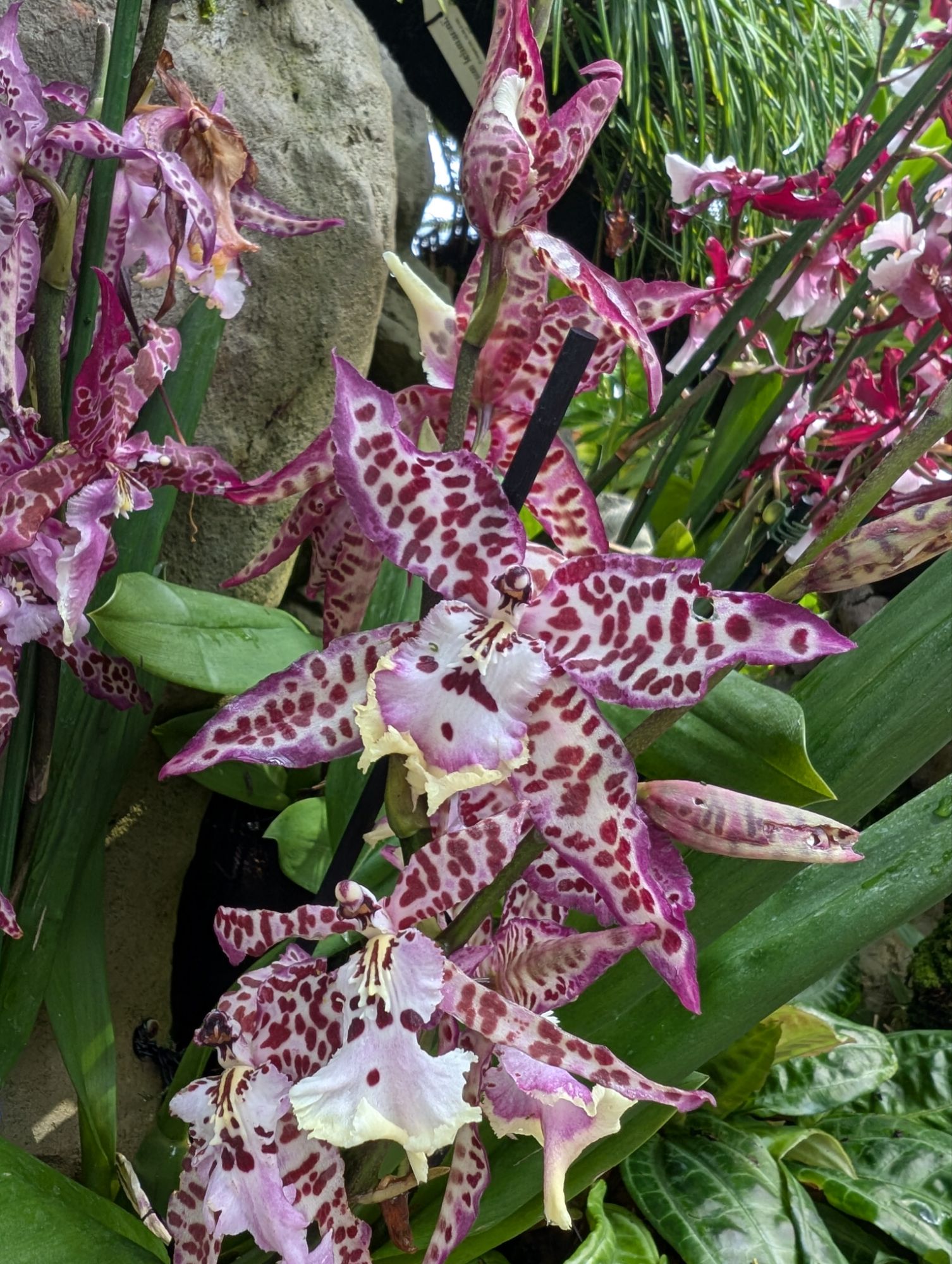
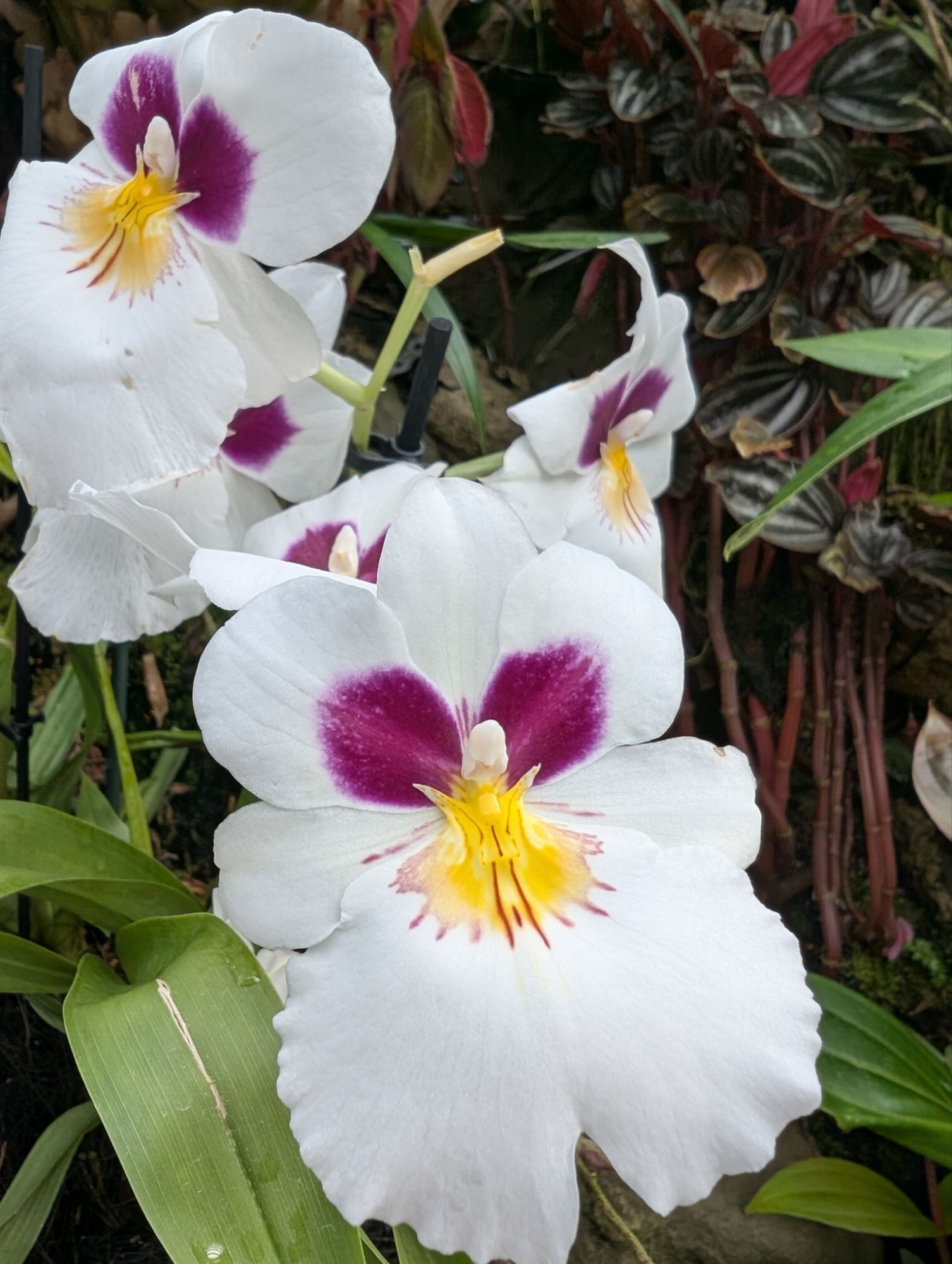
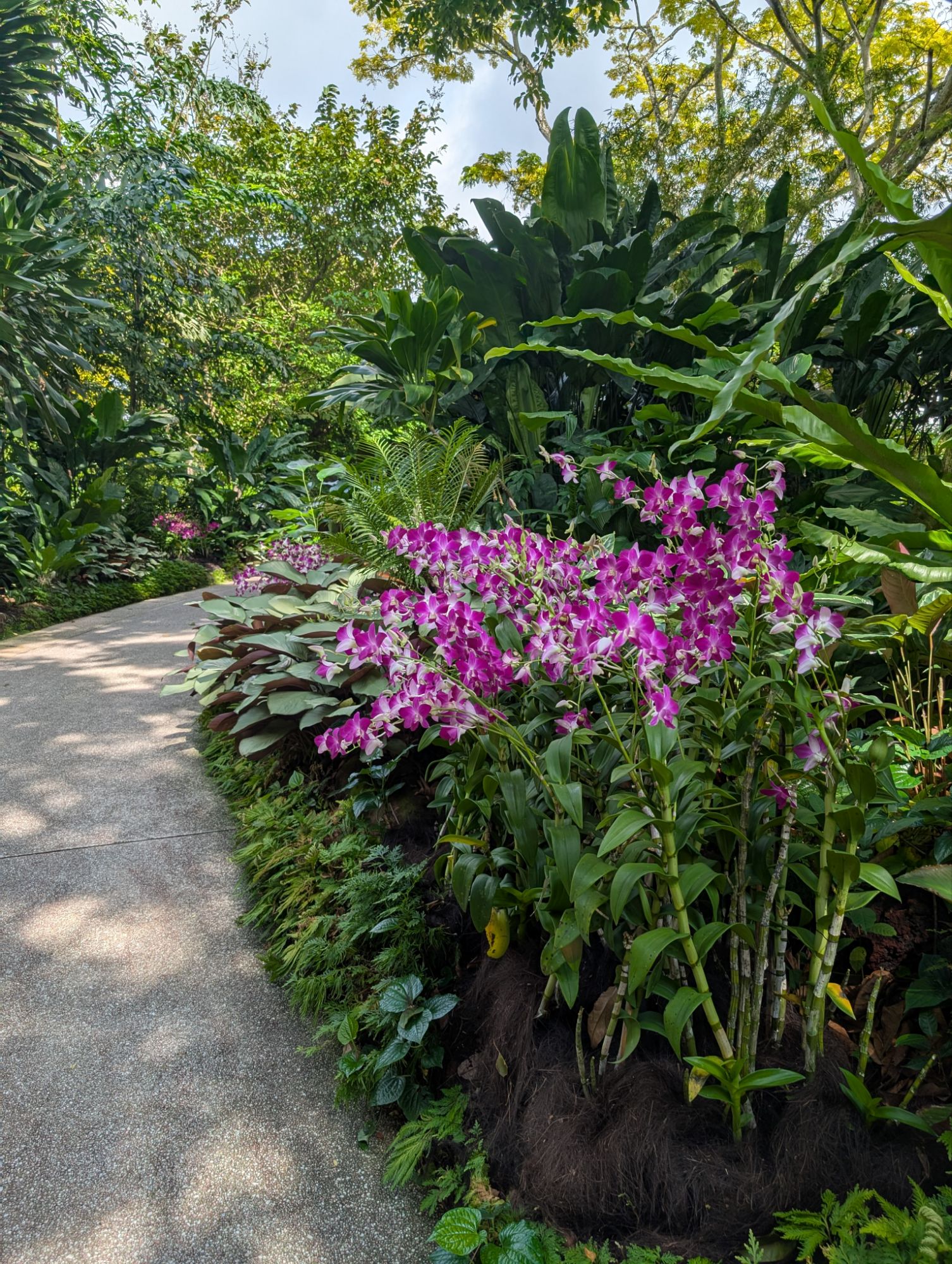
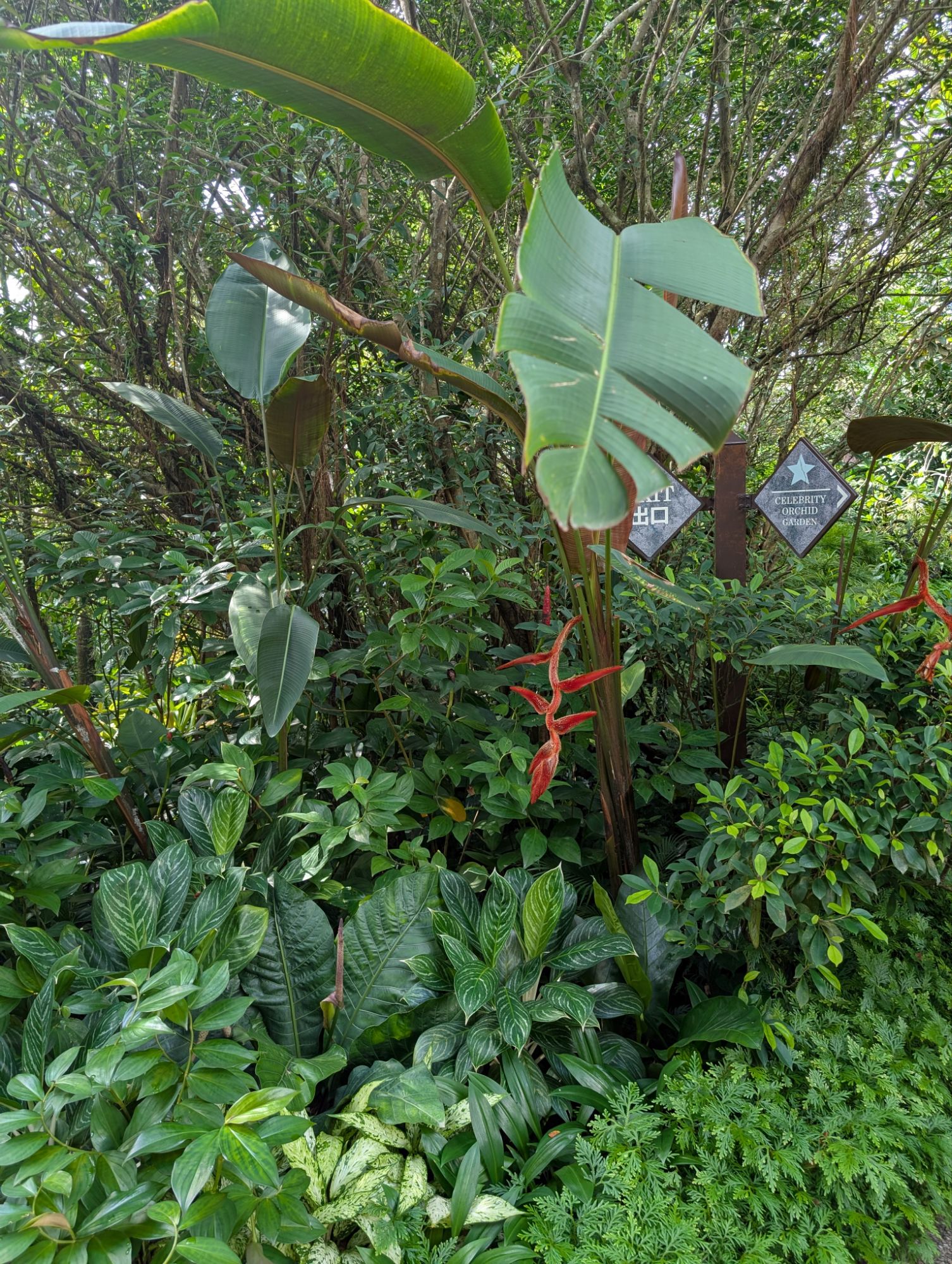
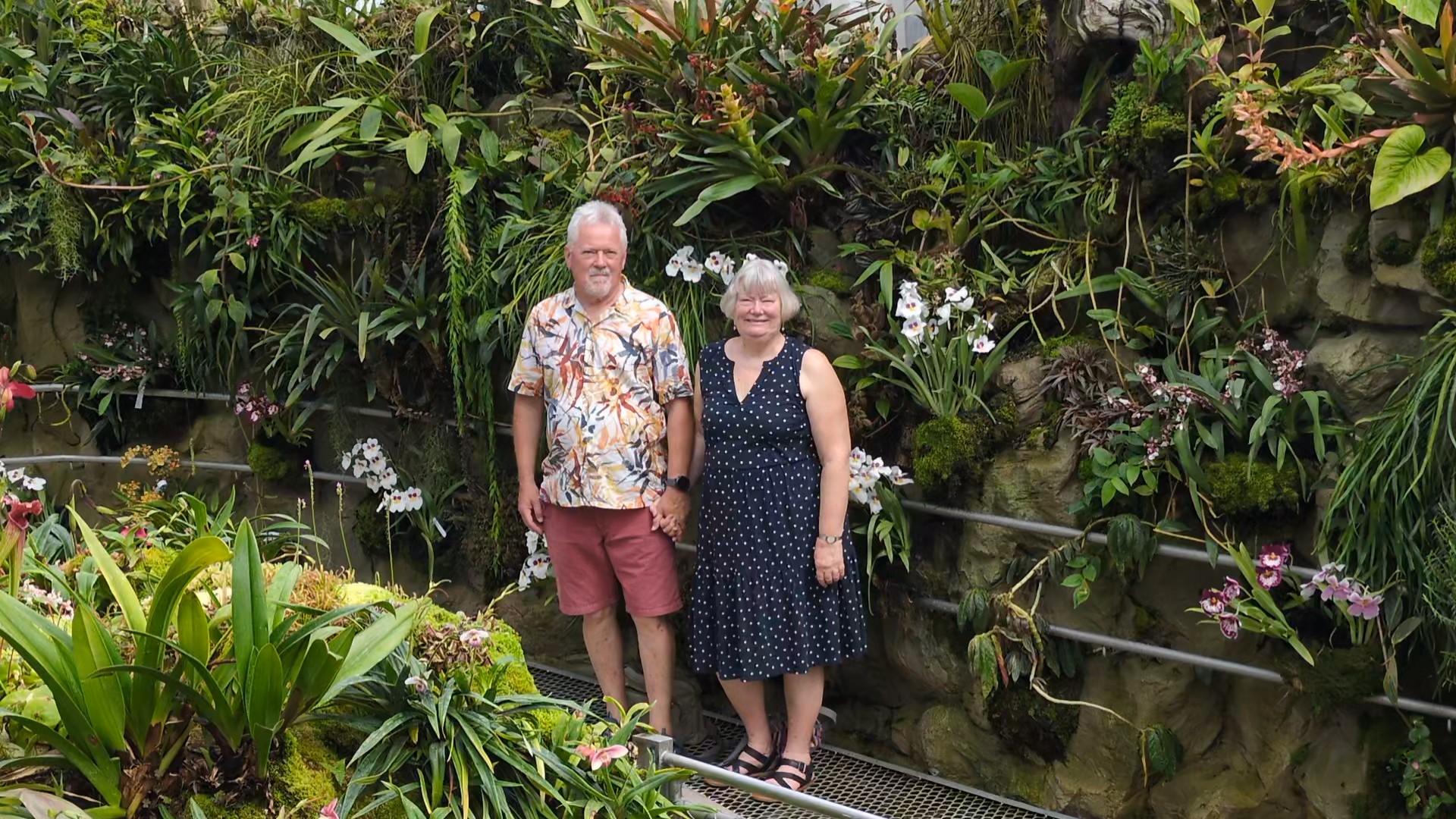
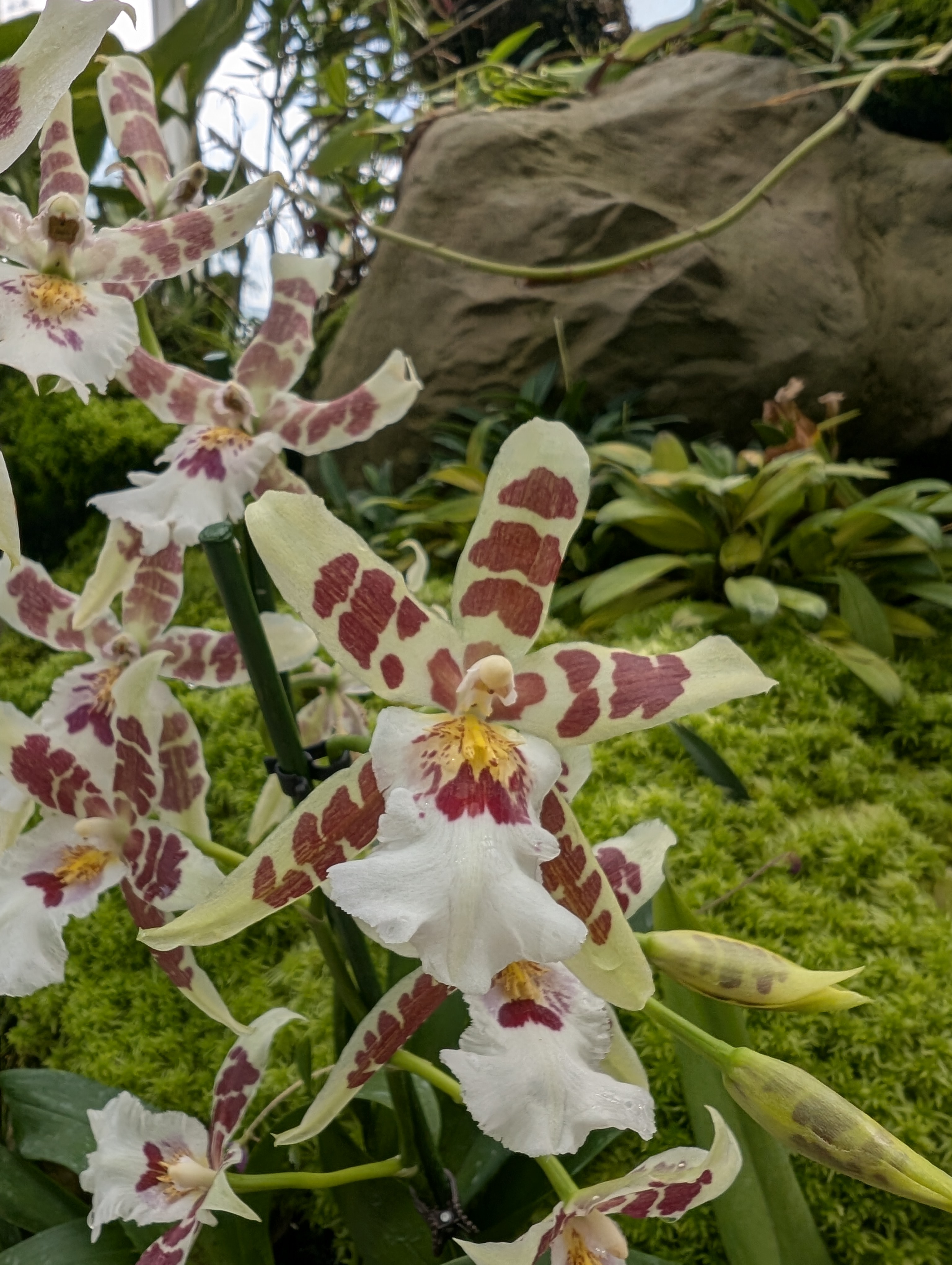
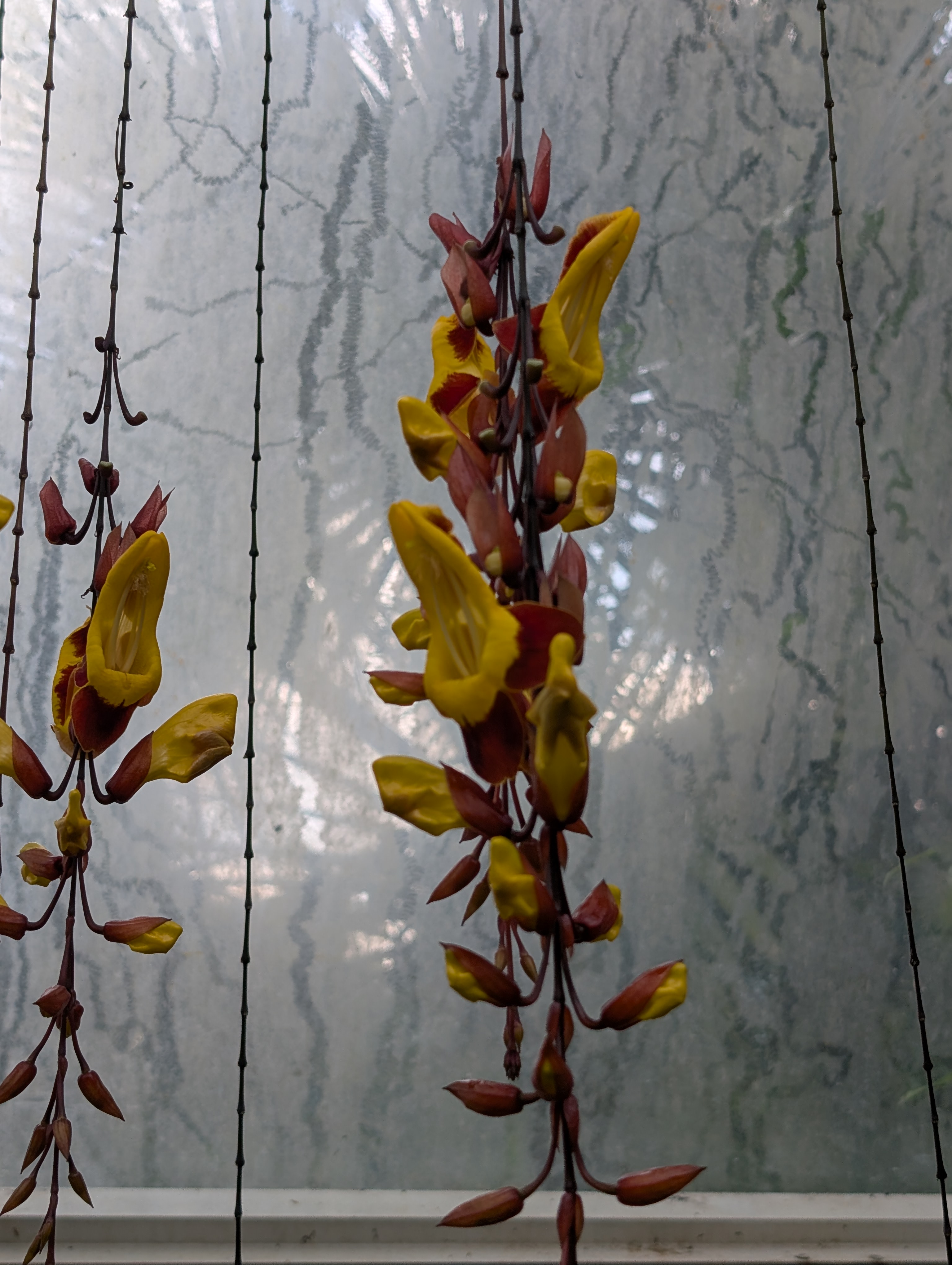
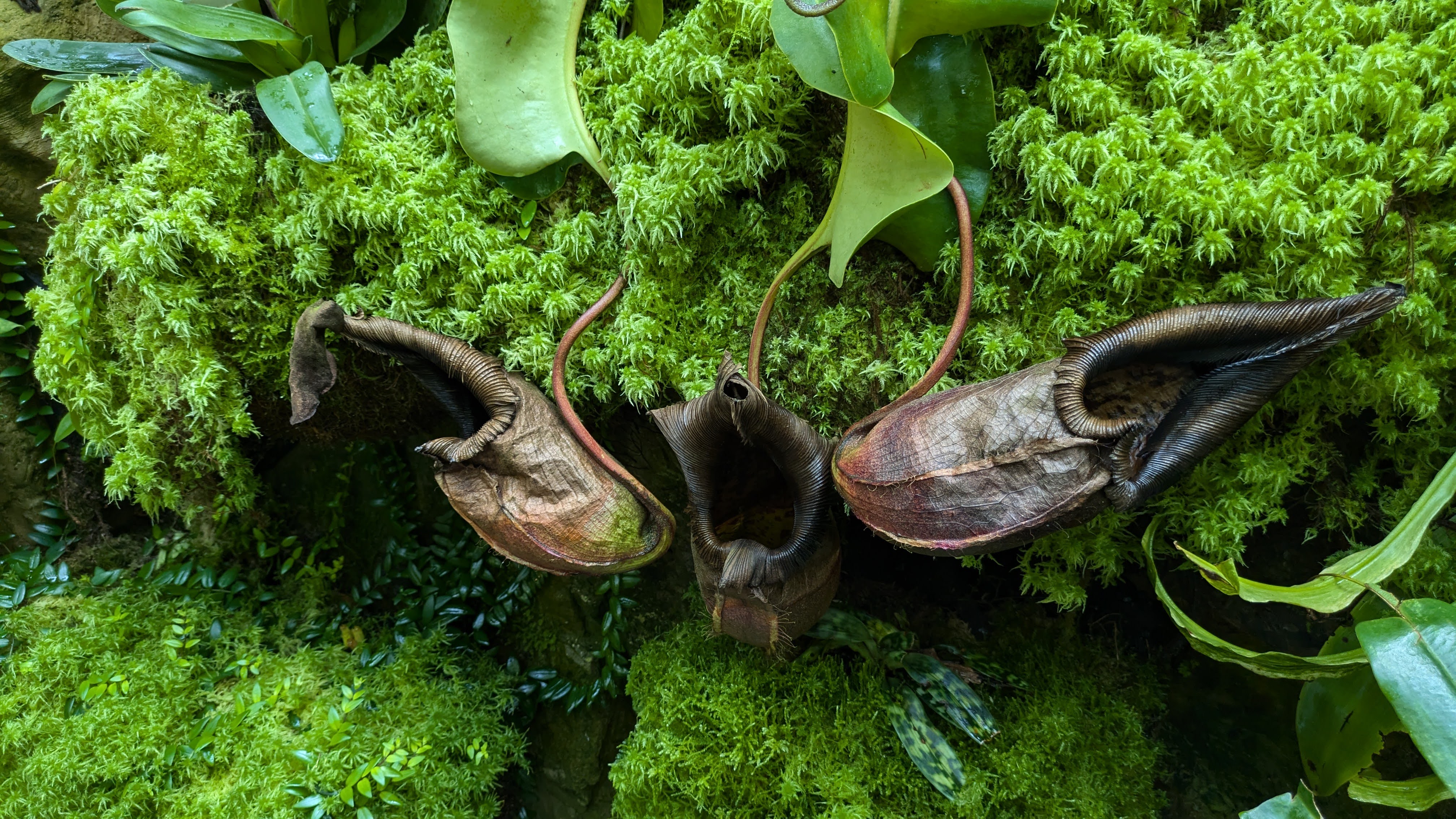
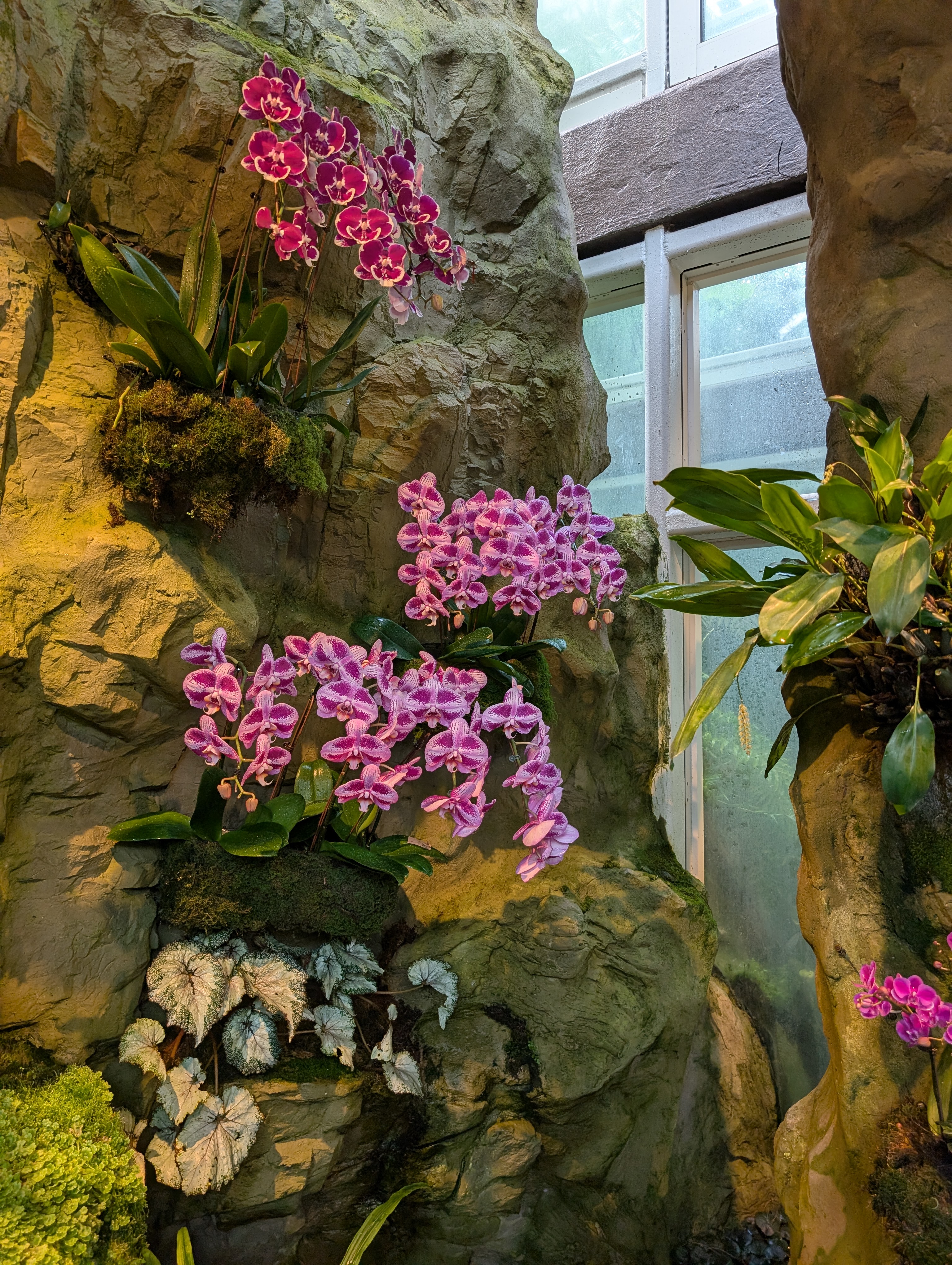
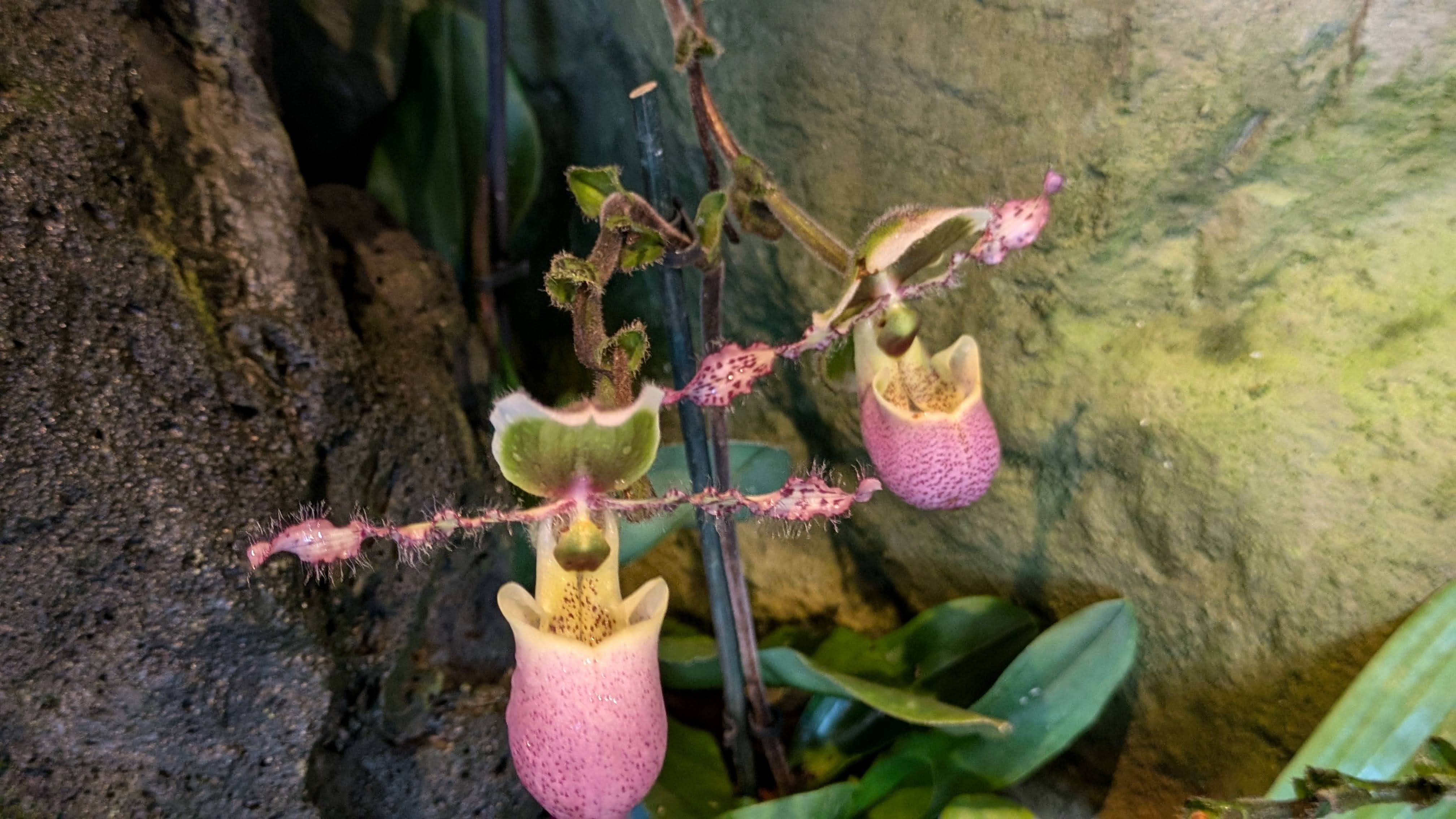
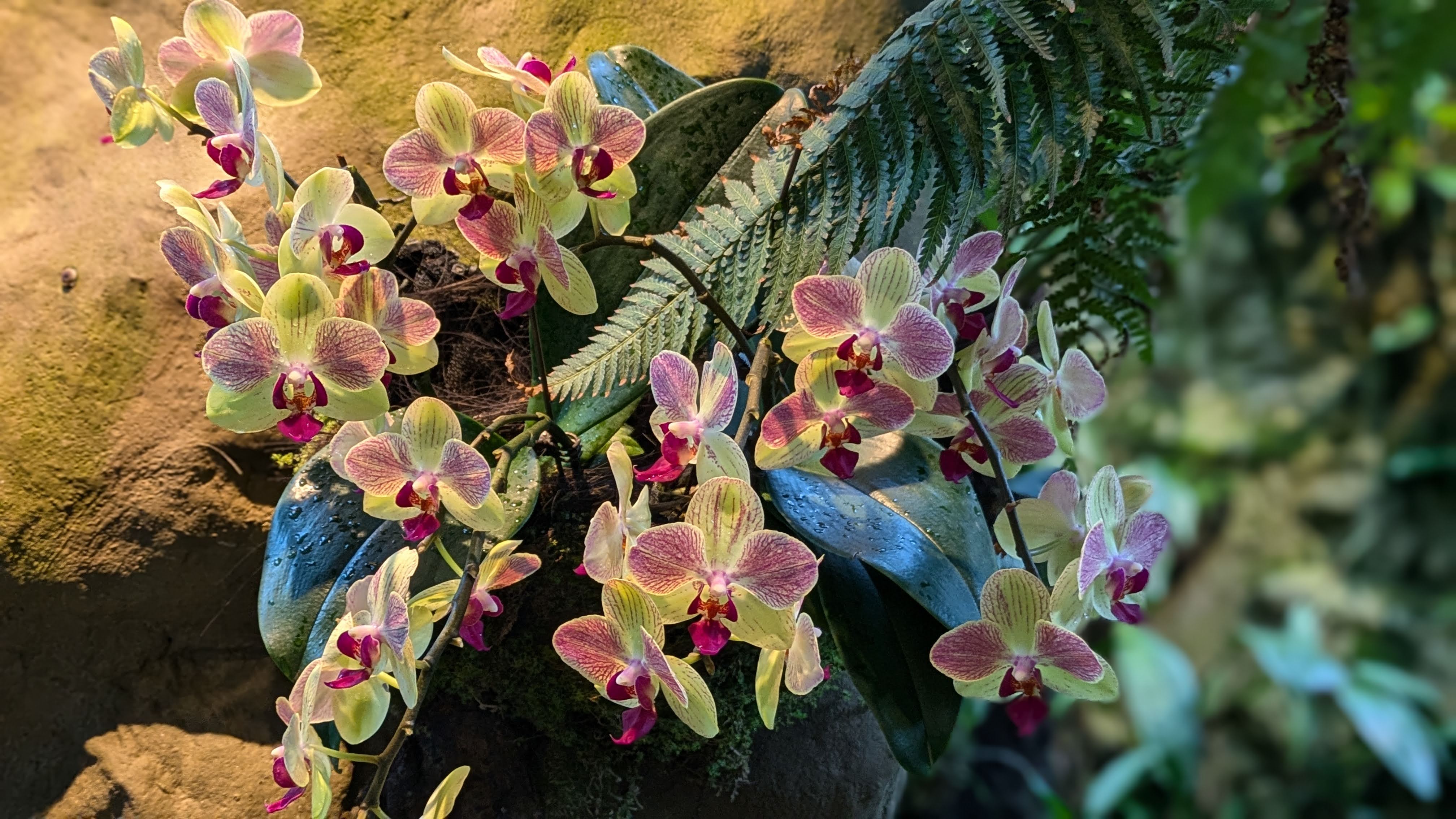
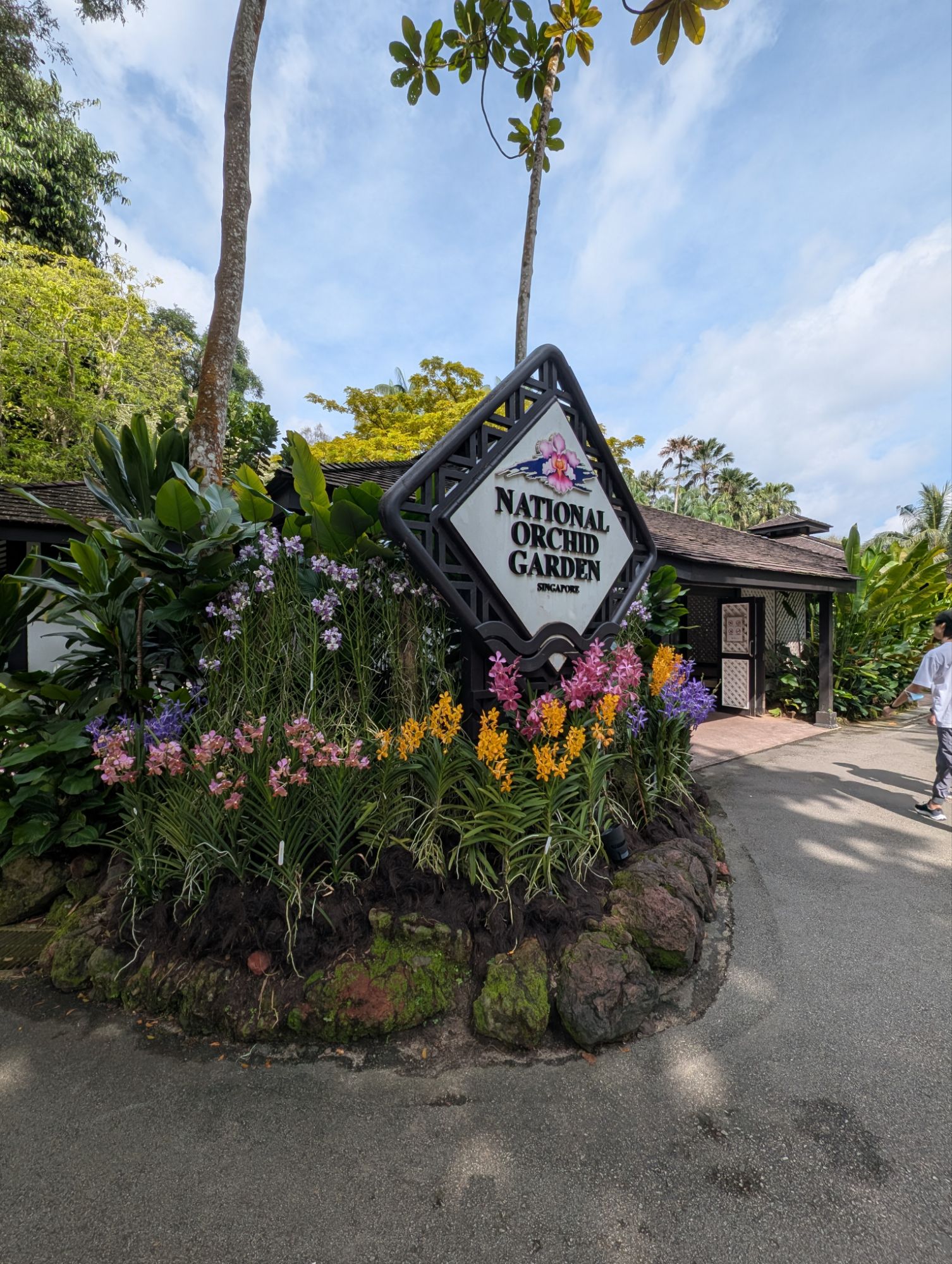
We then moved on to the Singapore Botanic Gardens. They have an incredible range of tropical plants and probably the largest orchid collection in the world. They also have a temperate house. It is like the tropical house at Kew, except in reverse. It is air conditioned rather than heated.
  • pxl_20241201_0225053318192766754971102726
  • pxl_20241201_024749758547853078023172127
  • pxl_20241201_0253516256946291483610173139
  • pxl_20241201_0248435779053575660648655835
  • pxl_20241201_0249459162625153315869266959
  • pxl_20241201_0246326788989360273077535409
  • pxl_20241201_0248055045901304995766449000
  • pxl_20241201_0232094216519263006888733028
  • pxl_20241201_0229555884992908683335423143
  • pxl_20241201_0250393856558189659192749564

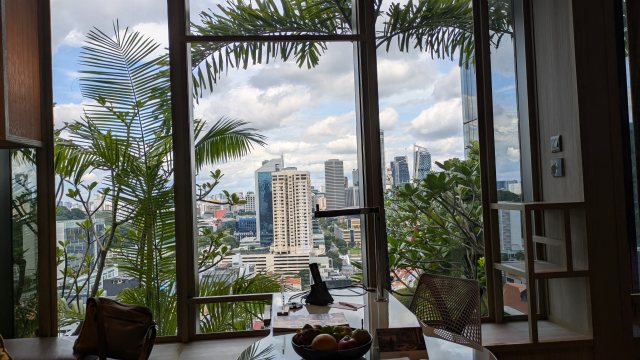
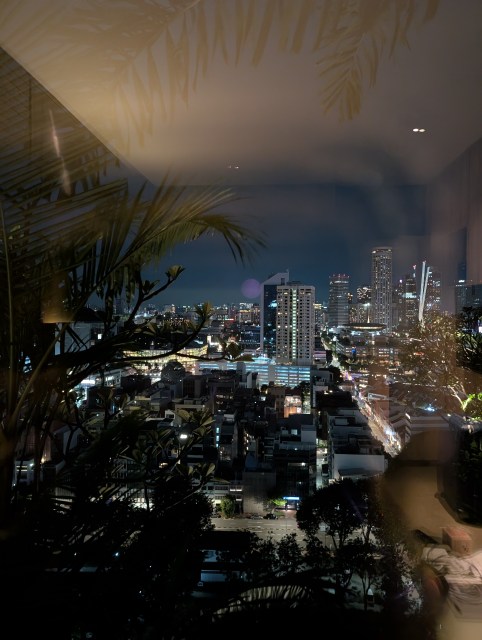
After we arrived back at the hotel we moved rooms. We were given a room on the 15th floor. The views were spectacular.
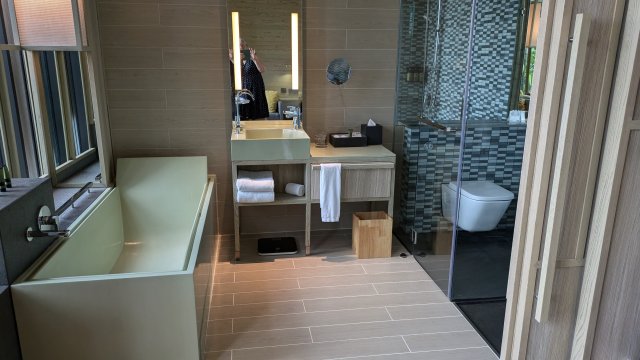
I particularly liked the opportunity to look out over Singapore while you were having a shower or a bath.


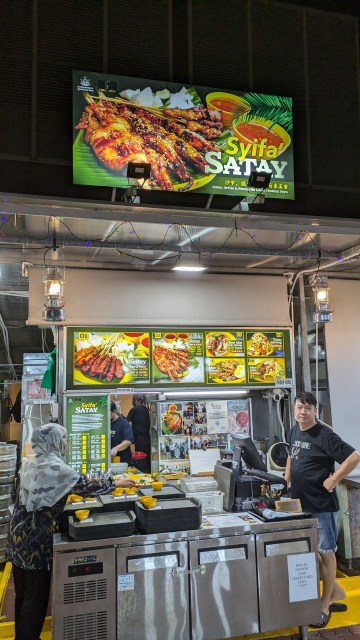
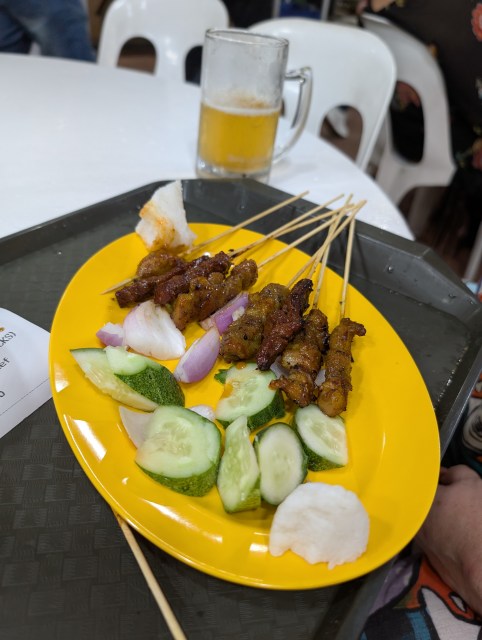
Our great-niece, who used to be a stewardess with British Airways recommended a place for us to eat this evening. It was called Syifa Satay. A few years back Singapore decided to ban street food vendors. It was done in the name of keeping the city neat and tidy. Street-food vendors were corralled into controlled locations. There are probably other locations, but Syifa Satay is located in an enclave called Glutton’s Bay. There are about a dozen stalls selling various types of street food, including Italian???

The satay was excellent.
We had decided that the “restaurant” was close enough to the hotel to walk. In the evening, the temperature dropped a little, making it pleasant to walk. The cityscapes on the way back were stunning.
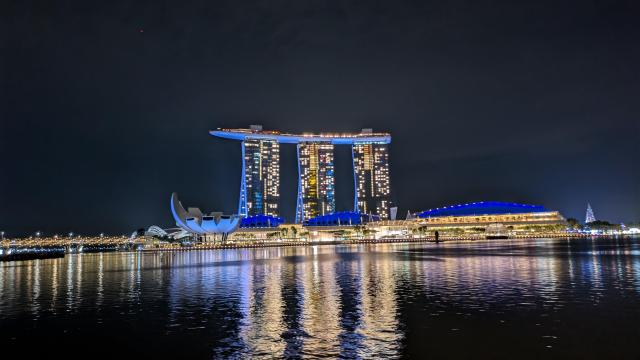
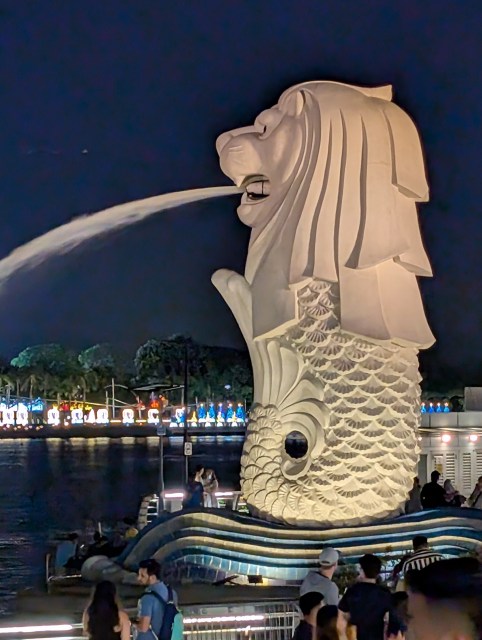
The MerLion (above) is the city’s symbol.

We arrived back at the Park Royal Pickering. We had a drink while we admired the view from our room. Then we went to bed.

Singapore was beginning to grow on me.
Journey’s End: Tekapo to Christchurch to Singapore

Day 34-35  29-30th Nov 2024

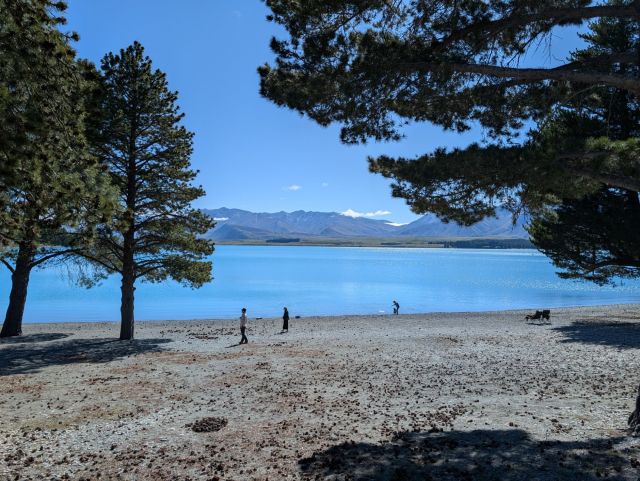
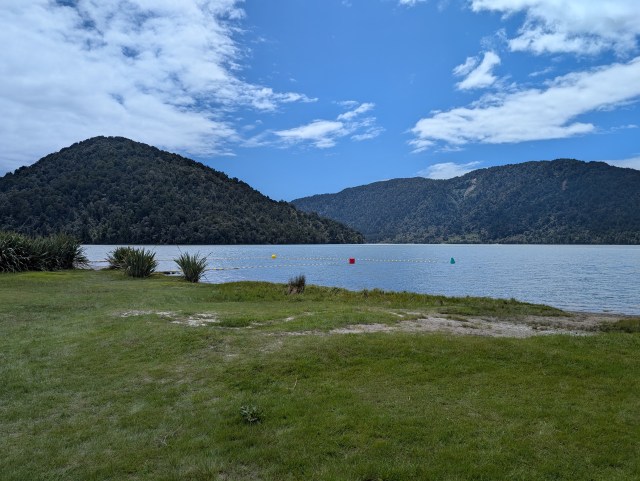
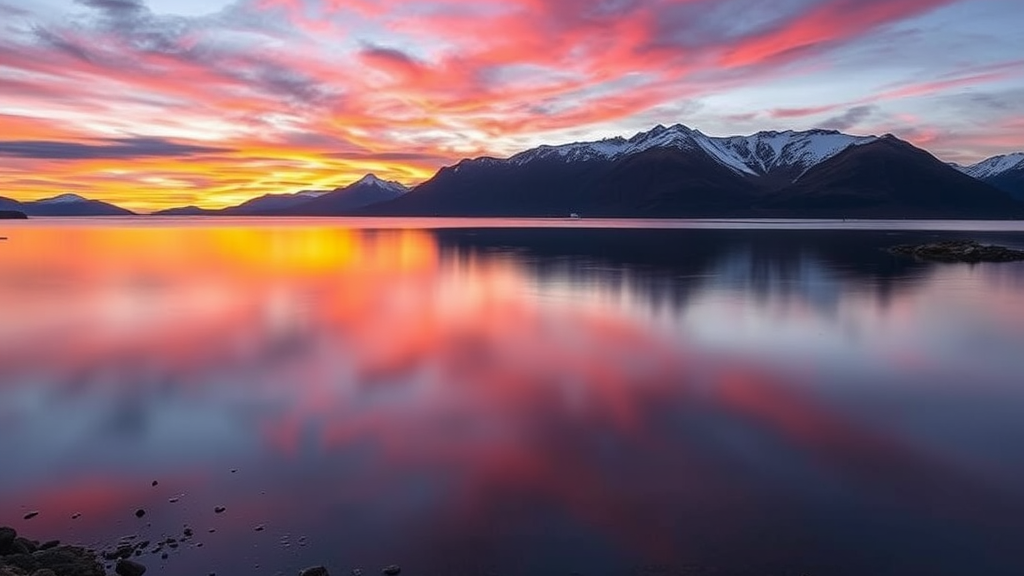
All good things must come to an end. Our trip around the “Mainland” was nearing its end. We woke up to a wonderful view over Lake Tekapo.

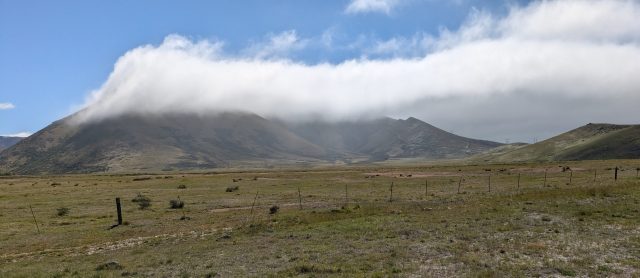
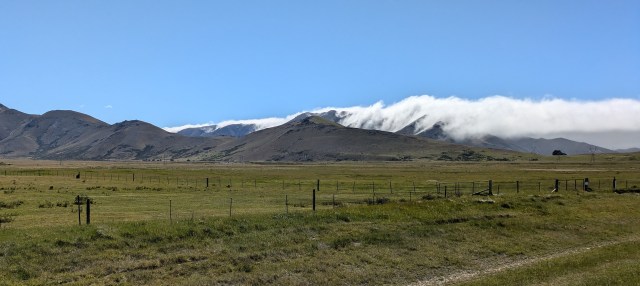
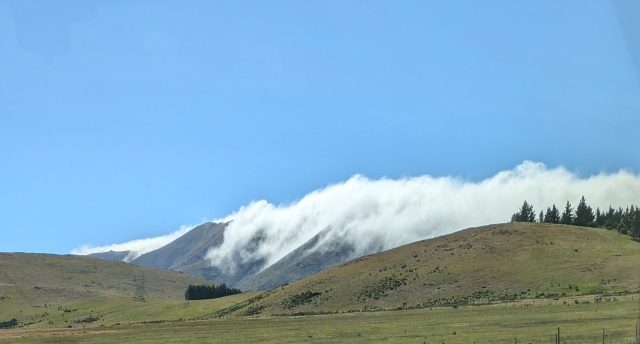
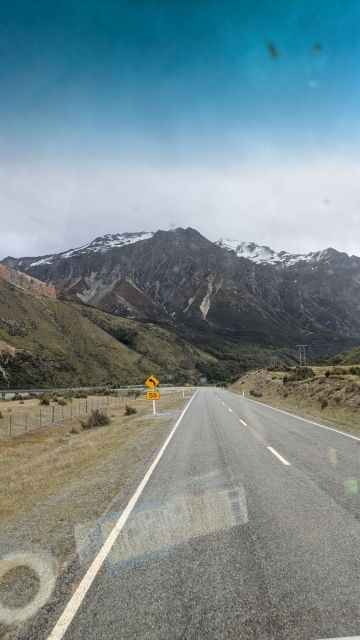
After breakfast, it was time dump the waste water and empty the toilet cassette for the last time. Then it was off to Christchurch. The first part of the journey, over Burke’s pass to Fairlie, was reasonably pretty.

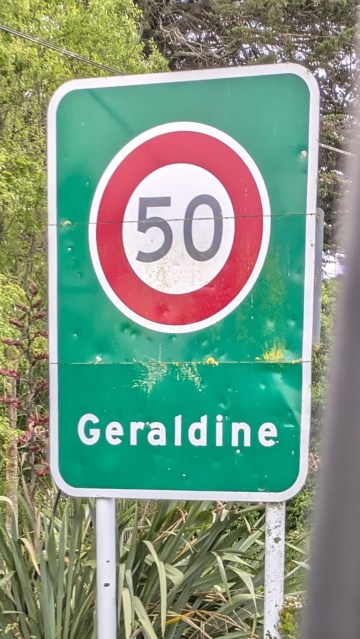
After Fairlie, we were back onto the Canterbury plains. So it became flat and boring, for the first time in a fortnight. We stopped in Geraldine, partly to get a cup of coffee, partly because we have a friend called Geraldine. We couldn’t find anywhere for a coffee. Nonetheless, we did manage to take a photo of the town sign to show that we had been there.

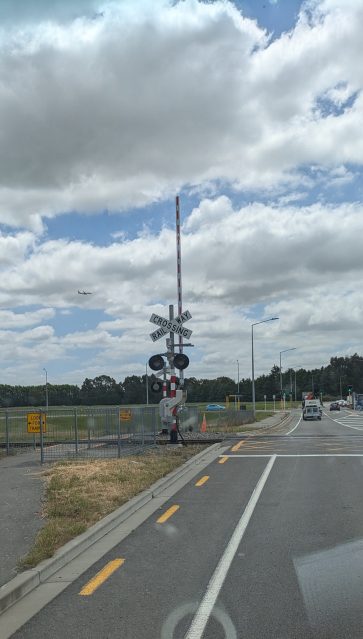
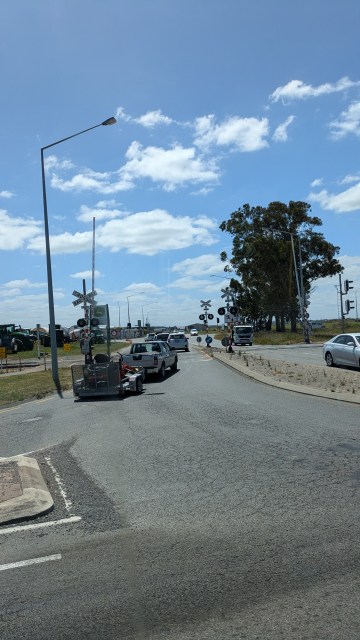
The road from Geraldine back to Christchurch was very flat and more or less straight. Diane tried to stop herself from getting bored by taking pictures of railway crossing signs. The road and the railway run parallel most of the way.

We stopped for lunch in Ashburton at some place. I can’t remember its name, probably because it wasn’t a memorable meal. Then, it was back up SH1 to Christchurch and Maui Campers to return the van. That took a wee while. We had to wait for the branch manager to discuss the compensation for the water leaks. They needed to decide what level of compensation they were prepared to offer us. Compensation agreed we caught the Maui airport shuttle to our hotel.

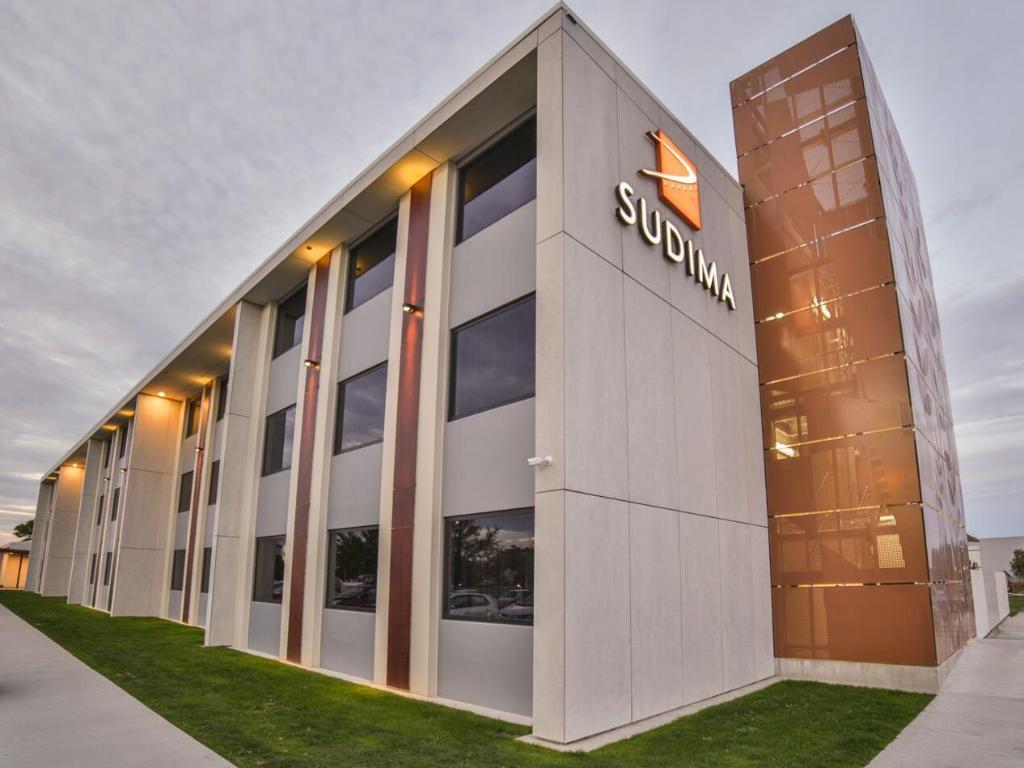
The Sudima Hotel was the most boring of all the hotels that we stayed at on our trip. That said, it did its job. It gave us a bed for the night and fed us. You can’t really ask much more of an airport hotel. It did, though, lack a lift. Fortunately, they employed a retired second-row player to cart our bags up to the second floor.


The next day, we were up reasonably early for breakfast. We had a plane to catch at 12:00. Our brilliant time in Aotearoa was over. Next stop Singapore.

Checking in and going through security at Christchurch Airport was an absolute pleasure compared to Heathrow. Heathrow probably has more passengers to process in an hour than Christchurch has in a week, but never the less. Actually, landing in Singapore was similarly stress free. Everything was automated, and it worked. We hardly saw a single (official) person from leaving the plane until we were picked up by our car.


The flight to Singapore was pleasant. Because of the changes in time zones it was daylight all the way. We spent the flight watching Lord of the Rings films, trying to spot the places we had been.

More Goldmines. Mountains, Lakes and Stars.

Day 31-32   26 – 27th Nov 2024

It was time to say goodbye to Te Anau and work our way back to Christchurch.  We decided to check out another gold rush era town on our way to our overnight stop at Omarama. The first part of the journey to Arrowtown retraced the route from Queenstown to Te Anau. On our way to Te Anau,  Diane had noticed a quirky looking cafe called Bracken Hall. As it was coffee time, we decided to stop.

It had good coffee and cakes as well as a decidedly quirky gift shop attached. We came away with a possum fur belly button warmer (among other things).

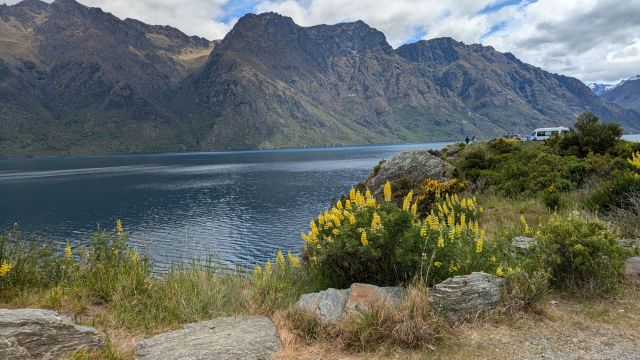
Lake Wakatipu was just as attractive going north as it was south. We didn’t stop in Kingston this time.

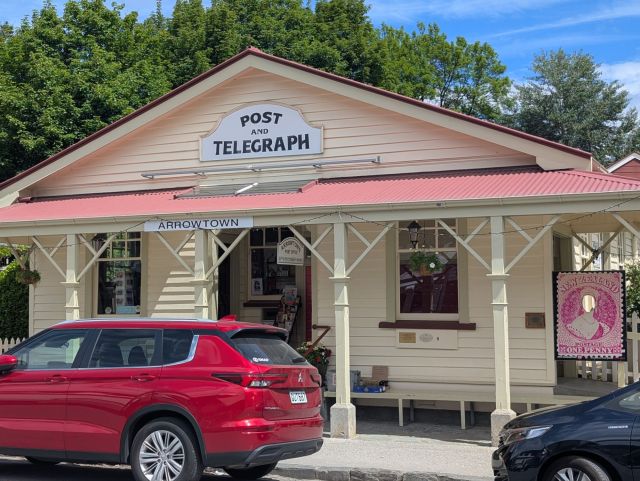
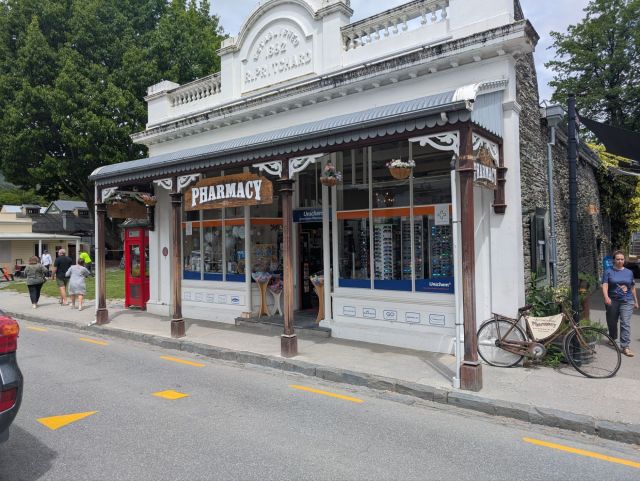
We carried on to Arrowtown. Centre of the Otago goldrush of 1861. There are a number of buildings from the gold rush days that are still surviving. Most, if not all, have been repurposed since then.

It is an interesting town to visit. It is more tourist orientated than Ross, but it still has a bit of a wild west feel to it. There may still be gold to be found. A couple were panning for gold in the river, near where we were parked. I didn’t ask if they had found any. After lunch, we headed off to Omarama via the Lindis Pass.

The Lindis Pass connects Central Otago with the McKenzie country. It is quite barren, but also beautiful. The main vegetation is tussock grass. Rising to almost 1000 metres at the summit, it is high enough to have snow during the winter.

There was still some snow on the surrounding mountains.

Dropping down from the summit to Omarama was just as spectacular.

After we had parked for the night (at yet another Top 10 site). We decided that we would cook in the van for a change. The pasta was pretty good.


The next day, we set off to find Aoraki, also known as Mt. Cook.

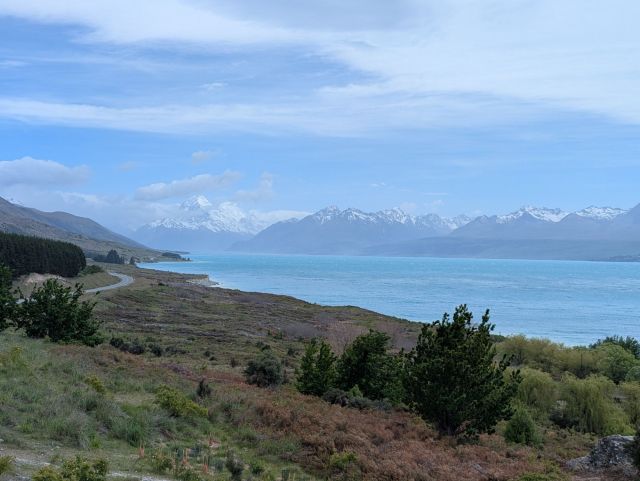
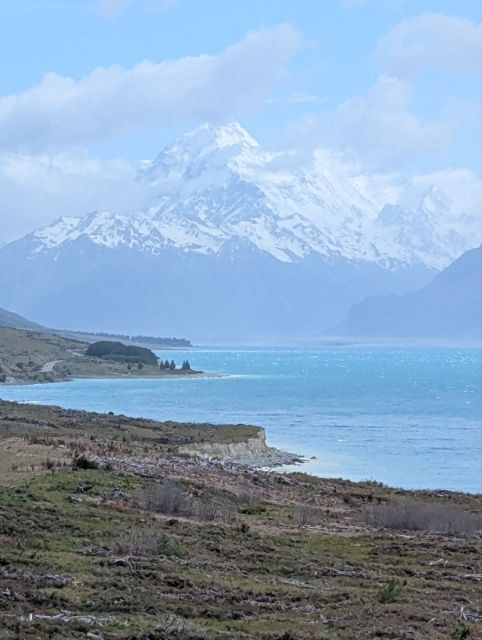
The Tasman River widens out into Lake Pukaki. The lakes and rivers in this part of New Zealand are all glacier fed. As a result, they are an amazing pale blue colour. The glaciers grind the rock down to a very fine powder. This remains suspended in the water and causes the colour.

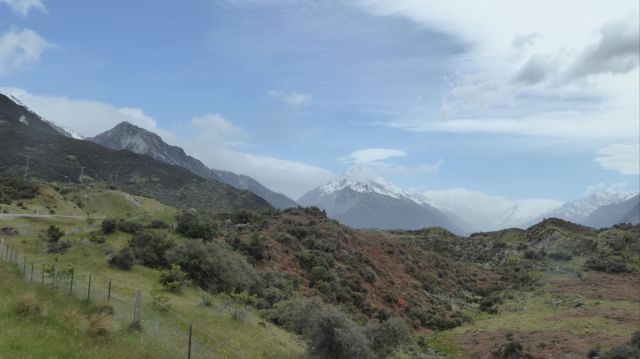
We drove along the side of the lake up towards Aoraki/Mt Cook village. There are some spectacular views of Aoraki as you drive up the lake.

Aoraki

As we drove on up the valley to the village, the mist came down, and it started to rain. consequently, the mountain became more atmospheric.

Atmospheric Aoraki.

We parked at the Hermatige. There has been a hotel here for well over one hundred years. It started off as a glorified mountain hut, but following various fires, floods, and rebuildings has evolved into the luxury hotel that exists today.

There is a small museum telling the story of the hotel and the mountain. It is worth a visit.


We then headed on to Tekapo, and the second must have photo on a Japanese tourist’s itinerary. The first being Aoraki. Actually, it is not just Japanese tourists anymore, everyone wants the perfect Instagram picture.

Our arrival at the campsite was a fraught. We had a seven metre van, but we were given a pitch that would have been tight for a five metre van. When I complained, they said they didn’t have a suitable pitch, but we could park by the lake, with no power and no refund. The view from the pitch by the lake was better though.

We set off to find dinner. Saw a restaurant called “Fishtail”, assumed it did fish and chips. It didn’t. It turned out to be a rather good Indian restaurant.

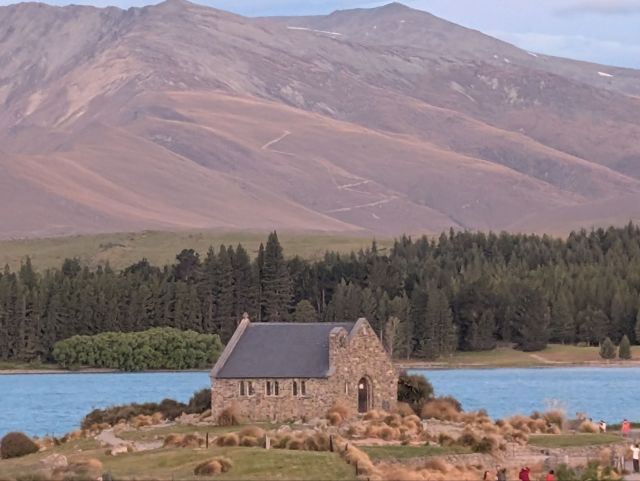
Afterwards we went to take the compulsory photo of the “Church of the Good Shepherd”.

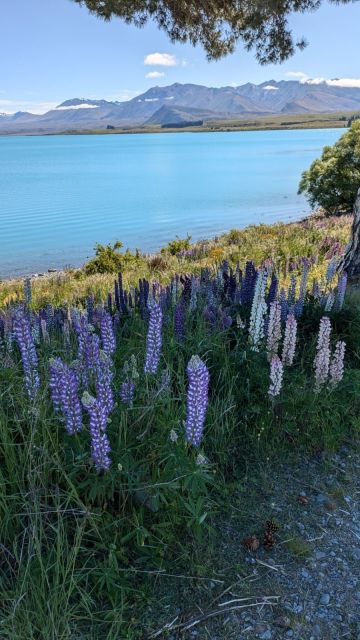
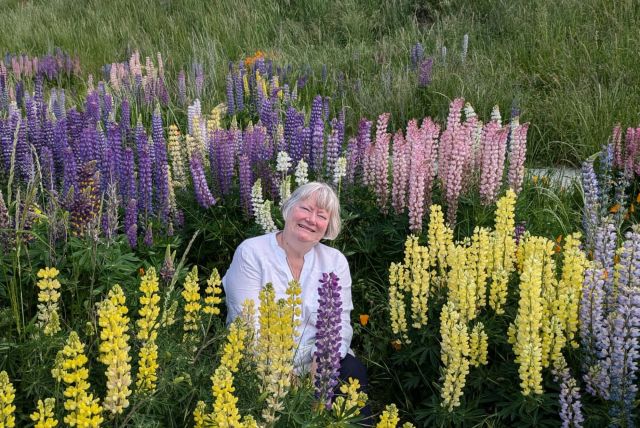
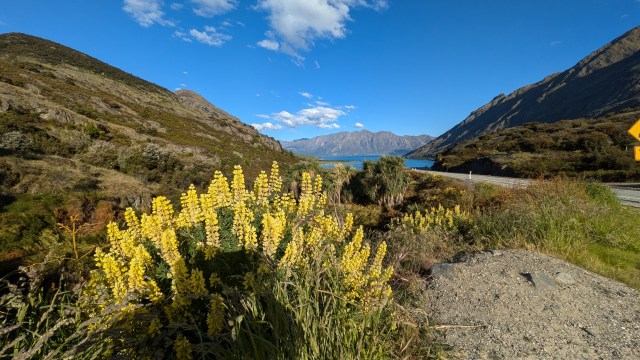
Diane also decided she wanted a photo of herself among the lupins.

Tekapo is in a dark sky area. The stars were amazing. Living in London, it is easy to forget just how awesome the night sky can be.

A Day Off in Te Anau: Van Repairs and Glow Worms

Day 30   25th Nov 2024

We ended up spending an extra day in Te Anau. Our original plan had been to head back to the Queenstown area today. Maui Campers arranged for a garage in Te Anau to look at our van. So we booked an extra day at the campsite. It gave us an opportunity to catch up with our laundry. It also gave us a more relaxed day. It had been fairly full on most days. A day off, even though it was enforced, was pleasant.

I took the van along to the garage about lunchtime, left it with the garage owner. I went off to have a bite of lunch, when I came back it was fixed. He was disparaging about the quality of the repair that Maui had carried out in Queenstown. We were ready to roll again.


In the meantime Diane had found that there was a Glow worm Cave on the other side of the lake. She booked us tickets on the evening trip.

The first part of the trip was a cruise across the lake.

When we arrived at the other side, we entered the reception building. Then, they divided us into smaller groups for the tour of the caves.

The caves themselves are very spectacular with an underground river and a stunning waterfall. The caves are geologically speaking, quite young. They were formed about 12,000 years ago.

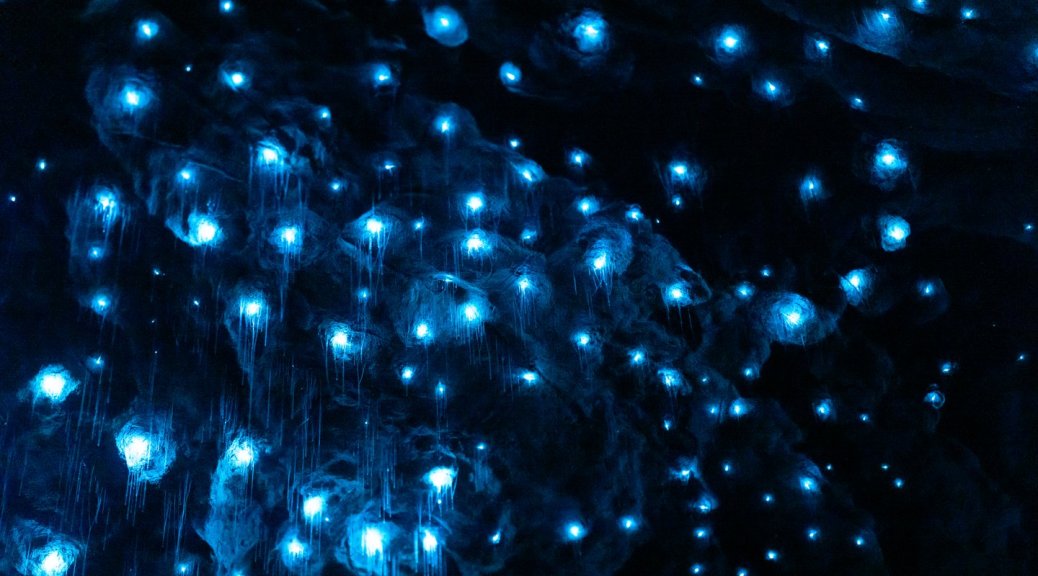
Having walked through the caves, past the waterfall, we boarded a punt, for the trip to see the glow worms. In the pitch darkness as our eyes gradually became accustomed to the lack of light, the glow worms appeared.

Glow worms.

The picture is borrowed from the cave’s website. Unfortunately You can’t just whip out your phone and take a quick snap. Any flash would cause the worms to turn off their glow. It is possible to take a picture, but it requires a very long exposure. I had neither the camera equipment nor the time to do it. Nor probably the patience.

I found it quite meditative looking at the glow worms. It was peaceful in the darkness and silence, drifting along on the punt.

As we were walking back through the caves we saw a rather large eel. I’m not sure what it lived on, glow worms seem the most obvious candidates.

After we left the caves, we waited for the boat to take us back to Te Anau. During this time, we received a presentation about the life of a glow worm.

The glow lights are designed to attract prey. They catch their prey by dangling sticky strings from their bodies. Fairly akin to a spiders web. Glow worms are cannibalistic, they have no qualms about eating another glow worm if it gets too close. Strictly speaking they are actually maggots, rather than worms. On a positive note, they eat Sandflies.

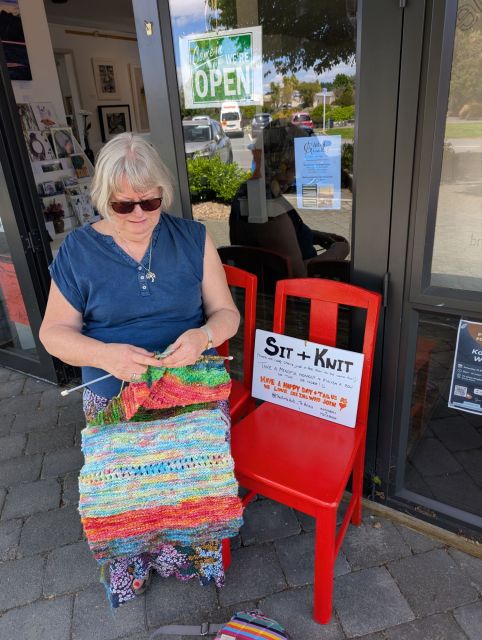
It was a good day. We got our laundry done. The van was fixed. Te Anau is a lovely little town. Diane did some “mindful” knitting. We saw glow worms and finished off with an excellent dinner at the unfortunately named “Thai Anau”

pxl_20241126_0058263428483563116898052778
“Mindful knitting”

Milford Sound

Day 29 Nov 24th

One of the main reasons for coming to Te Anau was its convenience. It provided a good jumping off point for a day trip to Milford Sound. We had looked at various options. Trips from Queenstown meant spending about ten hours on a coach. Booking the trip from Te Anau saved about five hours of the boring bit (from Queenstown to Te Anau). We booked our tour with Fjordland Tours. We were picked up from our accommodation about 08:00. The transport was a sixteen seat mini-bus. There was plenty of legroom. I found it very comfortable. Our driver/guide was a local woman, who knew the area intimately.

Our route took us up the eastern edge of Lake Te Anau. We traveled as far as Te Anau Downs. This is where you catch a ferry to the start of the Milford Track. You can walk to Milford Sound from there, if you want to. Other tracks are available.

Te Anau Downs

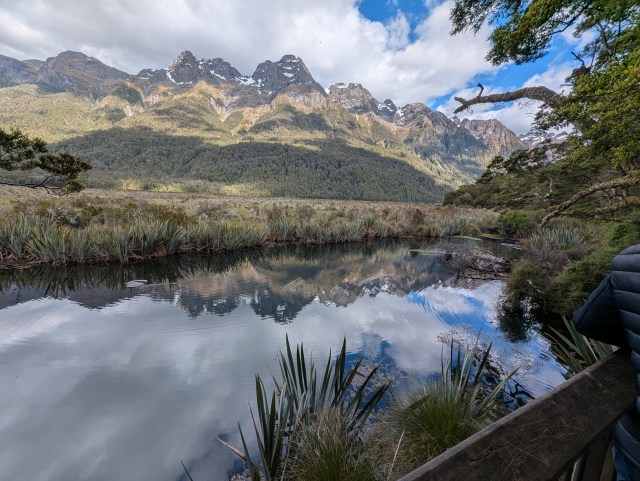
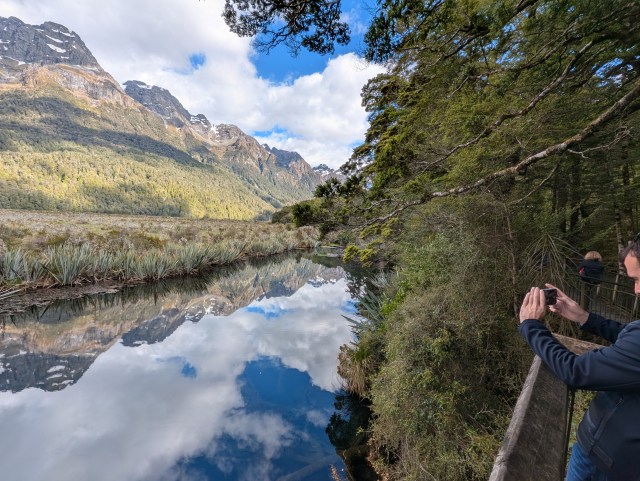
From there the route carried on up the Eglington Valley. This valley is featured in the Lord of the Rings. It continued to the Mirror Lakes.

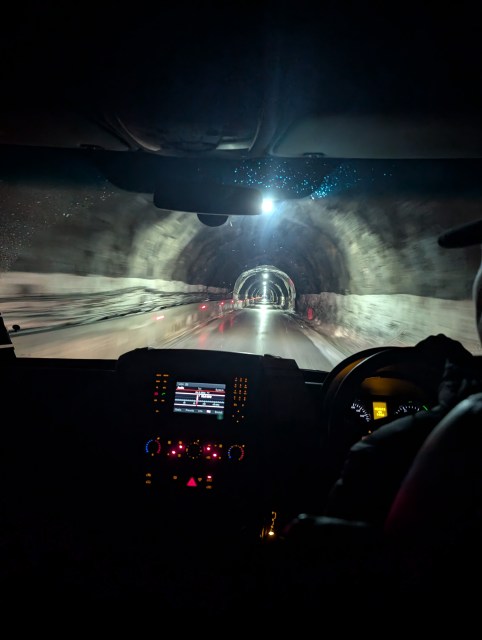
The road climbed and twisted its way up to the Homer Tunnel.

Inside the Homer Tunnel

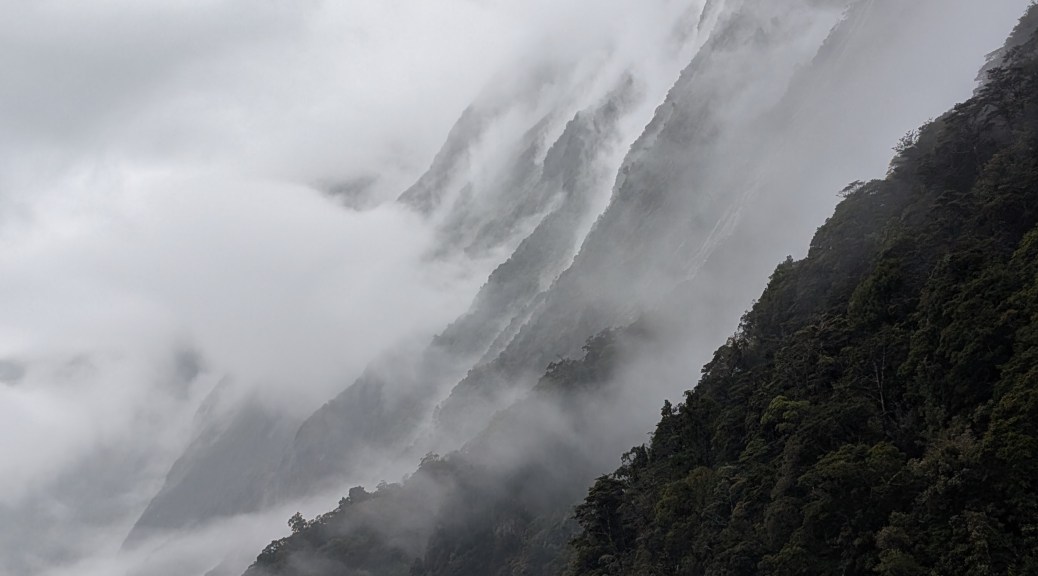
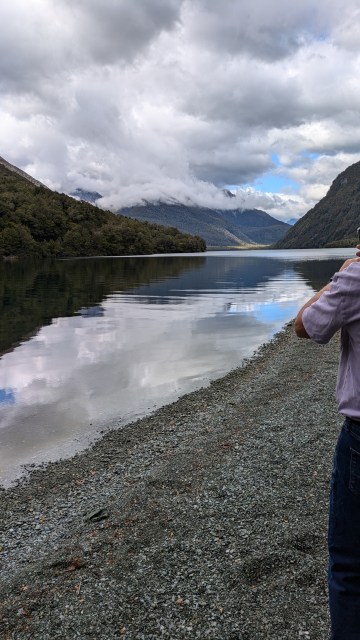
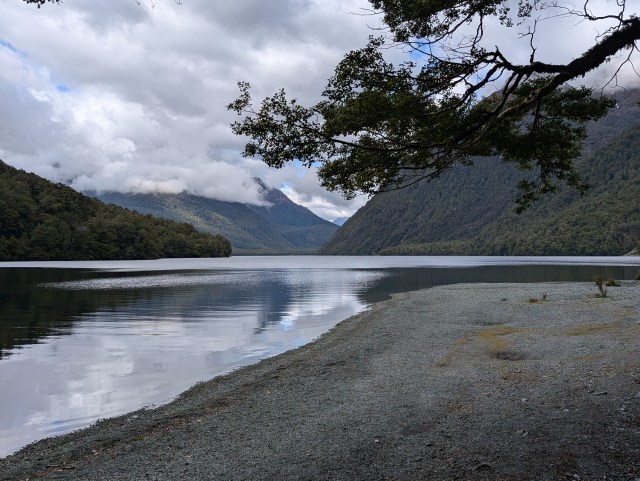
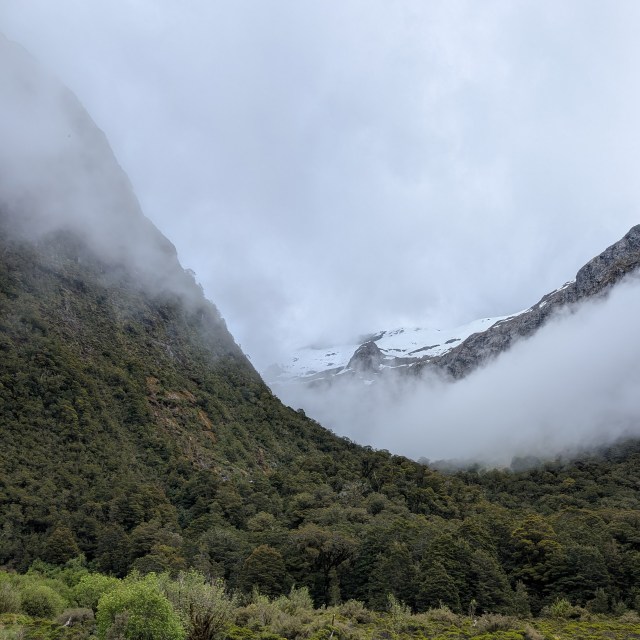
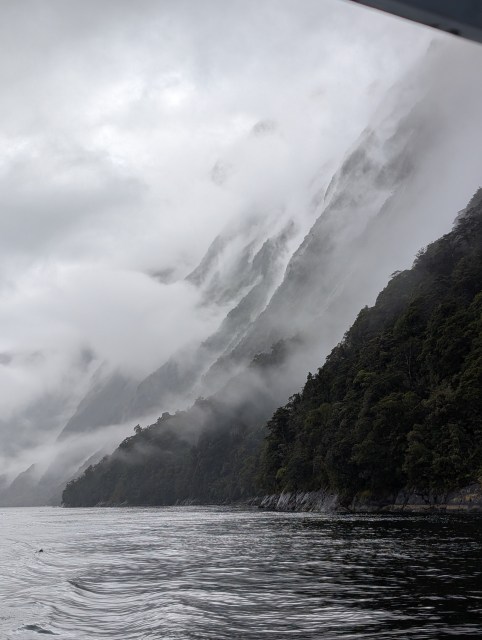
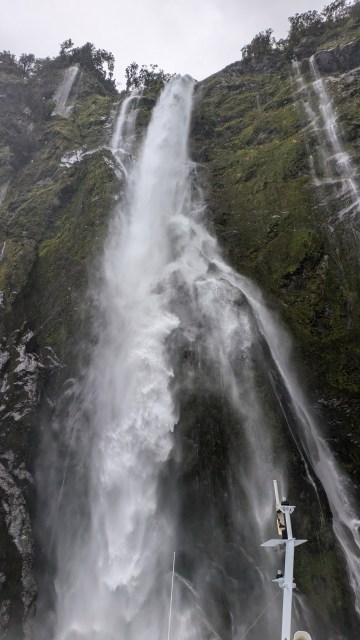
The weather was blue skies and sunny when we stopped for tea and cake at The Mirror Lakes. When we emerged from the tunnel the rain started. This was not unexpected. Milford Sound receives a mean annual rainfall of 6,412 mm (252 in) each year. This is a high level even for the West Coast. It is known as the wettest inhabited place in New Zealand and one of the wettest in the world. Rainfall can reach 250 mm (10 in) during 24 hours.[14] The rainfall creates dozens of temporary waterfalls cascading down the cliff faces. It also results in several major, more permanent ones. Some waterfalls reach a thousand meters in length. Smaller falls from such heights never reach the bottom of the sound, drifting away in the wind.

We dropped down from the tunnel to Milford Sound, where our boat was waiting for us.

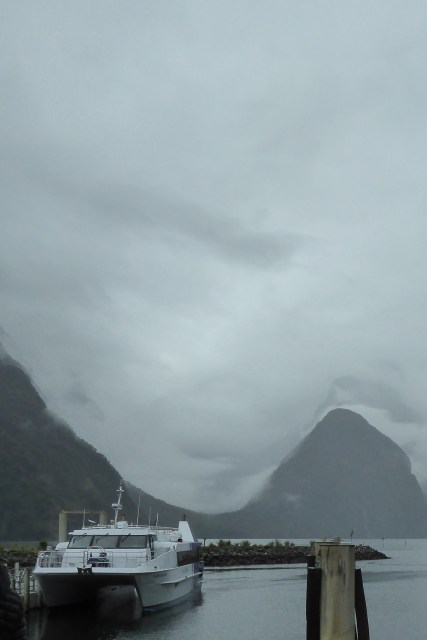
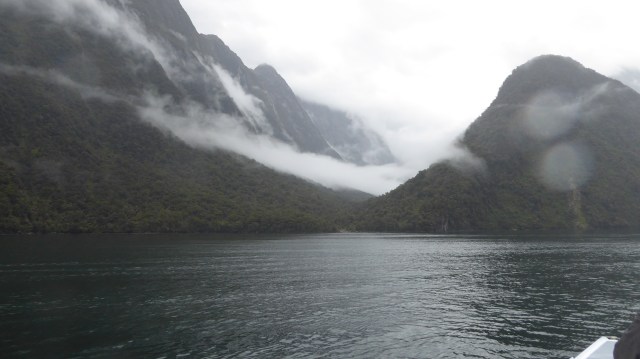
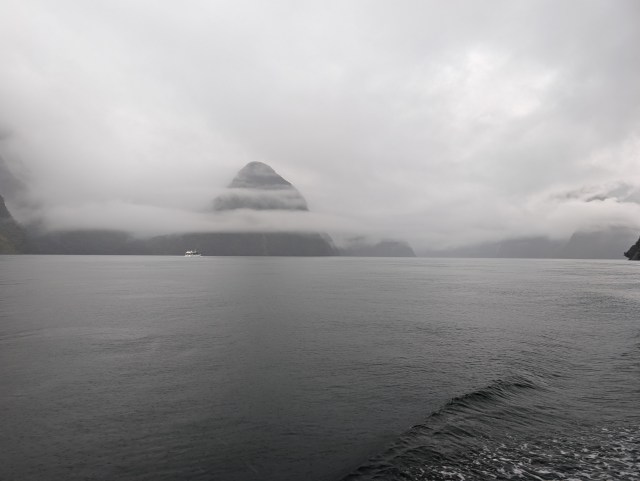
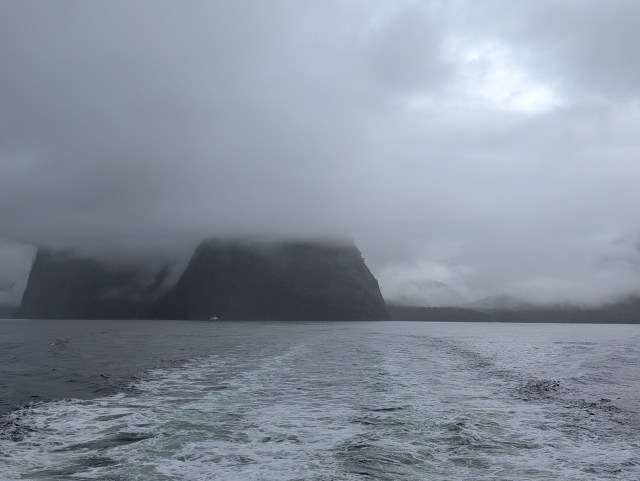
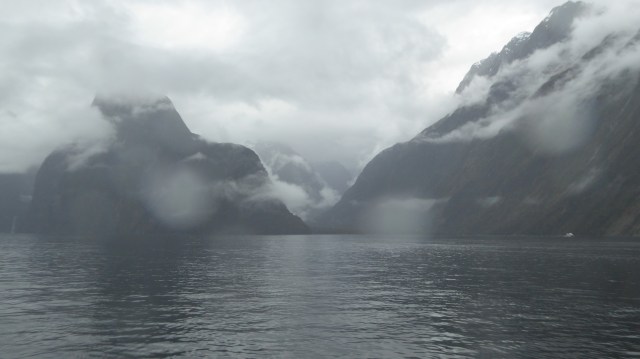
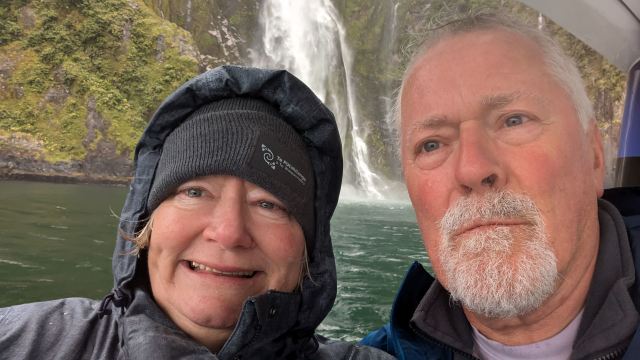
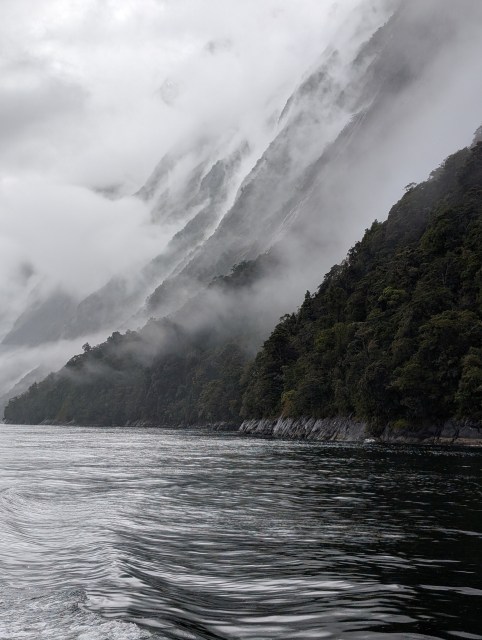
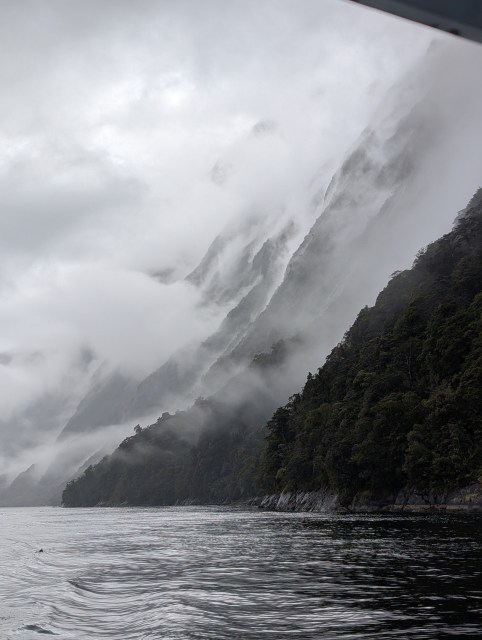
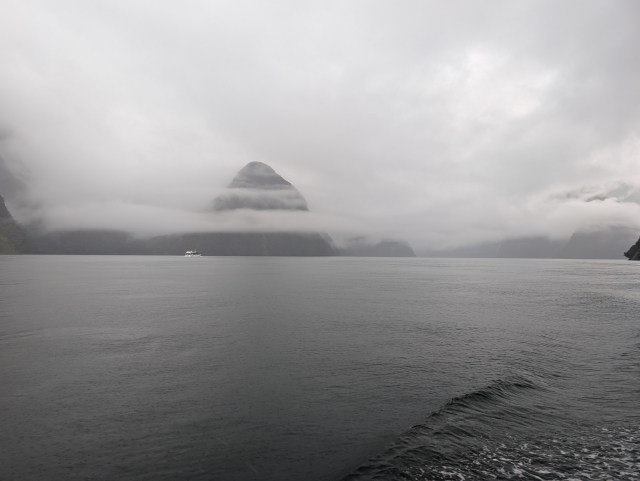
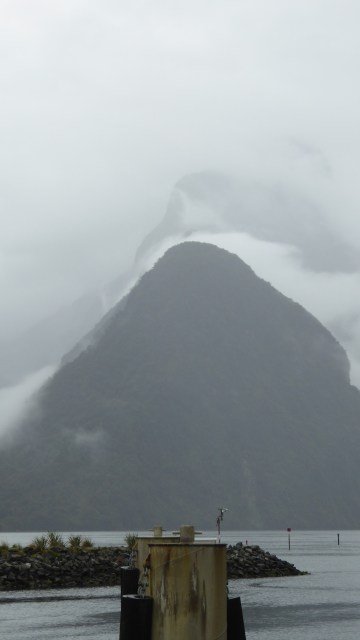
Our cruise was very scenic, very spectacular and very wet.

Waterfall
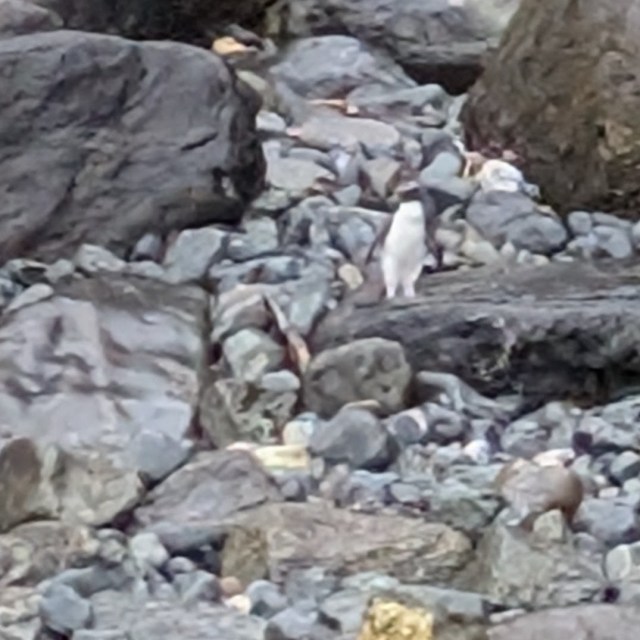
A Fjordland Crested Penguin

We saw a few Fjordland Crested Penguins. From a photographers point of view they are unfortunately rather small. The reach a maximum height of around 55 cm. Hence the not very clear photo.

Sometimes seals, dolphins and orcas are seen, but not today.

I should mention that Fjordland Tours provided an excellent packed lunch, which we ate while cruising the sound.

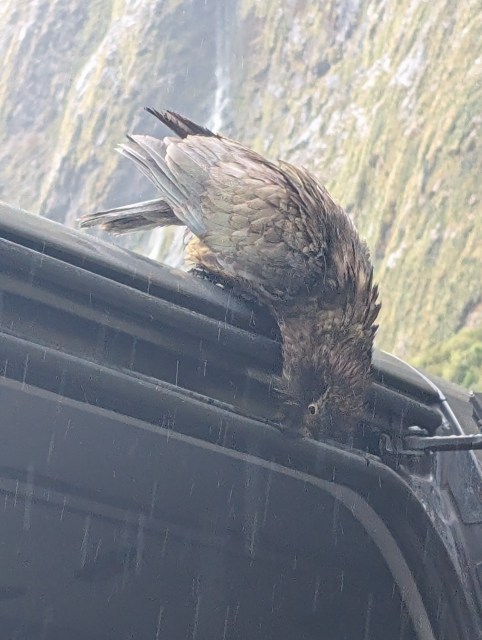
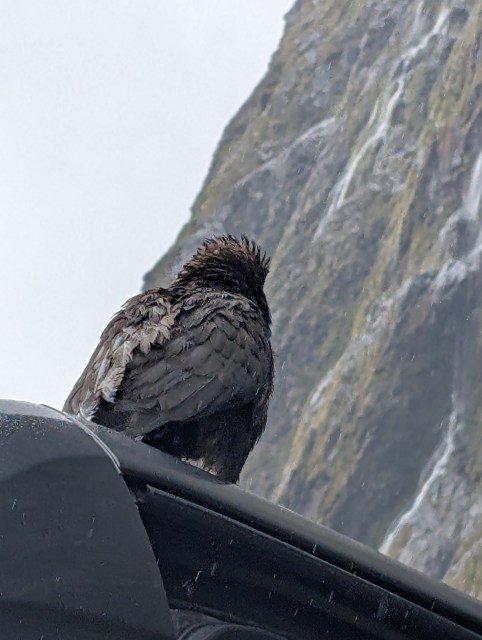
The cruise lasted about two hours, then it was time to head back to Te Anau. We were stopped, waiting to go through the tunnel. During this time, a Kea decided to try and take the rubber door seal of the van apart.

We stopped on the way for a walk up the first (easy) part of the Lake Marian Trail.

After that we drove back to Te Anau where we were dropped off back at the campsite.

Some people would have been disappointed that it was wet and misty. I think that it the rain and the cloud actually enhanced the experience. There are apparently only two permanent waterfalls at Milford Sound. The rest are only formed when it is raining.

It was a wonderful day out and one of the highlights of our trip.

A Wasted Day

Day 28 Nov 23 2024

We had been having a problem with the van. Water kept appearing on the floor. It wasn’t obvious where it was coming from. I called the Maui campers helpline and they suggested taking it to their Queenstown branch. As Queenstown was on the way to our destination Te Anau, we said that we would.

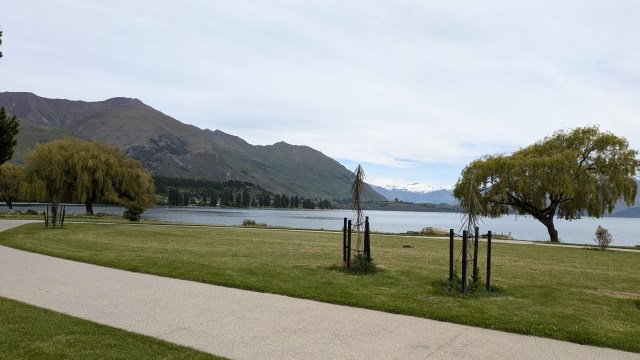
Lake Wānaka

We spent the night at a campsite in Wānaka. After having had breakfast and a look at the lake, we set off for Queenstown. We would have liked to take the Crown Range Road via Cardrona. But, Maui stated that we would not be insured on that road. So we went the long way round.

While the lowland route was not without its charms, it was not as attractive as the Crown Range.

We arrived in Queenstown round about lunchtime. Everyone there was very pleasant and helpful. So we left the van with them while we headed off and found lunch. After we came back they said that they had found a problem with the water pump. We assumed that they had fixed it. Said thank you and went on our way to Te Anau. We didn’t test it.

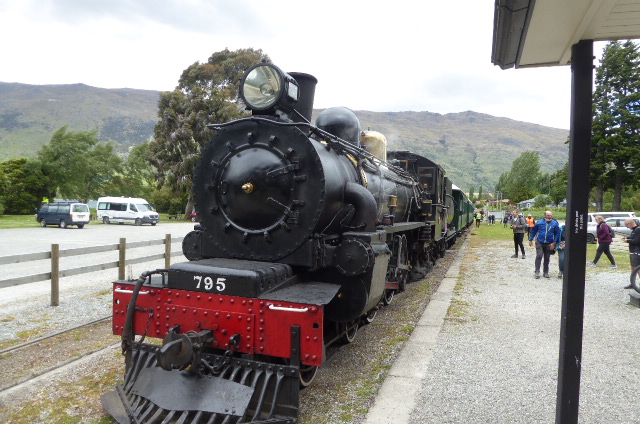
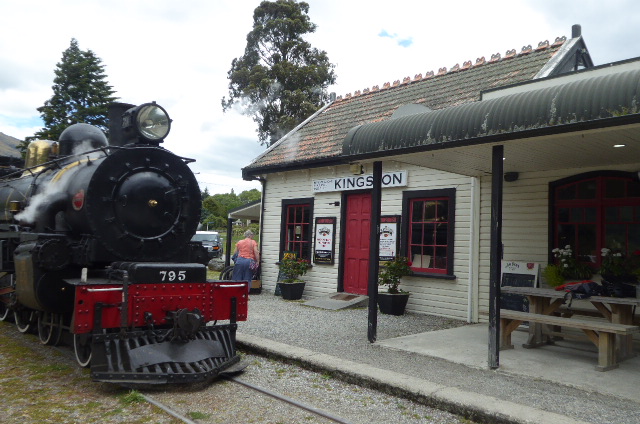
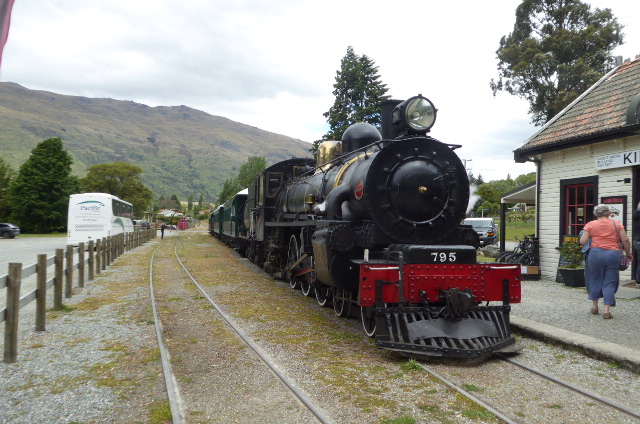
The route we took down the side of Lake Wakatipu was really attractive. At the southern end of the lake we found a small town called Kingston. Because we live in Kingston-upon-Thames, we felt we had to visit Kingston-upon-Lake Wakatipu.

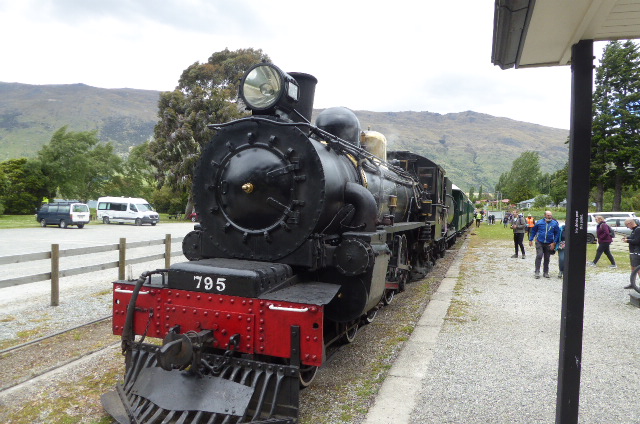
We found an attractive village, a cafe and a stream train.

The train is called “The Kingston Flyer “. It runs every Sunday during the season from Kingston to Fairlight and back again.

Afterwards we headed to Te Anau.

We arrived at the Te Anau Top Ten Holiday Park. We parked up and connected the electricity. Then, we switched on the water pump……

They had managed to make the leak worse.

It probably wasn’t a completely wasted day. We got to Te Anau. We booked a trip to Milford Sound for the next day while we waited for the van to be “fixed”. I also bought myself a bottle of New Zealand whisky.

Kiwis, Tuataras and Sand-fly’s

Day 28 Nov 23 2024

We spent the night at the Franz Joseph Campervan Park, which is very centrally situated, but rather cramped. Still it provided everything we needed. Power, water and WiFi were included, and the showers and toilets worked and were clean. It was a short walk to restaurants, bars and a supermarket, so we had everything we needed. The only minus was the position of the dump station. If you wanted to use it you blocked any one else from entering or leaving the site.

The weather had cleared, compared to yesterday, but there was still some cloud around. The helicopters were flying. We debated whether or not to take a flight to the glacier. We decided in the end not to. Instead we visited the West Coast Wildlife Centre.

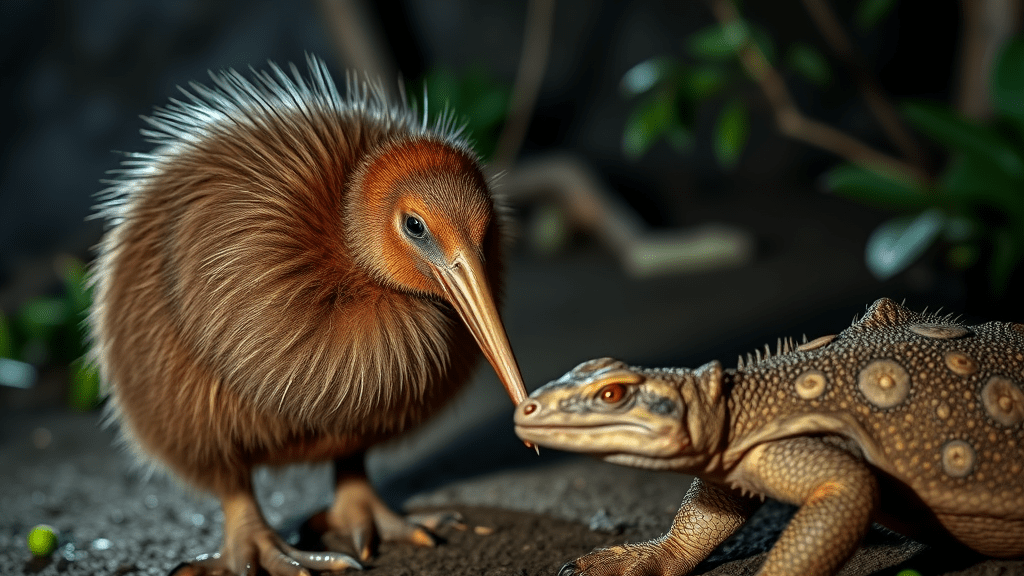
They have a breeding program for Kiwis and Tuataras. While it is possible to see Kiwis in the wild, it is not that easy. They are nocturnal, and you also have to know where to look for them. We decided that our best chance of seeing a live Kiwi was in the breeding centre. We have no photos of Kiwis, because trying to take a photo would disturb them.

The Kiwis are kept in an environment that tries to replicate their natural surroundings. Because they are nocturnal day and night are reversed, so that they are active during the centre’s opening hours. It takes a while for your eyes to adapt to the darkness. You can hear the Kiwis rooting around looking for food long before you can see them. When you do see one, they are surprisingly big. The size of a small chicken.

A video about Kiwis


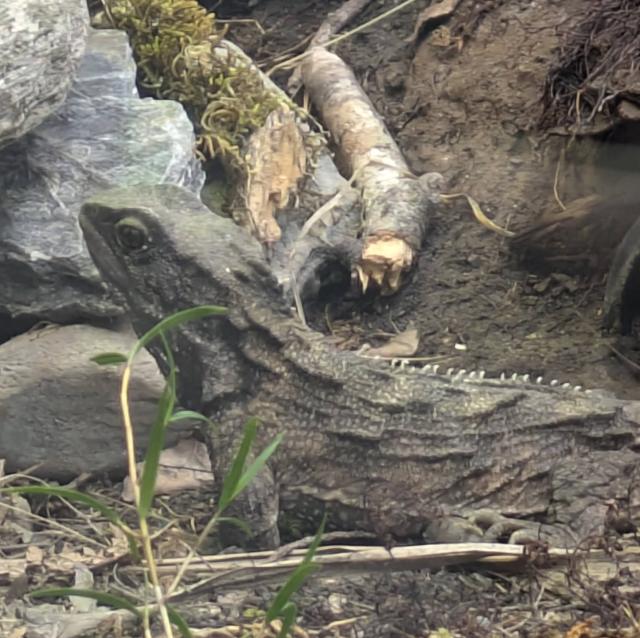
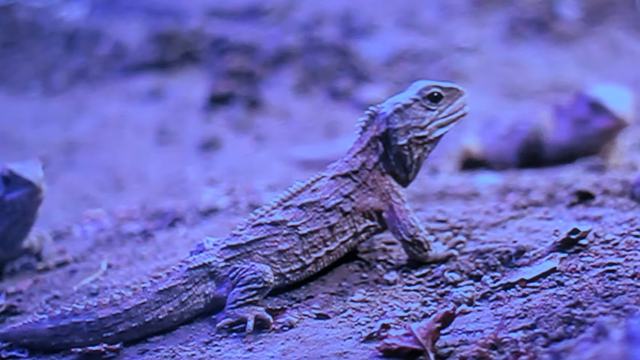
The other endangered native species that the Wild Life Centre breeds and cares for are Tuataras.

Tuataras are the last surviving members of reptile group, the Rhynchocephalians that is older than the dinosaurs. Rhynchocephalians first appeared in the fossil record around 240 million years ago.

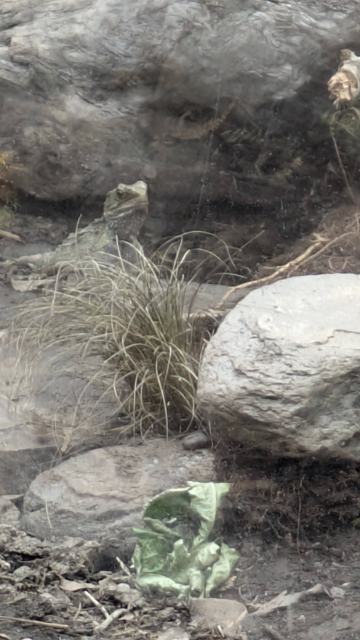
They very easy to take photos of, as they move very slowly. There metabolism is so slow that they can survive up to two years without eating. They prefer to eat once a week or so. Their diet is mainly invertebrates, although the will eat small birds and their own young. Because of this, while adult Tuataras are active mainly at night, the young Tuataras are active during the day.

They can grow up to 60 cm in length. They generally live for about 60 years. But, they can live to 100.

Learn more about Tuataras


We left feeling that we had learned more about Kiwis and Tuataras. We also learned about the efforts being made to help them survive and even thrive.

Just south of Franz Joseph we came across evidence of them in the wild. We kept an eye open for them, but didn’t see any. Which we wouldn’t have because it was daytime.


We also encountered a non-endangered species of native wildlife – the Sandfly. These are a particularly annoying type of biting insect which inhabit the West Coast. I think you can also find them in other areas of New Zealand. Like the West Highland Midgie, it is apparently only the females who bite. Like the Midgie the bite itches for days afterwards. We tried a few insect repellents, but none of them seemed to work 100%. We should have tried Avon Skin So Soft. It keeps the Midgies at bay.

When we stopped at Lake Paringa for lunch they came out in force.

The landslides that had closed SH6 have been cleared. The journey over the Haast Pass to Wānaka was uneventful—very scenic, very winding, but uneventful.

The South Island (aka The Mainland)

Day 21-23 Sat 16th to 19th Nov 2024

After we dropped the car off, we caught our flight to Christchurch to start the third phase of our adventure.

Since I last visited Christchurch about thirty-five years ago, the city was devastated by a major earthquake in 2011. The results are still visible, most notably the cathedral, which is still sheathed in scaffolding. Surprisingly, the rugby stadium has still not been completed. I expected that in Canterbury, it would be the very first priority. Surely, even before they cleared the rubble.

We didn’t get any time in Christchurch, we arrived late and only had one night. The hotel we stayed at, The Observatory, was very good, but we didn’t have the time to appreciate it. That said, their breakfast arrangements were not great

After breakfast, we headed back out to the airport to pick up our Campervan. A fairly painless process. We told the guy doing our familiarisation tour that we were Campervan owners. So he skipped a couple of bits that might have been helpful later on.

Formalities completed, we headed off up SH1 towards Kaikoura.

The Van (at Kaikoura)

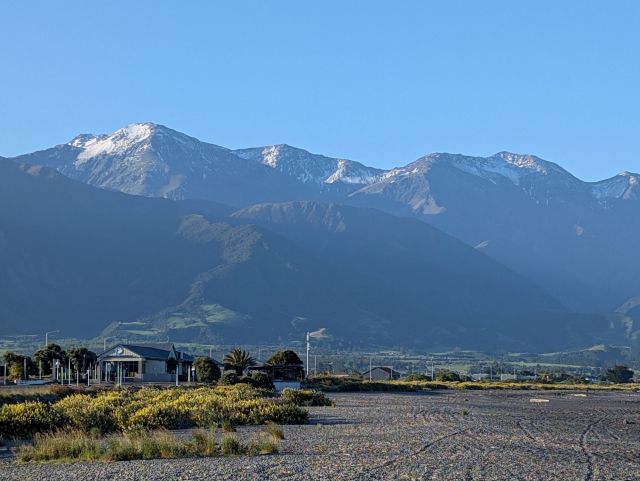
The first part of the trip was a wee bit flat and boring. Yet, as we approached Kaikoura, the road became more interesting. We enjoyed views of the mountains and the sea.

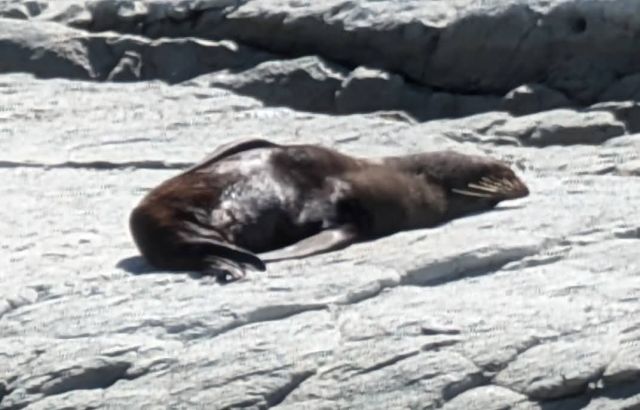
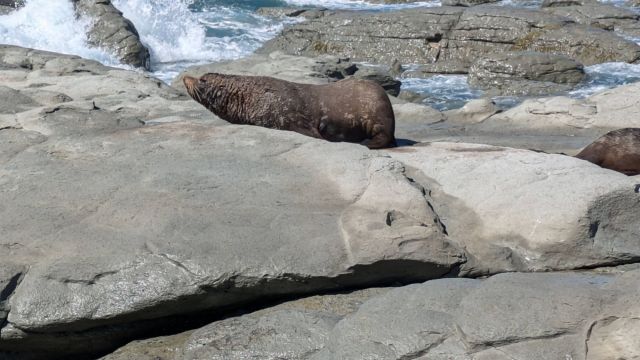
We planned to stay for two nights because we were going whale watching on Monday. On Monday, the wind got up, and just as we were heading to get the boat, history repeated itself. Diane received an e-mail saying that due to the weather, our trip was canceled. So we drove down to the seal colony and went seal watching instead.

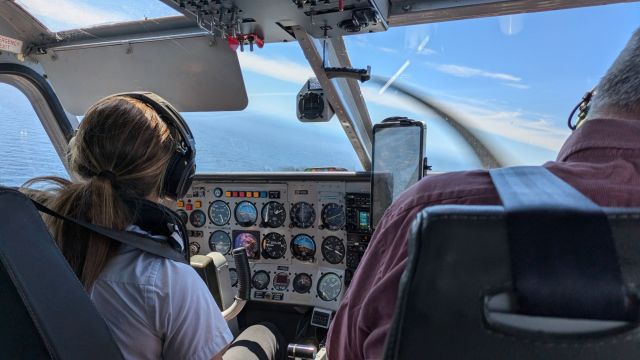
The next day, we were planning to head to Marlborough and wine. Diane was not going to be defeated in her quest to see a whale. She had seen something advertising whale watching flights. So she booked one for herself, but not for me. I’m slightly reluctant to get into a 747, let alone something with one engine and half a wing.
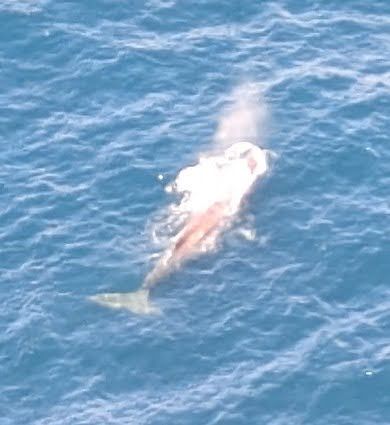
She went off. She came back three-quarters of an hour later. There was a big smile on her face because she had seen a Sperm Whale.
A Sperm Whale

After that, it was onward and upwards towards Blenheim.
Diane had read about a place at Blenheim Station where you could sample about 100 different wines. Unfortunately,  it had closed. But,  we discovered a place at the station called Fidelio. It also did wine tasting. I was driving, so couldn’t indulge, Diane tried a few vintages and bought a bottle.
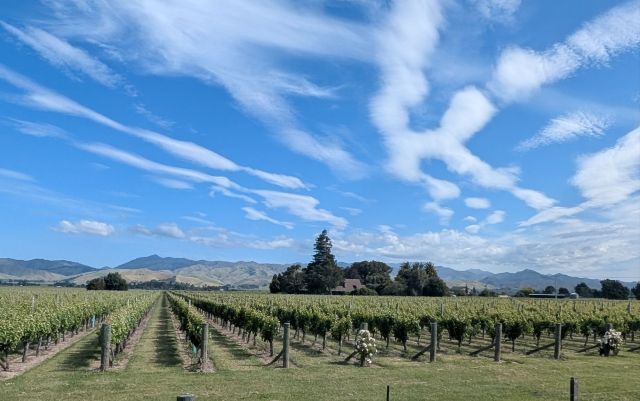
We turned west, not sure whether to head directly to the West Coast or go via Nelson.  We drove on through kilometer after kilometer of vines.
Vines
More vines

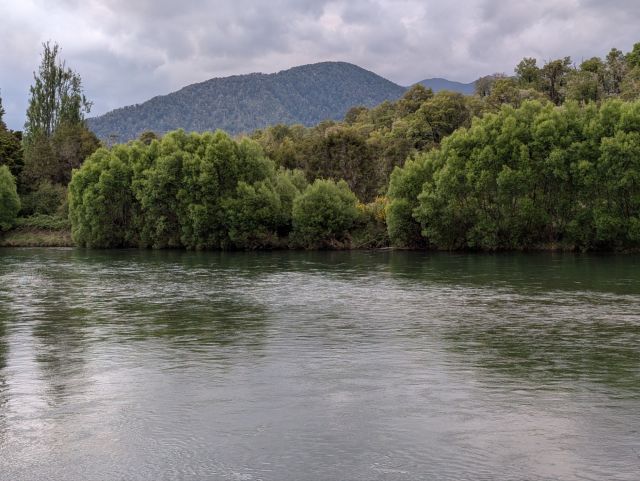
We eventually decided to head for Murchison. We were just coming into town. We saw a sign for Riverside Holiday Park. We decided to stay there for the night. We ignored the cemetery on the way in, in favour of the riverside setting.

As I was checking in, Diane was flicking through brochures for White Water Rafting …….

Glaciers and Goldmines

Days 27 Nov 22 2024

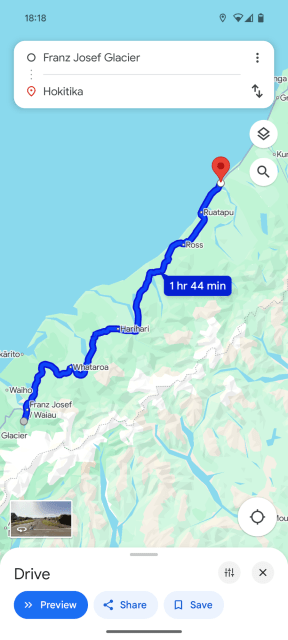
We continued our wander down the West Coast. The West Coast has many good things. One of them is that it is (almost) impossible to get lost. There is only one road, State Highway 6.

Our route for today

We were heading to Franz Joseph to see the glacier. On route we were going to visit the town of Ross.

Ross was, in some ways still is a gold mining town. It was founded during the West Coast Gold Rush of 1864 – 68. Do not confuse this with the Otago Gold Rush of 1861. That event was significant in New Zealand’s history. It marked the country’s largest gold strike. This led to a large influx of miners, including many from California and Victoria, Australia.

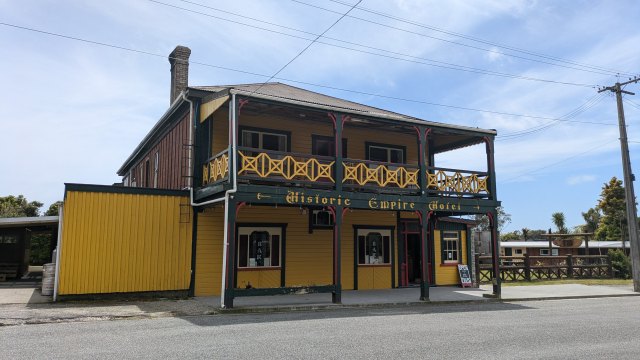
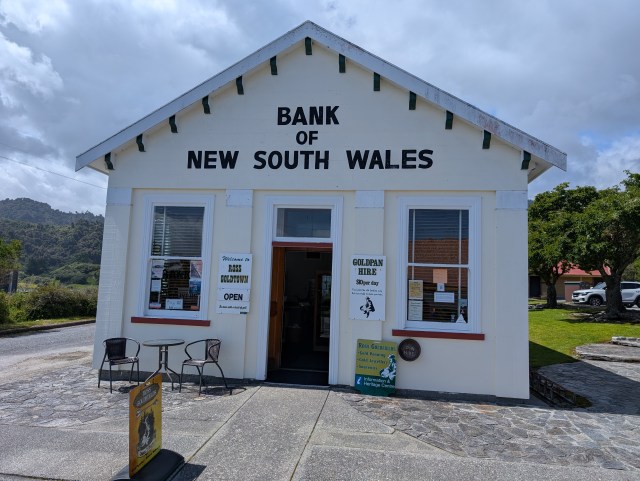
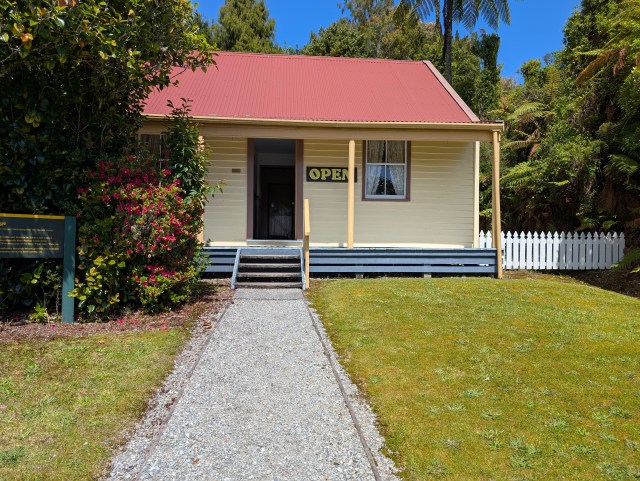
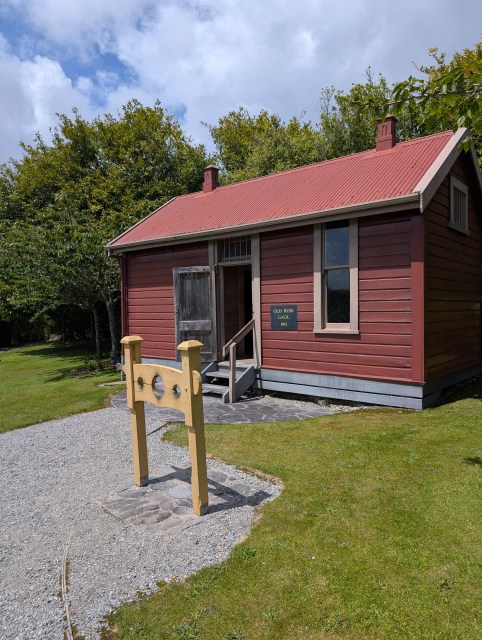
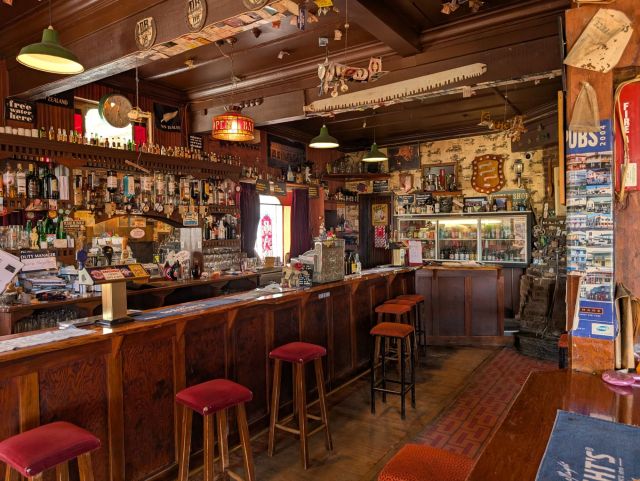
While the town of Ross has not been preserved in aspic, some of the gold rush era buildings remain. Most Notably the Empire Hotel. Several other buildings have been restored. These include the Bank of New South Wales, a typical miner’s cottage, and the local jail. The local Catholic Church, St Patrick’s dates from that era as well. The church name probably indicates the origin of a significant proportion of the miners.

The restored Bank of New South Wales has a small museum, dedicated to gold mining in Ross. The largest gold nugget ever found in New Zealand, “The Honorable Roddy”, was found in Ross. Mining continued up until 1990, but the town of Ross is estimated to sit on about $700M of gold reserves. So who knows.

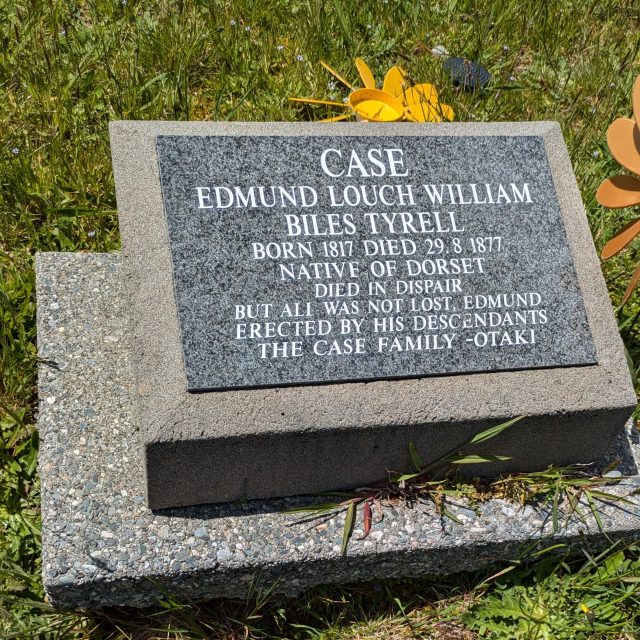
We took a walk up to the miners cemetery. It is a fair way up a steep hill. It was hard work walking up there, what it would have been like carrying a coffin I can only imagine. People died young in the gold fields, often drowning. One gravestone I found particularly poignant.

I’m not sure that this implies that he committed suicide. It is possible, that, never having found the gold he had hoped for, he turned to drink and died young as a result.

We had a decent lunch at the Empire Hotel. Afterward, we set off down SH 6 for Franz Joseph and the glacier.

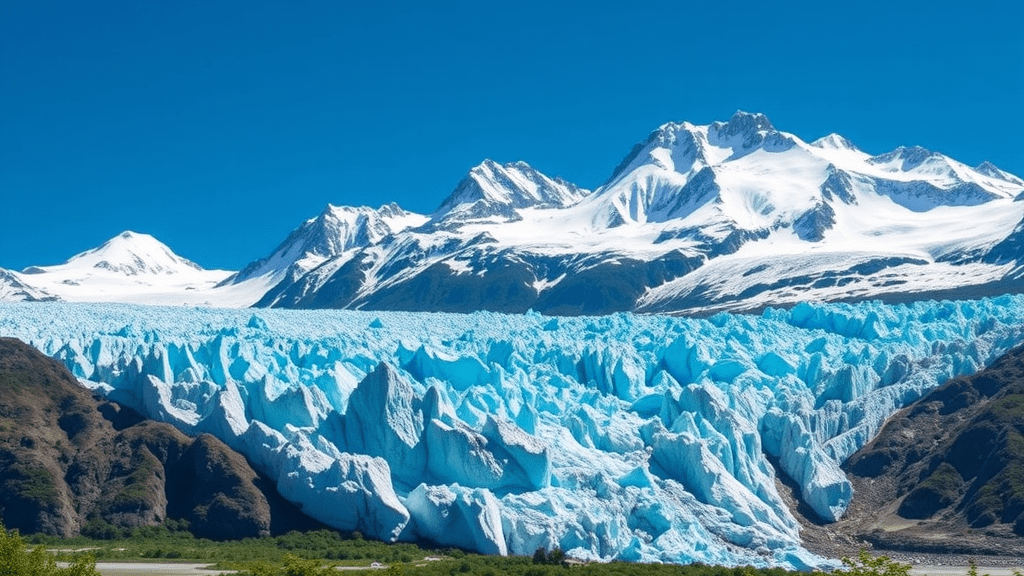
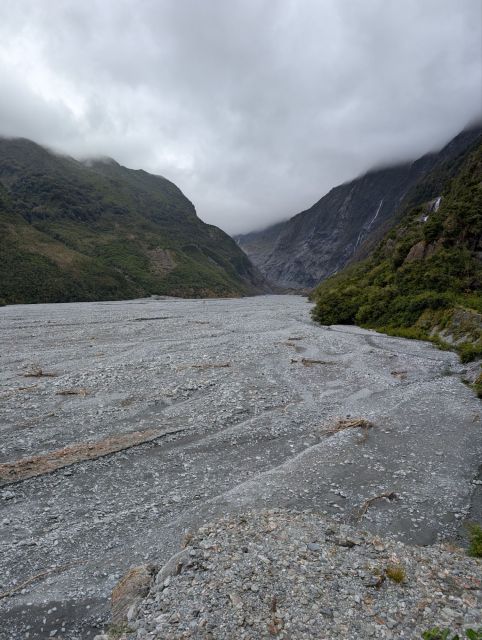
We discovered that the only way to get close up to the glacier is in a helicopter. The day we arrived in Franz Joseph, the cloud base was too low for the helicopters to fly. We settled for a walk up to see the terminal moraine. The flights start at about $280 per person, so we may have passed anyway.

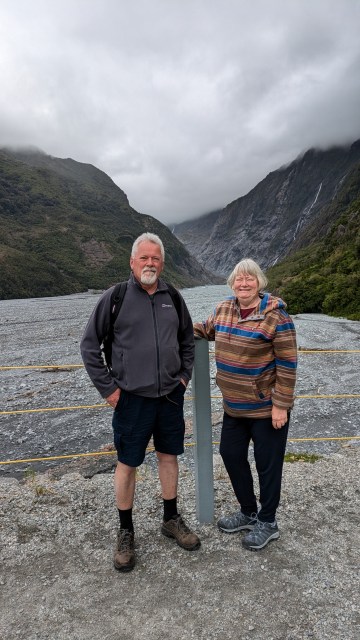
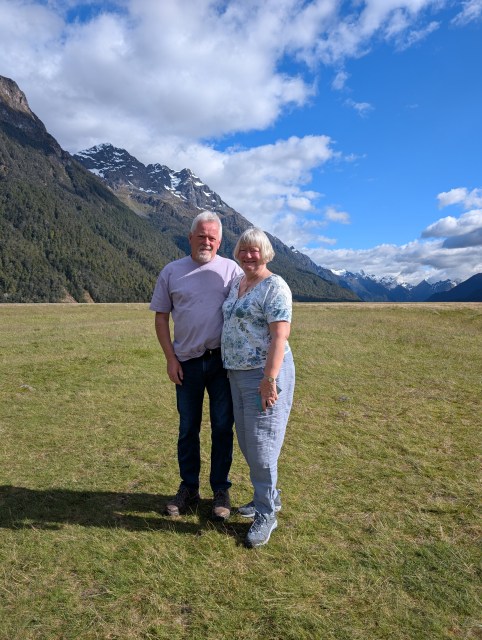
In 1908, the glacier came down to where Diane and I are standing. The table below shows what has changed since then.

YearWorld PopulationCO2 ConcentrationGlobal Average Temperature
19081,750,000,000299 ppm13.57oC
20167,450,000,000405 ppm14.87oC

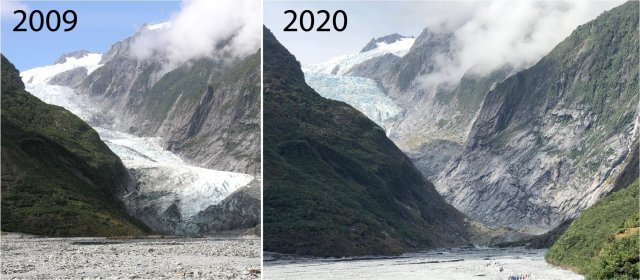
Even as recently as 2009 the glacier came much further down the valley.

Today in 2024 the glacier has retreated still further.

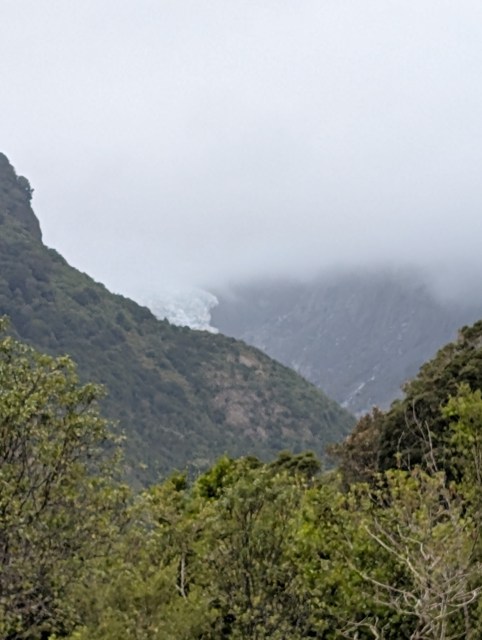
We did actually manage to see the glacier. The cloud base lifted sufficiently that we caught a glimpse of it. But it is no longer permitted to walk up the valley, beyond the point where we were photographed.

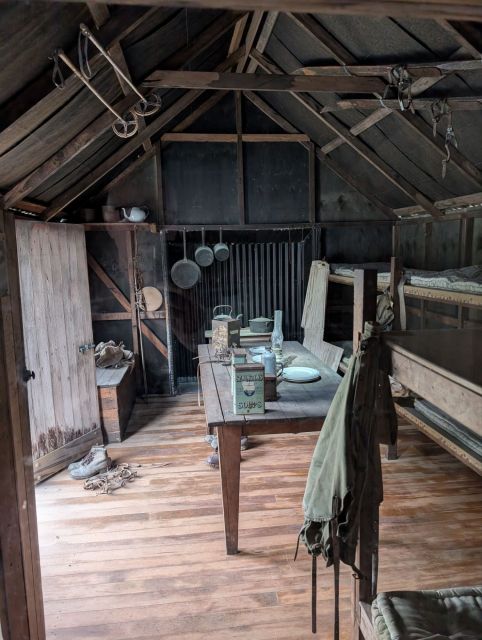
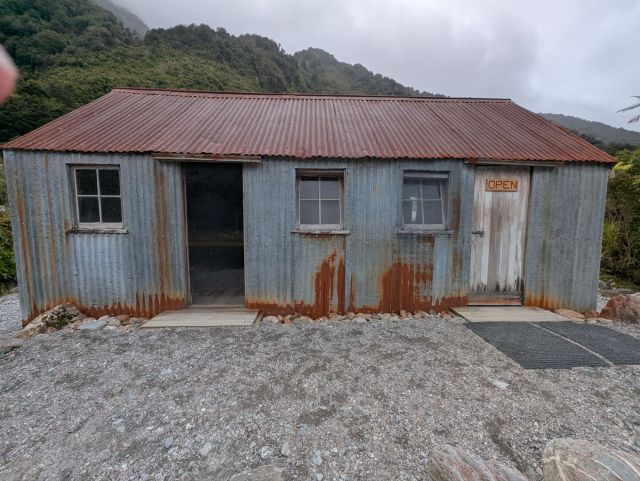
The Defiance Hut was one of the original mountaineering huts in New Zealand. It has been relocated to the Franz Joseph visitor centre. When you are already there it is worth taking ten minutes to look around. It is part of the history of the glacier and mountaineering in New Zealand.

Adventures at Buller Gorge and Pancake Rocks

Day 26 Nov 21 2024

As The Pet Shop Boys said: Go West

That was what we were gonna do. Follow the Buller River west, all the way to the Tasman Sea. We rafted down part of it yesterday. Today, we were headed for Westport and beyond.  Well, hopefully. At the time we set off, SH6 was closed just before the Haast Pass due to a land slip. Still, the indications were that it would probably be cleared by the time we got there. Otherwise, we would have to revise our plans, not that we really had a fixed plan.

We were almost delayed by a place called ‘Dust and Rust’. Diane does love a junk shop. It was “unfortunately” closed.

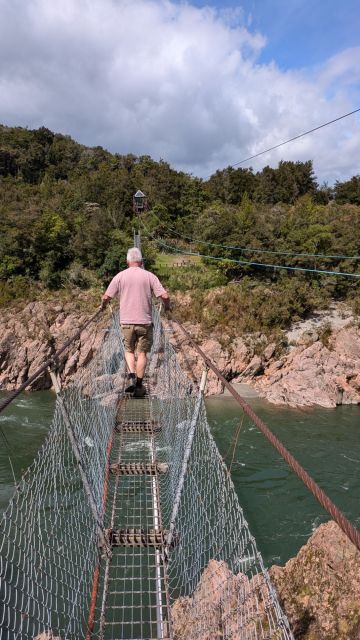
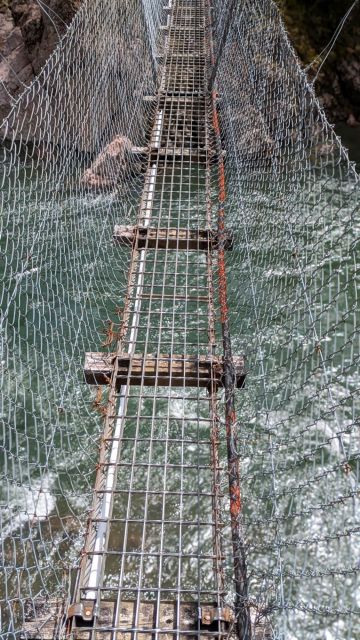
But first, we decided to visit the Buller Gorge Swing Bridge. We went under it yesterday and thought it would be good to walk over it today.  It is about 110m long and hangs 19m above the gorge. Walking across was an interesting experience. I am not too keen on heights. The walkway is open mesh.

After our swing Bridge excursion we carried on down the Buller to Westport.

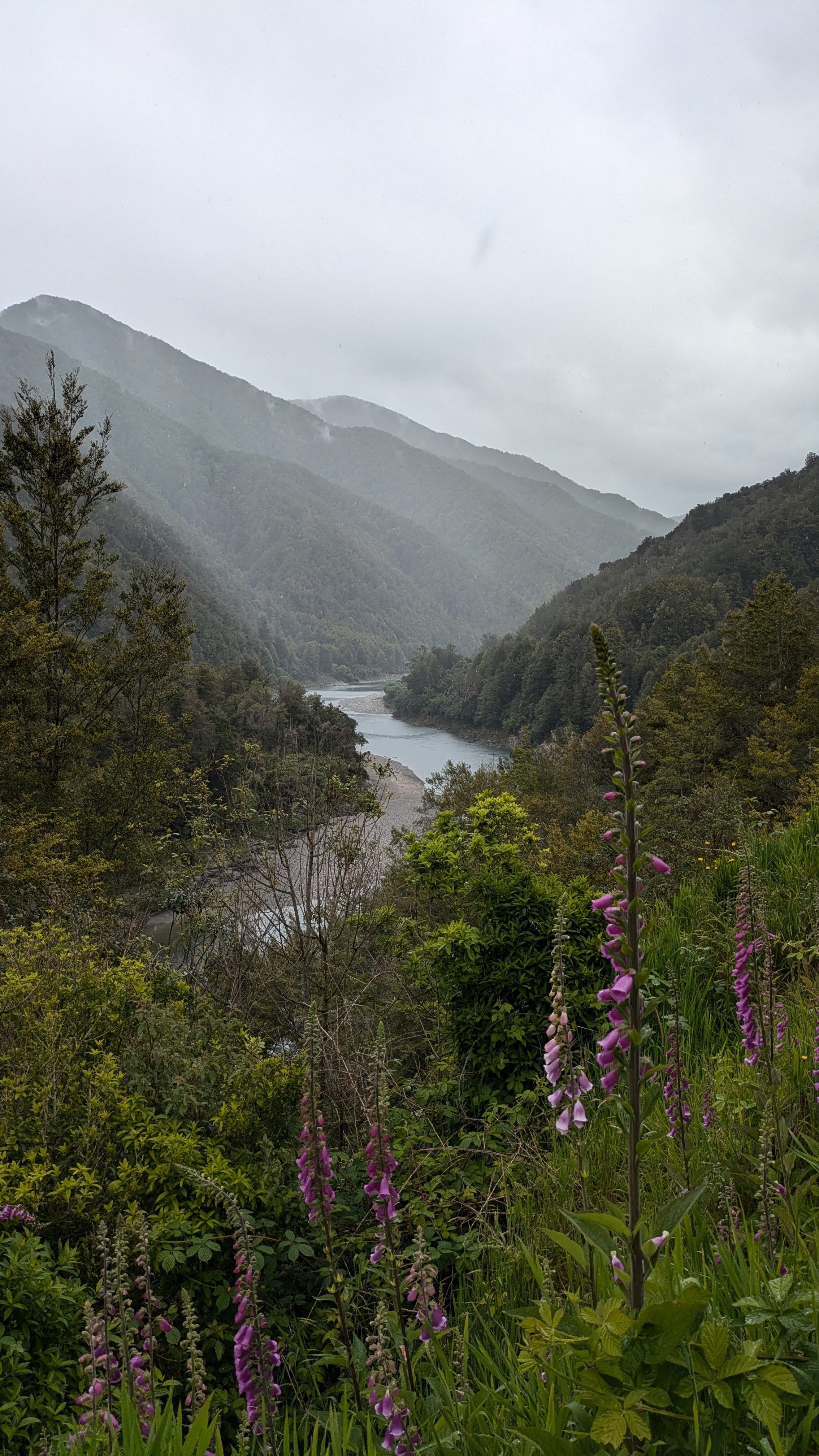
Lower Buller River

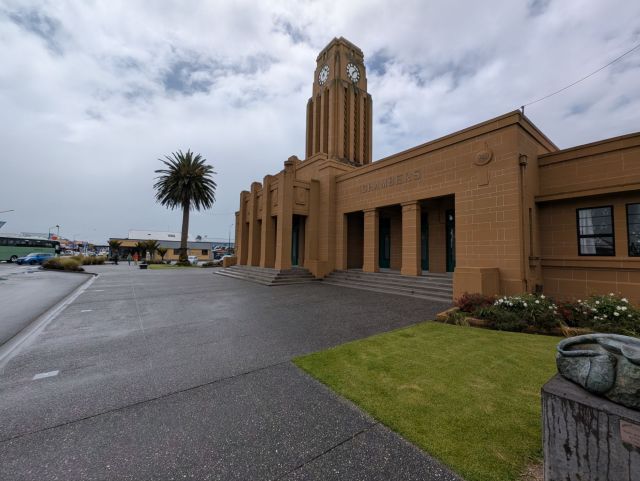
We stopped in Westport because we needed to buy groceries and have lunch. We found a couple of interesting municipal buildings

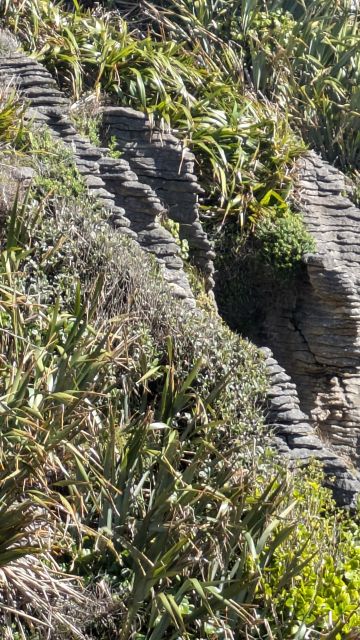
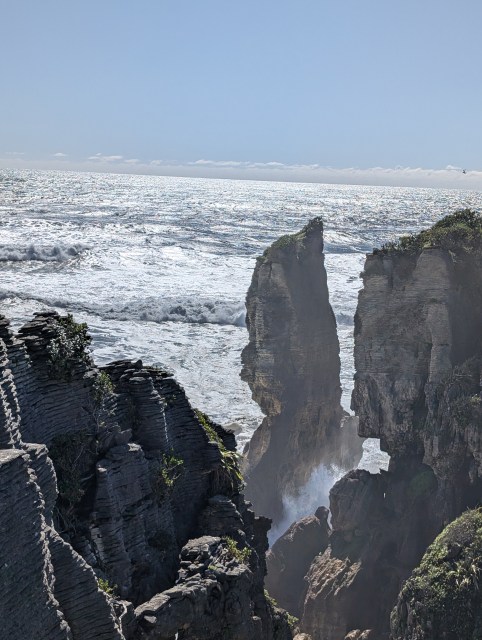
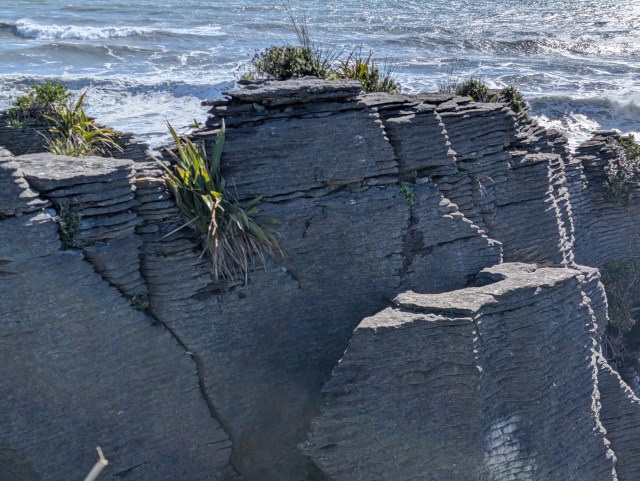
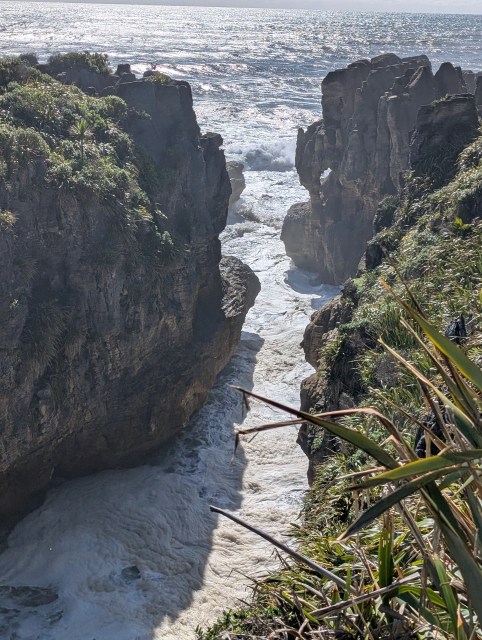
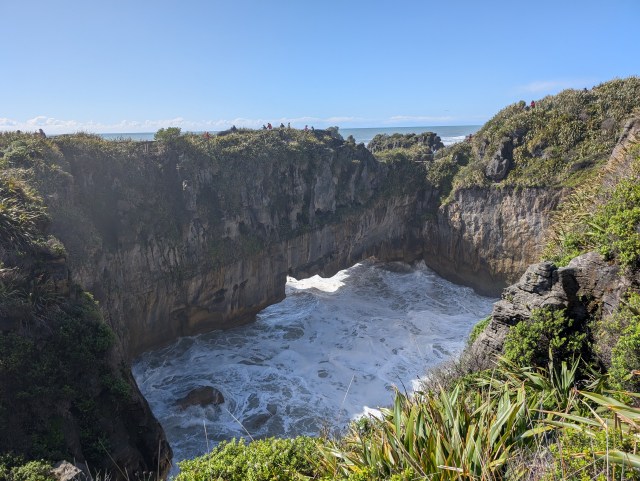
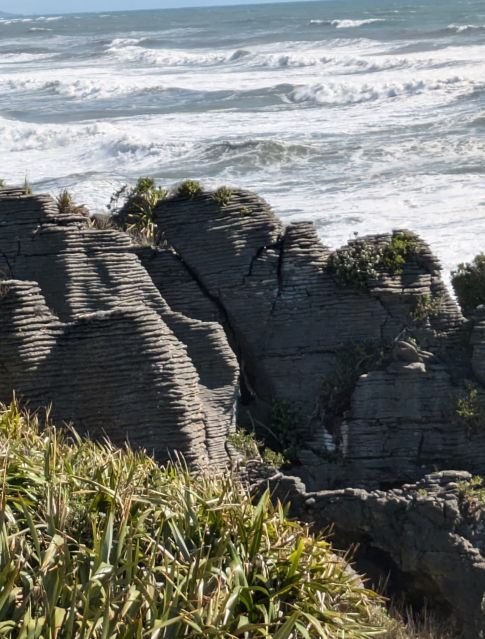
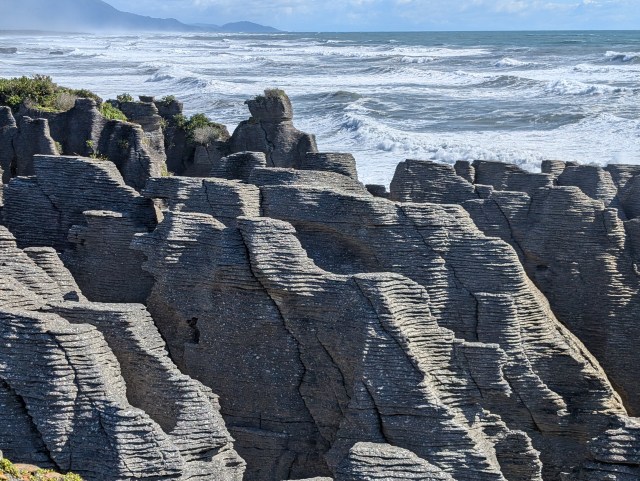
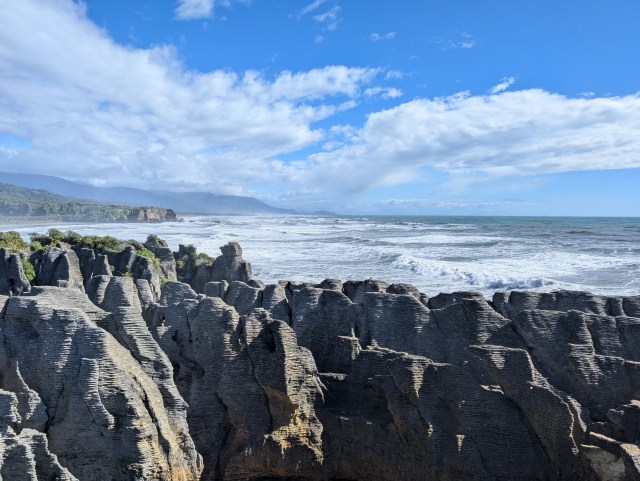
After our stop in Westport we headed south to Punakaiki and its pancake rock formations. A good explanation of the geology and the origin of the phenomenon are given in the link above. We found the rocks and the interaction with the waves fascinating.

The sea was running quite high that day which definitely added to the spectacle.

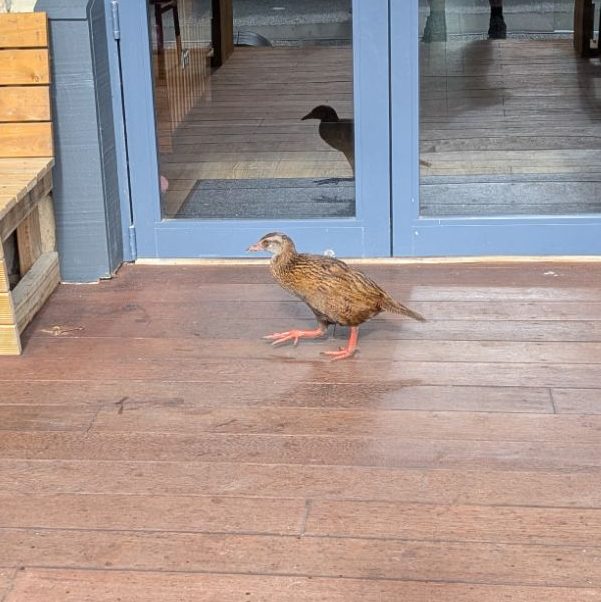
On our way back to the van we ran into a Weka.

pxl_20241121_0438497446610850382526909147

We decided to press on further south before we stopped for the night. We found a campsite in Hokotika which seemed to meet our requirements.